
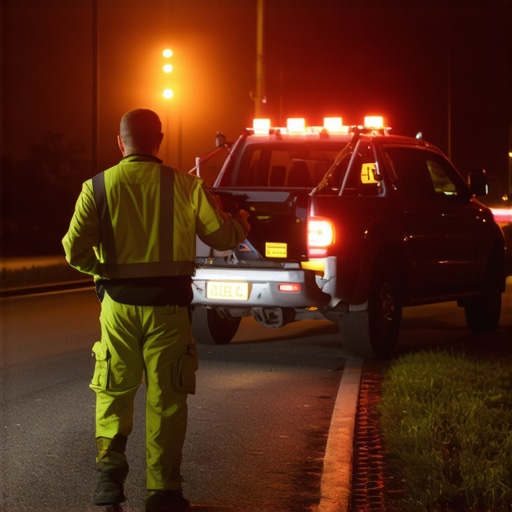
Why Calling the Closest Tow Truck Company Might Cost You More in Hidden Fees
It happens in a heartbeat. You’re driving through Elizabeth, NJ, perhaps heading down North Avenue, when your engine sputters or a tire shreds. In that moment of panic, your “emergency reflex” kicks in. You grab your phone, search for the closest tow truck company, and hit the first call button you see. As the Chairman of the Board at Elizabeth Truck Center with over 32 years of experience at our 878 North Av. location, I’ve seen this scenario play out thousands of times. Drivers assume that proximity equals speed and speed equals savings. However, that “convenience tax” can often lead to a massive bill filled with hidden fees. Choosing a closest tow truck company based solely on GPS distance rather than reputation is a gamble that rarely pays off for your wallet.
The Psychology of the Emergency Call: Why We Choose Proximity Over Quality
When you are stranded on the shoulder of a busy highway, your brain isn’t thinking about long-term financial planning; it’s thinking about safety and resolution. This psychological state often leads to what we call “panic hiring.” Because you want the situation to end as quickly as possible, the tow truck company that promises to be there in ten minutes gets the job, regardless of their fee structure or service quality.
The desire for speed often overrides the logical need for a transparent tow truck quote. Many predatory operators count on this. They know that once your vehicle is hooked to their truck, they hold the leverage. Before you make that frantic call, it is worth taking a breath. If your car isn’t in immediate danger, you might save hundreds of dollars by spending five minutes researching a reputable provider. Understanding the basics of your vehicle’s needs – such as Troubleshooting Common Auto Repair Issues Before Visiting the Shop – can also help you determine if you even need a tow or just a simple roadside fix.
The “Closest” vs. “Best” Debate: Hidden Costs of Proximity
Just because a local tow truck is two miles away doesn’t mean they are the most affordable tow truck option. In fact, proximity can be a mask for inefficiency or predatory pricing. In my three decades in the Elizabeth towing industry, I have seen the evolution of “chaser” trucks and companies that thrive on high-turnover, high-fee models.
Consider a recent case study from Yelp research regarding a “Highway Service” operator in the Elizabeth area. A customer was shocked to find they were charged $304 for just two days of towing and storage after a minor breakdown. Why? Because they called the first name on the list without asking for a breakdown of costs.
The two primary components of a bill are the “Hook Fee” and the “Mileage Fee.” A tow trucks near you might offer a low hook fee to get you to agree, but then charge an exorbitant per-mile rate or, worse, insist on towing your vehicle to their own impound lot rather than your preferred mechanic. This is where the costs spiral. A company further away might have a higher hook fee but a much more reasonable total package, especially if they are a reputable tow truck company that values repeat business over one-time predatory gains.
Common Hidden Fees in the Towing Industry
To avoid being overcharged, you must understand the terminology used in the industry. Many drivers don’t realize that the initial tow truck quote they receive over the phone might only cover the “hook.” Here are the most common hidden fees to watch out for:
- Storage Fees: If your car is taken to a storage yard, you will be charged daily rates. These rates often trigger the moment the car crosses the gate, meaning 10 minutes of storage can cost you a full day’s fee.
- Special Equipment Fees: If you have an AWD vehicle or a luxury car, you likely need flatbed towing. Some companies will arrive with a standard wheel-lift truck and then charge an “upgrade” fee on the spot or, worse, use the wrong equipment and damage your drivetrain.
- After-Hours Surcharges: If you need 24 hrs towing, be prepared for “night” or “weekend” premiums. While these are standard, they should be disclosed upfront.
- Winching and Recovery: If your car is in a ditch or off the pavement, you’ll need an off-road towing service. This involves “line feet” charges – fees for every foot of cable used to pull your car back to the road.
Always clarify if the price includes the “drop” fee and if there are additional costs for a flat tire tow truck service where extra labor is involved.
Specialized Towing: When One Size Doesn’t Fit All
One of the biggest mistakes I see is owners of specialized vehicles calling the closest tow truck company without verifying their equipment. This is especially true for motorcycle towing. A standard tow truck is not equipped to safely transport a bike. It requires specific cradles, soft-straps, and a steady hand to ensure the bike doesn’t tip or suffer frame damage.
Calling the “closest guy” often results in a operator arriving with a standard hook-and-chain truck, claiming “I can make it work.” As a consumer advocate, I’m telling you: never let them “make it work.” The cost of repairing a bent motorcycle frame or a cracked fairing far outweighs the $50 you might save by not calling a specialized professional. The same applies to high-end sports cars that require low-clearance flatbed towing to avoid ripping off the front bumper. Always specify your vehicle type when requesting a quote.
Understanding New Jersey Towing Regulations
New Jersey has some of the strictest towing regulations in the country to protect consumers, but they only work if you know your rights. In towing elizabeth, companies must adhere to both state-level laws, like the Predatory Towing Prevention Act, and local municipal ordinances.
For instance, the Elizabeth, NJ Towing ordinances require that legitimate companies have visible markings, including their business name and address, on the vehicle. They must also possess a valid mercantile license. Recently, there have been state-level crackdowns on predatory practices, similar to the ordinances seen in Phillipsburg, which cap the fees companies can charge for basic tows and storage.
If a local tow truck refuses to show you a rate card or doesn’t have a physical address in the area (like our established presence at Elizabeth Truck Center), that is a major red flag. Legitimate operators are proud of their licenses and transparent about their pricing because they have nothing to hide.
How to Vet a Towing Company in 60 Seconds
You don’t need an hour to find a good company; you just need to ask the right questions. Before you let them hook your car, ask these four questions:
- “What is the total hook fee AND the price per mile?”
- “Are there any ‘special equipment’ fees for my specific vehicle type?”
- “Do you accept credit cards on-site, and will I receive a printed, itemized receipt?”
- “Is there a daily storage cap if the car goes to your yard?”
If the dispatcher is vague or says, “The driver will figure it out when he gets there,” hang up. You are about to be overcharged. This level of scrutiny is similar to how you should vet other automotive professionals; for more on that, read The honest way to tell if your mechanic is overcharging you. A professional company will give you a clear, binding tow truck quote over the phone.
Conclusion: Prioritizing Transparency Over Proximity
In the world of automotive recovery, the “closest” option is rarely the best one. An affordable tow truck is defined not by how near it is to your breakdown, but by the transparency of its pricing and the quality of its equipment. By taking a moment to vet your service provider, you avoid the hidden fees that turn a minor mechanical inconvenience into a financial nightmare.
Don’t wait for an emergency to find a partner you can trust. Save a reliable number like activatetowing.com in your phone today. Whether you need an off-road towing service or just a quick jumpstart, knowing who to call before the smoke starts pouring out of the hood is the best way to keep your costs down and your car safe. Remember, at Elizabeth Truck Center, we’ve spent 32 years advocating for the driver – make sure you’re doing the same for yourself.