
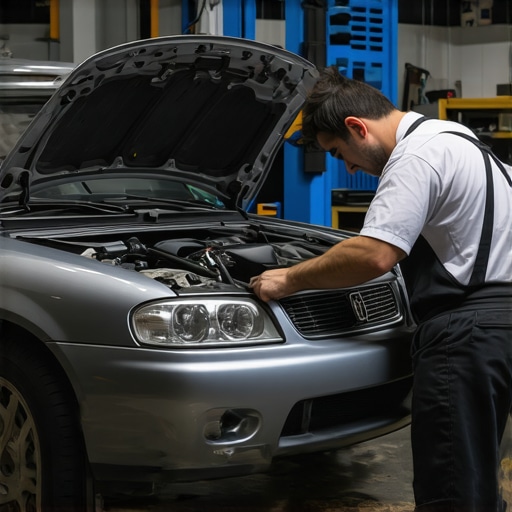
Ever had that sinking feeling when your car sputters or refuses to start just when you need it the most? I remember the first time my car broke down unexpectedly—right before a big family trip. It was a wake-up call that made me realize how neglecting regular maintenance can turn a smooth ride into a stressful ordeal. Since then, I’ve learned that a little effort and know-how can go a long way in keeping your vehicle reliable and performing at its best.
Why Proper Car Maintenance Matters More Than Ever
In today’s busy world, our cars aren’t just transportation—they’re trusted companions. When your vehicle runs smoothly, you save money, avoid breakdowns, and most importantly, stay safe on the road. Neglecting routine tune-ups and brake services can lead to costly repairs down the line or worse, dangerous situations. Did you know that regular brake maintenance can reduce the risk of accidents by up to 70%? (Source: GlassFixAuto) So, if you’re like me, you might have ignored that squealing noise or the warning light flickering on your dashboard. I used to think these were minor issues, but they often signal bigger problems brewing underneath.
Is Skipping Routine Tune-Ups Still Justifiable?
Early on, I made the mistake of thinking I could stretch out my car’s service intervals to save a few bucks. Big mistake. Ignoring regular tune-ups and brake inspections isn’t just risky—it’s costly in the long run. A trusted auto repair shop can identify potential issues before they escalate, saving you money and stress. If you want to learn about the best strategies, check out these expert tips for lasting vehicle performance. Starting with regular maintenance isn’t just about longevity; it’s about peace of mind.
Now, let’s get into the practical steps you can take today to ensure your car stays reliable, safe, and ready to hit the road whenever you are. Are you ready to avoid the breakdowns and costly repairs that plague many drivers? Let’s dive in.
Get Your Hands Dirty: Step-by-Step Car Maintenance
When I first decided to learn basic car maintenance, I started small. One Saturday, I grabbed a wrench, a new oil filter, and a friend’s advice, and took my car for a routine oil change. It was messy, oil splattered everywhere, but the moment I finished, I felt a surge of confidence. Here’s how you can replicate that success with your vehicle.
Check and Replace Fluids Regularly
Fluids are the lifeblood of your car, much like blood in your body. Regularly inspecting oil, brake fluid, coolant, and transmission fluid prevents breakdowns. For example, I once ignored my brake fluid level, which led to a spongy brake pedal during a trip. After topping it off and flushing the old fluid, braking felt crisp again. Use a simple dipstick or reservoir window to check levels, and replace fluids according to your vehicle’s schedule. Consult your owner’s manual or trusted resources like these expert tips for detailed guidance.
Inspect and Replace Your Filters
Filters trap dirt and debris that can damage engine components. I learned this the hard way when I neglected my air filter, which caused my engine to sputter and lose power. Replacing filters is straightforward—remove the old one, insert a new filter, and secure it. This simple step can boost your car’s efficiency and lifespan.
Evaluate Tire Condition and Pressure
Think of tires as your vehicle’s shoes. Worn or under-inflated tires compromise safety and fuel economy. I once missed a tire rotation and ended up with uneven wear, leading to a dangerous blowout. Regularly check tread depth and pressure, especially before long trips. Use a reliable tire gauge, and ensure tires are inflated to the manufacturer’s recommended PSI—information you can find in your manual or on the door jamb. Properly maintained tires not only last longer but also improve handling and safety.
Perform Routine Brake Checks and Service
Brakes are your primary safety feature. I once ignored a squealing noise until it worsened into a grinding sound. A quick visit to the mechanic revealed worn brake pads and low brake fluid. Regular brake inspections can prevent accidents and costly repairs. During service, a technician will check pad thickness, rotor condition, and fluid levels. Don’t wait for warning lights; schedule trusted brake service to stay safe.
Schedule Professional Tune-Ups
While DIY checks are vital, professional tune-ups catch what you might miss. Mechanics perform comprehensive diagnostics, replace spark plugs, and fine-tune engine settings. I once took my car in for a tune-up after noticing sluggish acceleration; the mechanic adjusted the timing, and my car ran like new. Regular tune-ups extend engine life and improve performance. Use trusted shops and stay on schedule, as recommended in these expert strategies.
Keep Records of All Maintenance
Maintaining a detailed log of repairs and services helps you stay on top of your car’s needs. I started my log after a major repair, which made it easier to track when next services were due. Digital apps or simple notebooks work well. This habit ensures you don’t overlook critical maintenance, saving money and preventing breakdowns.
Consistent, proactive care transforms your vehicle from a ticking time bomb into a reliable partner. Remember, each step is a small investment that pays off in safety, savings, and peace of mind. Stay vigilant, follow these practical tips, and your car will serve you well for years to come.
Many car owners operate under misconceptions that can lead to costly mistakes and even compromise safety. As an auto repair enthusiast with years of hands-on experience, I’ve uncovered some of the most overlooked nuances that differentiate a basic tune-up from truly effective maintenance. Let’s dig deeper into what most people get wrong about car service, brake repair, and auto repairs in general.
Why Following the Crowd Can Backfire in Car Maintenance
One widespread myth is that you can stretch out your service intervals without consequences. While some believe that delaying oil changes or brake inspections saves money, in reality, this approach often results in more expensive repairs down the line. Regular preventative maintenance, such as trusted brake service and routine tune-ups, catches small issues before they escalate. Skipping these steps might seem cost-effective initially, but the costs of repairs and safety risks can skyrocket if you ignore signs of wear or neglect scheduled checks.
Beware of the Hidden Trap: Over-reliance on Warning Lights
Many drivers rely solely on dashboard warning lights to indicate problems. While these alerts are crucial, they don’t tell the full story. For instance, a warning light might not activate until a problem becomes severe, leaving you vulnerable. Regular inspections and proactive maintenance are essential to detect issues like brake pad wear or fluid leaks early. This proactive approach is especially vital because studies, such as those referenced in auto repair strategies, confirm that early intervention significantly extends vehicle lifespan and safety.
What Advanced Car Owners Should Know About Brake System Nuances
For the experienced, understanding that not all brake issues are visible is key. For example, brake rotors can develop subtle warping that affects stopping power without obvious signs. Relying solely on brake pad thickness can be misleading; sometimes, the rotors or calipers need attention too. Regular brake system tune-ups should include checking for uneven wear, fluid condition, and hardware integrity. Overlooking these details can lead to dangerous brake failure, especially during emergency stops.
Another nuance is that not all brake noises indicate the same issue. Squealing might be from worn pads, but grinding could signal rotor damage or caliper issues. An expert inspection can uncover these hidden problems before they cause safety hazards or expensive repairs. Remember, as highlighted in these strategies, detailed diagnostics are crucial for reliable and safe braking performance.
Have you ever fallen into this trap? Let me know in the comments. The key to lasting vehicle trust lies in understanding these nuances and avoiding common pitfalls. By shifting from reactive fixes to proactive maintenance, you ensure your car remains dependable, safe, and cost-efficient for years to come.
How do I maintain my vehicle over time
Keeping your car running smoothly isn’t just about a quick oil change every few months. It involves using the right tools and adopting effective methods that ensure long-term reliability and safety. Personally, I swear by a quality digital multimeter for monitoring electrical systems and a professional-grade scan tool to diagnose persistent issues before they become costly repairs. These tools help me identify problems early, saving time and money. For example, a good scan tool can reveal hidden fault codes that might not trigger warning lights but could affect your engine’s performance. Investing in reliable equipment like the best diagnostic tools allows you to maintain your vehicle proactively. In the future, I believe automotive diagnostics will become even more integrated with AI and IoT devices, providing real-time health reports directly to my phone. This trend will empower drivers to perform maintenance with greater precision and confidence.
Tools I rely on for brake service and tune-ups
When it comes to brake service, I always carry a set of high-quality brake caliper piston tools and a digital brake rotor gauge. The caliper piston tool makes reassembly smoother, especially when replacing pads on modern, multi-piston calipers. The rotor gauge ensures I catch any warping early, preventing uneven wear and potential safety hazards. For routine tune-ups, I prefer a spark plug socket with a built-in extension and a torque wrench calibrated to my vehicle’s specifications. These tools help me achieve the perfect tightness, avoiding damage or under-tightening that can lead to failures. I also use a trusted automotive software platform like auto repair software for scheduling, record-keeping, and diagnostics, which keeps my maintenance organized and efficient. As technology advances, I anticipate that augmented reality (AR) apps will guide DIYers through complex repairs, making professional-grade maintenance accessible to everyone.
Why proper tools matter for long-term results
Using the right equipment isn’t just about making the job easier; it directly impacts your car’s longevity. For example, affordable tools might work temporarily but can cause damage or inaccuracies that lead to more repairs later. I learned this the hard way when a cheap torque wrench slipped during a critical bolt tightening, resulting in a costly repair. Now, I invest in well-reviewed, durable tools that last for years, like those from Snap-on or Craftsman. Regularly calibrating these tools ensures consistent results, especially for critical tasks like brake rotor replacement or adjusting engine timing. Looking ahead, I see a future where smart tools will communicate with your vehicle’s onboard computer, providing instant feedback and ensuring every service is done to manufacturer standards. This evolution will make DIY maintenance safer and more reliable.
Try this advanced tip today
One powerful tip is to incorporate a thermal camera into your routine checks. A thermal camera can detect uneven heat distribution in brake rotors or engine components, revealing issues invisible to the naked eye. For example, hot spots on rotors often indicate warping or caliper sticking, which can lead to premature failure. Using a thermal camera regularly can prevent breakdowns and extend the life of critical parts. I recommend the FLIR ONE thermal camera; it’s compact, affordable, and connects easily to your smartphone. Start using this tool today, and you’ll gain a new level of insight into your vehicle’s health—making your maintenance routine smarter and more effective.
The Hardest Lesson I Learned About car service,tune up,brake service,auto repair
One of my biggest lightbulb moments was realizing that skipping routine maintenance might save a few bucks now but costs much more later. Regularly checking fluids, filters, and brakes isn’t just about keeping your car running—it’s about avoiding those costly surprises that can leave you stranded or facing dangerous situations. Trust me, investing in consistent care pays off in peace of mind and vehicle longevity.
My Essential Toolkit for car service,tune up,brake service,auto repair
I rely heavily on a quality digital multimeter and a professional-grade scan tool. These tools help me catch electrical glitches and hidden engine issues early. Trusted brands like Snap-on or Bosch provide reliable diagnostics that save me from guesswork. As technology advances, I believe integrating smart diagnostic tools with IoT devices will make DIY maintenance even smarter, giving every driver the power to keep their vehicle in top shape.
Why 60Hz Just Isn’t Enough for Gaming
Applying that same mindset to car maintenance, using the right tools and knowledge is crucial. Cheap or outdated equipment might get the job done temporarily but risks causing damage or inaccuracies that lead to more repairs. Investing in durable, calibrated tools ensures your work is precise, which extends your vehicle’s life and safety. Future innovations like AR-guided repairs will make complex tasks more accessible, but starting with quality tools now is essential.
Don’t Dismiss Small Signs: The Hidden Power of Proactive Care
Ignoring minor squeaks, warning lights, or uneven tire wear often leads to bigger problems. Regular inspections and early intervention, like trusted brake service, can prevent accidents and costly repairs. Remember, it’s the small details—the subtle warping of a rotor or a slight fluid leak—that tell the true story of your car’s health. Staying attentive transforms reactive fixes into proactive maintenance, ensuring your vehicle’s trustworthiness.
Your Turn to Try
Taking control of your vehicle’s health might seem daunting at first, but the payoff is worth it. Start with simple checks, invest in good tools, and don’t hesitate to seek professional advice when needed. Your car is more than just a machine; it’s a trusted partner on your journey. What’s the first maintenance step you plan to tackle today? Share your thoughts below!
Reading through this comprehensive guide really resonated with me, especially the part about checking and replacing fluids regularly. I used to overlook coolant and transmission fluid, thinking they could last forever, but experienced a rough shift and overheating during a summer trip. It was a clear wake-up call that routine maintenance is vital. I also appreciate the emphasis on tools; investing in quality diagnostic equipment, like a good scan tool, has helped me catch potential issues early before they become costly repairs. I wonder, as technology advances, how soon we might see more AI-powered diagnostic tools becoming standard for DIY enthusiasts? Has anyone tried incorporating smart tech into their routine maintenance yet? Overall, this article encourages proactive care, which I believe not only extends vehicle life but also keeps us safe on the road.
This post really hits the importance of routine maintenance right on the nose. I remember the first time I caught a minor leak early because I was diligent about checking fluid levels. That small act saved me from a much bigger issue down the line, like a costly transmission or cooling system repair. It made me think, how many drivers overlook these simple checks because they seem insignificant or time-consuming? Honestly, I’ve found that setting monthly reminders helps me stay on top of fluid checks, tire pressure, and filter replacements. Also, I’m curious about others’ experience with DIY brake repairs—what pitfalls should I watch out for to avoid any safety risks? I believe investing in good tools not only saves money but also makes maintaining the car feel more manageable. This post underscores that proactive care pays off in the long run, and I’d love to hear more tips from fellow owners who’ve made maintenance a habit rather than a chore.