
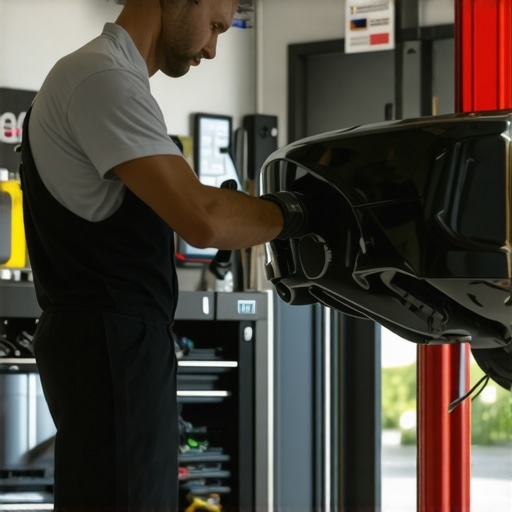
Ever been stranded on the side of the road, cursing your car, wishing you had paid more attention to its needs? I remember my own wake-up call vividly. My old sedan, once a trusty companion, suddenly sputtered and refused to start on a freezing winter morning. Turns out, neglecting a proper tune-up and brake check had silently taken a toll. That moment hit me hard — I realized that routine maintenance isn’t just about avoiding breakdowns; it’s about ensuring safety, saving money, and maintaining confidence in my vehicle.
Why Your Car Deserves More Than Just a Quick Fix
For years, I thought of car maintenance as a chore, something to be done only when problems arose. But the truth is, regular tune-ups and brake services are the backbone of a reliable ride. They help prevent costly repairs down the line and keep your vehicle performing at its best. Plus, a well-maintained car is safer — think better braking, smoother acceleration, and fewer surprises on the road. Did you know that according to the Auto Care Association, regular auto maintenance can extend your vehicle’s lifespan by up to 50%? That’s a number that truly makes you rethink skipping those routine visits.
Is Car Maintenance Really Worth the Hype?
Honestly, I used to dismiss the idea that a few oil changes or brake checks could make a difference. My early mistake was ignoring the manufacturer’s recommended schedule, thinking I could stretch intervals to save a buck. That was a costly mistake. In fact, neglecting simple tune-up steps can lead to uneven wear, reduced fuel efficiency, and even dangerous brake failures. If you’re skeptical, I get it — I was too. But I’ve learned that proactive care isn’t just a marketing ploy; it’s a proven way to keep your car trustworthy and safe. Want to learn the essential steps that have saved me from breakdowns and costly repairs? Check out these expert tips for lasting vehicle performance.
Now, let’s dive into the practical strategies you can start applying today to boost your car’s reliability and confidence on the road. Ready to take control of your vehicle’s health? Let’s go!
Perform a Comprehensive Inspection
Start by thoroughly inspecting your vehicle, focusing on critical components like the engine, brakes, tires, and fluid levels. I once caught a worn serpentine belt early during a routine check, saving myself from a sudden breakdown. Use a flashlight and a mirror if needed, and consult your owner’s manual for specific inspection points. Regularly checking these parts prevents unexpected failures and extends your car’s lifespan.
Check and Replace Fluids
Fluids are like blood for your car; they keep everything running smoothly. Drain and replace engine oil, transmission fluid, brake fluid, and coolant according to the manufacturer’s schedule. I remember the time I neglected to change my brake fluid; it caused a soft brake pedal that could have been dangerous. Follow the guidelines on these tips to avoid similar issues and ensure optimal performance.
Adjust and Replace Critical Parts
Next, focus on parts that wear out over time, like spark plugs, air filters, and brake pads. I once replaced my spark plugs myself after watching a quick tutorial; the car ran smoother instantly. Use quality replacement parts compatible with your vehicle, and always follow the torque specifications. This proactive approach keeps your engine firing efficiently and your brakes responsive.
Align and Balance Wheels
Misaligned wheels cause uneven tire wear and poor handling. I experienced this firsthand when my steering felt off; a quick alignment fixed it and saved my tires. Regularly check tire pressure and have your wheels balanced during routine service. Proper alignment not only improves safety but also helps your tires last longer.
Optimize Brake System Performance
Brakes are your primary safety feature. Bleed the brake lines to remove air bubbles, inspect brake pads for wear, and replace them if necessary. I once ignored squeaking brakes, only to have the rotor warp later; a timely brake service avoided a costly repair. For detailed procedures, check these trusted strategies. Consistent brake maintenance ensures your vehicle stops reliably every time.
Test Drive and Confirm Repairs
After completing maintenance, take a test drive to verify everything works correctly. Listen for unusual sounds, feel for smooth acceleration, and check that the brakes respond well. I once missed a loose caliper bolt, which I caught during a test drive—tightening it immediately prevented further issues. This final step confirms that your efforts have paid off and your vehicle is ready for the road.
Document and Schedule Next Service
Keep a maintenance log to track what has been done and when the next service is due. Use a calendar reminder or a dedicated app to stay on schedule. I learned this the hard way when I missed my oil change, leading to engine sludge. Staying organized ensures your car remains trustworthy and safe over the long term, and you can refer to these expert tips for ongoing care.
Many car owners operate under misconceptions that can lead to overlooked maintenance or unnecessary expenses. Let’s examine some of the most prevalent myths and clarify what truly matters for reliable auto care.
Myth: Waiting for Warning Lights Means It’s Too Late
One widespread misconception is that you should only seek service when your dashboard lights turn on. In reality, warning lights often come after minor issues have already begun, but catching problems early through regular inspections can prevent costly repairs. For example, a subtle decline in brake performance might not trigger a warning light but can be detected through routine brake checks. Skipping these checkups often results in sudden failures that could have been avoided. To get ahead of such issues, consider proactive maintenance strategies like these expert tips for ongoing vehicle health.
Why Most People Overlook the Nuances of Brake Maintenance
Many believe brake pads simply wear out and need replacing, but the real story is more nuanced. The quality of brake components, driving habits, and even climate influence brake system longevity. For instance, aggressive braking or frequent stop-and-go traffic can accelerate wear, but neglecting to bleed brake lines or check fluid levels can cause uneven pad wear or brake fade. A common mistake is assuming that squeaking always means pads are worn out; sometimes, it’s just dirt or moisture. However, relying solely on noise as an indicator can be dangerous. Regularly reviewing these proven strategies can help you maintain safe, dependable brakes.
What Advanced Car Owners Need to Know About Fluid Maintenance
Many enthusiasts think that checking fluid levels once a year suffices, but this is a mistake. Different fluids degrade at different rates, and some, like transmission or brake fluid, can absorb moisture over time, reducing their effectiveness. An overlooked nuance is that low or contaminated fluids can cause subtle performance issues—like rough shifting or braking softness—that are difficult to diagnose without proper testing. Experts recommend following manufacturer schedules and considering these advanced maintenance tips for optimal safety and performance. Regular fluid analysis can prevent catastrophic failures.
Have you ever fallen into this trap? Let me know in the comments. Staying informed about these hidden nuances ensures your vehicle remains trustworthy and safe for years to come. Remember, proactive care beats reactive repairs every time.
Keeping your vehicle in top shape over the years requires more than just basic knowledge—investing in the right tools and adopting proven methods can make all the difference. As someone passionate about auto repair, I’ve tested and relied on specific equipment that consistently delivers professional results, even for DIY enthusiasts. Let’s explore these tools and strategies that will help you maintain your car’s performance and safety for the long haul.
Invest in Quality Diagnostic Equipment
One of the smartest investments I made was a reliable automotive code reader and scanner, like the BlueDriver Bluetooth Pro. This device connects seamlessly to my smartphone, instantly diagnosing engine issues, sensor malfunctions, or error codes. Unlike generic scanners, this tool provides detailed reports that help me understand the root cause before proceeding with repairs. As vehicle technology advances, having a diagnostic tool that keeps pace ensures you won’t miss subtle warning signs. For comprehensive diagnostics, I also use software like Autel, which offers updates and features for advanced troubleshooting. Regular scans prevent small problems from escalating, saving money and time.
Use Precision Torque Wrenches for Consistency
When replacing critical components like brake rotors or spark plugs, applying the correct torque is crucial. I rely on a high-quality digital torque wrench from Gearwrench. It guarantees that I tighten bolts to manufacturer specifications, preventing over-tightening or under-tightening—both of which can cause damage or safety issues. Investing in a torque wrench with a digital display makes it easier to set precise values, especially when working with sensitive parts like brake calipers. This practice extends part lifespan and ensures safety, aligning with expert advice found at these trusted tips.
Adopt a Routine Maintenance Schedule with Digital Tools
Staying organized is key. I use apps like Fuelly or MyCarfax to log maintenance activities and set reminders based on mileage or time intervals. These tools help me track oil changes, fluid replacements, and inspections, ensuring I stay ahead of issues. In the future, I predict the trend toward integrated vehicle health monitoring systems that sync with your smartphone, providing real-time alerts for wear and tear. Until then, manual logging and alerts remain invaluable for long-term reliability.
How Do I Maintain Equipment Over Time
To ensure your tools remain accurate and reliable, regular calibration and proper storage are essential. For instance, torque wrenches should be recalibrated annually—many manufacturers or specialized service centers offer this. Store your tools in a dry, organized space to prevent corrosion and damage. Also, keep software and firmware for diagnostic devices up-to-date, which is vital as vehicle systems evolve. Maintaining your tools properly guarantees consistent, professional-quality work, ultimately prolonging your vehicle’s lifespan.
Ready to upgrade your maintenance game? Try integrating a digital torque wrench into your toolkit today. It’s an investment that pays off by ensuring every bolt is tightened to perfection, preventing future failures. For more detailed strategies on building a trustworthy maintenance routine, check these expert tips.
The Hardest Lessons I Learned About Car Service and Maintenance
One of the toughest lessons I encountered was realizing that neglecting small maintenance tasks can snowball into major repairs. Early on, I ignored routine oil changes and brake checks, thinking they weren’t urgent. That oversight cost me dearly when a simple brake fluid issue turned into warped rotors and expensive repairs. The lightbulb moment? Consistent, proactive care isn’t just about saving money; it’s about safeguarding my safety and peace of mind.
3 Myths About Auto Maintenance That Held Me Back
Believing that warning lights are the final alarm kept me from inspecting my vehicle early. I thought brake pads only wore out when squealing, but I learned climate and driving habits play a huge role. Also, I used to check fluids once a year—big mistake. These misconceptions delayed my maintenance, leading to avoidable breakdowns. The key lesson? Trust expert advice and regular checkups to stay ahead of problems. For trusted guidance, I always refer to these reliable tips.
What Experts Keep Quiet About Car Trust
One thing I wish I’d known earlier is that advanced diagnostics can reveal issues before warning lights appear. Investing in a quality scanner like the BlueDriver Bluetooth Pro transformed my approach, catching problems early and saving money. Proper torque tools, like digital torque wrenches, ensure parts are secured perfectly—preventing future failures. Also, using maintenance apps helps me stay organized and on schedule. These tools might seem small, but they make a huge difference in building lasting trust with your vehicle. Discover more at these expert strategies.
Taking Control of Your Car’s Future with Smarter Care
Now, I’m more confident because I understand that consistent, informed maintenance is the real key to reliability. Whether it’s regular fluid checks, wheel alignments, or brake inspections, every step builds a foundation of trust. Don’t wait for a breakdown—start implementing these lessons today. Your car will thank you with safer, smoother drives, and you’ll enjoy the confidence that comes with knowing you’re in control. Ready to elevate your auto care routine? Your journey to lasting trust begins now—just remember, proactive maintenance beats costly surprises. Want to share your own lessons learned? Drop a comment below!”},
Reading through this post, I can’t help but agree on how essential regular maintenance is—not just for avoiding breakdowns but for prolonging the life of our vehicles. The story about catching a worn serpentine belt early really hit home; I’ve had a similar experience where a simple inspection saved me from a costly repair. It’s interesting how something as routine as fluid checks can make such a difference. I’ve always wondered, though, how often do you all recommend getting your wheel alignment checked if you’re not noticing any issues? I’ve heard it’s good to do it at least once a year or when changing tires, but I’m curious about personal experiences and best practices. Also, do you think investing in a good diagnostic scanner is worth it for the average car owner, or is it better to leave it to the pros? I’d love to hear everyone’s thoughts on staying ahead of potential problems without breaking the bank.
This post really hits home for me, especially the part about routine checks saving you from unexpected breakdowns. I remember a time when I neglected my car’s fluid levels and ended up with a sluggish transmission that cost me a pretty penny to repair. Since then, I’ve made it a point to perform regular inspections—particularly focusing on fluids and brake components. It’s surprising how many issues can be caught early with just a bit of preventive care. I do wonder, for those who haven’t faced unexpected problems yet, how often do you actually schedule these inspections? Every 6 months or just annually? Also, do any of you use diagnostic tools, and how reliable are they for the everyday car owner? I’ve been considering investing in one but worry about the complexity. Would love to hear some tips from experienced DIYers or professionals—your advice could help me refine my maintenance routine and save money long-term.