
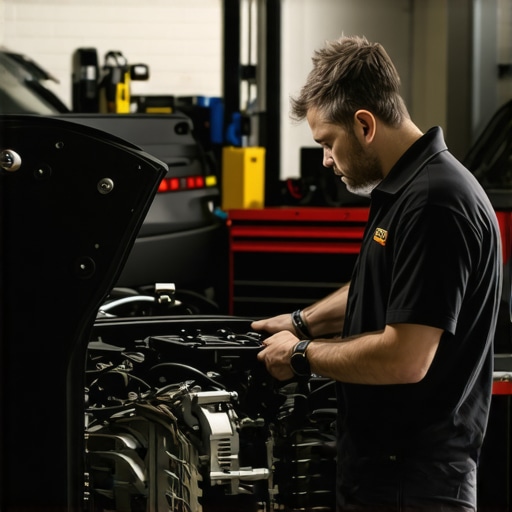
Ever had that sinking feeling when your car starts making weird noises or stalls unexpectedly? I remember the first time my car refused to start on a cold winter morning. It was a harsh wake-up call that neglecting regular maintenance can turn a smooth ride into a series of costly surprises. That moment sparked my journey into learning the best car service and tune-up practices—lessons I wish I had known sooner.
Why Proper Car Maintenance Is the Key to Reliability
Over the years, I’ve realized that consistent tune-ups and routine checkups aren’t just about avoiding breakdowns—they’re about building trust in your vehicle’s performance. When I started paying closer attention to my car’s needs, I noticed smoother acceleration, better fuel economy, and fewer unexpected repairs. It’s like giving your car a regular health check that ensures it’s always ready to hit the road without worry.
According to recent automotive studies, neglecting essential tune-ups can reduce a vehicle’s lifespan by up to 30%. That’s a staggering number, especially when you consider how much you depend on your car daily. But here’s the thing—many people still overlook simple maintenance tasks, thinking they’re unnecessary or too time-consuming. Trust me, I made that mistake early on, ignoring small signs of wear because I thought I could get away with delaying repairs. That was a costly lesson.
Have You Faced Unexpected Breakdowns That Could Have Been Prevented?
If you’re tired of those sudden breakdowns and expensive repairs, you’re not alone. The good news is, there are straightforward strategies to keep your vehicle in top shape. From regular oil changes to brake checks, each small step adds up to a big difference in your car’s reliability. Want to learn how to avoid those stressful last-minute repairs? Keep reading, because I’ll share proven tips and tricks that have worked wonders for me—and can do the same for you.
Ready to give your car the care it deserves? Let’s dive into the essential maintenance practices that will keep your vehicle running smoothly for years to come.
Inspect Your Fluids Regularly to Prevent Costly Repairs
Think of your car’s fluids as its lifeblood. Regularly checking and topping off engine oil, transmission fluid, coolant, and brake fluid is like giving your vehicle a health check. I remember a time when I neglected my coolant levels; the engine overheated on a summer trip, leading to a costly repair. To avoid this, I now set a monthly reminder to inspect all fluid levels, ensuring they are within recommended ranges. This simple habit helps prevent overheating and keeps your engine running smoothly.
Change Oil and Filters on Time for a Smooth Ride
Changing your oil as per manufacturer recommendations is crucial. It’s akin to changing your blood every few months to stay healthy. I once delayed my oil change by a thousand miles, and my engine started to sound rough. After a quick oil and filter replacement, the vehicle regained its smoothness. Use quality oils and filters, and keep a log of your changes. This proactive step reduces engine wear and improves fuel efficiency. For expert tips, check out auto repair tune-up strategies.
Replace Spark Plugs for Better Combustion
Spark plugs are like the ignition team—if they’re worn out, your engine won’t fire correctly. I learned this the hard way when my car misfired during a road trip. Replacing the spark plugs with the right gap improved power and fuel economy. Check your owner’s manual for replacement intervals, and consider upgrading to platinum or iridium plugs for longevity. This small investment yields noticeable performance gains.
Maintain Your Brakes to Ensure Safety
Brakes are your vehicle’s most critical safety feature. Regularly inspecting brake pads, rotors, and fluid prevents failures. I once ignored squeaking brakes, assuming it was just dust. That led to rotor damage and expensive repairs. Now, I follow brake maintenance tips and have them checked every 10,000 miles. Proper brake upkeep ensures responsive stopping power and peace of mind.
Check Tire Pressure and Tread for Safe Driving
Properly inflated tires improve fuel economy and handling. I used to neglect tire pressure until one cold morning when a flat almost stranded me. Now, I use a digital gauge to check pressure monthly and inspect tread depth. Replacing worn tires prevents blowouts and improves safety. Remember, under-inflated tires also wear faster, costing you more in the long run.
Schedule Professional Tune-Ups for Comprehensive Care
While DIY checks are essential, professional tune-ups catch issues you might overlook. A trusted mechanic can perform diagnostic tests, replace worn belts, and fine-tune engine settings. I once took my car for a professional tune-up, and the difference was noticeable—quieter engine, better acceleration, and improved fuel economy. Regular visits ensure your vehicle remains reliable and safe.
Keep an Eye on Battery Health
The battery is often overlooked until it fails. I learned this when my car refused to start on a cold morning. Testing the battery’s charge and cleaning terminals every six months prevents surprises. Replace aging batteries before they die, especially if they’re more than three years old. Good battery health keeps your car dependable in all weather conditions.
Use Quality Parts and Fluids for Longevity
Investing in genuine or high-quality aftermarket parts extends your vehicle’s life. Cheap replacements often lead to more frequent repairs. I once replaced my air filter with a cheap knockoff, and it clogged quickly. Switching to a reputable brand improved airflow and engine performance. Always choose parts that meet or exceed OEM standards for lasting trust and safety.
Implementing these core maintenance steps transforms your vehicle into a reliable partner on the road. Remember, consistent care isn’t just about avoiding breakdowns; it’s about building trust in your car’s performance every day. For more detailed guidance, visit auto repair tune-up tips.
Many car owners fall prey to misconceptions that can lead to costly mistakes. For example, a widespread myth is that you only need to get your brakes checked when you hear squealing sounds. In reality, brake components can wear unevenly or silently fail, leading to dangerous situations. Regular brake maintenance is essential even when no symptoms are present. Ignoring this can compromise safety and increase repair costs over time.
Another common mistake is believing that oil changes are only necessary when the oil appears dirty. However, modern synthetic oils can last longer and still benefit from scheduled changes based on your vehicle’s mileage and manufacturer guidelines. Delaying oil changes can cause engine wear and reduce efficiency. Consult trusted auto maintenance tips to stay on top of optimal oil change intervals.
Many drivers underestimate the importance of professional tune-ups. Some think that routine DIY checks are enough, but expert diagnostics can uncover hidden issues like worn belts or subtle engine misfires that are not obvious to a layperson. Investing in professional car tune-ups ensures longevity and performance that DIY methods might miss.
What Advanced Car Owners Need to Know About Maintenance
For those who want to elevate their vehicle care, understanding the nuances of system interdependence is crucial. For instance, neglecting a small coolant leak can lead to engine overheating, which then damages the head gasket—a costly repair. Regularly inspecting all fluids and components, even when the vehicle seems fine, is a proactive strategy. Studies indicate that early detection of such issues significantly reduces repair costs and extends vehicle lifespan. To master these advanced practices, review auto repair tune-up strategies designed for serious car enthusiasts. Remember, the key is not just fixing problems but preventing them before they escalate. Have you ever fallen into this trap? Let me know in the comments.
Keep It Running: Tools I Trust for Auto Maintenance
Maintaining your vehicle’s performance over time requires the right tools and a methodical approach. Personally, I rely on a combination of professional-grade equipment and smart software solutions that ensure every repair or tune-up is done efficiently and accurately. One essential tool I always keep in my garage is a high-quality digital multimeter. It helps me quickly diagnose electrical issues, such as battery health or wiring faults, saving me time and money. For brake inspections, I use a dedicated brake caliper piston tool—this makes pad replacements smoother and more precise, especially when working with stubborn components.
When it comes to fluid checks and top-offs, I prefer a precision funnel with a filter to prevent dirt from entering reservoirs. For oil changes, I use a magnetic drain plug to catch metal shavings, which can indicate engine wear. This small detail has helped me catch potential issues early before they develop into costly repairs. Additionally, a good set of torque wrenches ensures I tighten bolts to manufacturer specifications, avoiding over-tightening or under-tightening, both of which can cause damage or safety risks.
On the tech side, I recommend investing in diagnostic software compatible with your vehicle. For instance, OBD-II scanners enable you to read and clear error codes, giving you insight into your car’s health without expensive trips to the mechanic. I personally use a Bluetooth-enabled scanner linked to a smartphone app, which provides real-time data on engine performance, sensor readings, and system faults. This approach allows me to monitor my vehicle continuously and address minor issues before they escalate.
How do I maintain my tools and equipment over time?
The key to long-lasting tools is proper storage, cleaning, and calibration. After each use, I clean my tools with a lint-free cloth and store them in a dedicated toolbox to prevent rust and damage. Calibration is critical—if your torque wrench or multimeter drifts, it can give inaccurate readings. I schedule regular calibration checks, either through a professional service or with calibration kits designed for specific tools. This ensures your tools remain precise, prolonging their lifespan and reliability.
Looking ahead, the trend in auto maintenance is moving toward smarter, more connected systems. From wireless diagnostic tools to AI-powered maintenance apps, the future of keeping your car in top shape looks promising. These innovations will make it easier and more affordable to perform routine maintenance yourself, reducing reliance on costly professional services. For example, advanced diagnostic platforms will soon be able to predict failures before they happen, based on data analytics and machine learning.
If you’re serious about keeping your ride reliable, I highly recommend trying out a professional-grade diagnostic scanner and integrating it into your regular maintenance routine. It’s an investment that pays off in peace of mind and long-term savings. Ready to elevate your car care? Start with a quality digital multimeter or an OBD-II scanner and experience the difference firsthand.
The Hardest Lesson I Learned About car service, tune-up, brake service, auto repair
One of my biggest lightbulb moments was realizing that neglecting small issues early on often leads to expensive repairs later. I once ignored a tiny oil leak, thinking it was insignificant, only to face a costly engine overhaul months later. Now I know that proactive maintenance, like regular fluid checks and timely part replacements, can prevent these surprises and keep my vehicle running smoothly.
3 Myths About car service, tune-up, brake service, auto repair That Held Me Back
- Myth: You only need to check your brakes when they squeal.
Reality: Brake components can wear silently, so regular inspections prevent dangerous failures. - Myth: Oil changes are only necessary when the oil looks dirty.
Reality: Scheduled oil changes based on mileage and manufacturer advice protect your engine’s health. - Myth: DIY checks are enough; professional tune-ups are optional.
Reality: Professional diagnostics catch hidden issues that DIY methods might miss, extending your vehicle’s lifespan.
What Experts Won’t Tell You About car service, tune-up, brake service, auto repair
Many professionals know that using high-quality parts and tools makes a difference, but they often don’t emphasize how essential regular tool maintenance is for accuracy and safety. Properly calibrated torque wrenches and diagnostic tools ensure that every repair is performed to exact standards, saving you from future headaches and costly errors. Investing in a good diagnostic scanner and maintaining your tools can be game-changers for DIY enthusiasts aiming for professional results.
Where to Go from Here
If you’re ready to take your vehicle care seriously, start by building a toolkit of trusted tools like a digital multimeter and an OBD-II scanner. Pair these with reliable resources such as trusted auto repair guides and expert advice to keep your car in top shape. Remember, the key to lasting trust and safety isn’t just fixing problems after they happen — it’s preventing them with mindful, proactive maintenance.
Your Next Step in Car Care
Don’t wait for a breakdown to start caring for your vehicle. Regular maintenance, combined with the right tools and knowledge, empowers you to enjoy a safer, more reliable ride for years to come. What’s one small maintenance task you’re planning to tackle this month? Share below and let’s support each other in becoming more confident car owners!