
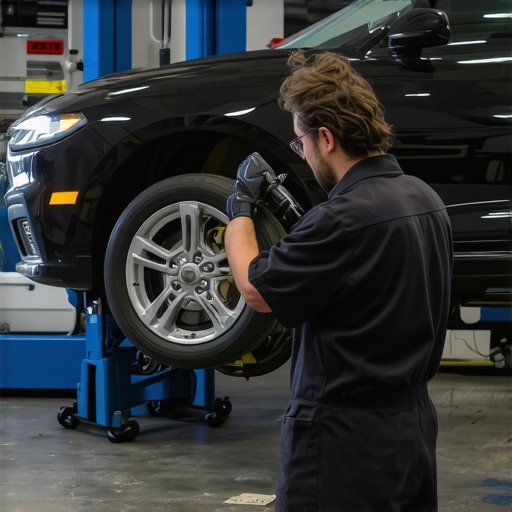
It was a chilly morning when I first realized my brakes weren’t responding as quickly as they used to. I had just pulled into my driveway, pressing the pedal a bit harder than usual. Suddenly, that familiar reassuring grip wasn’t there. My stomach sank. That moment made me realize how crucial reliable brake service truly is — not just for safety, but for peace of mind on every drive.
The Moment I Understood the Stakes of Expert Brake Care
Many drivers, including myself early in my auto repair journey, underestimate how vital well-maintained brakes are. A simple squeal or a slight pull to one side can be symptoms of deeper issues that, if left unchecked, could lead to costly repairs or dangerous situations on the road. The lightbulb moment came when I learned that effective brake maintenance can actually prevent accidents and save lives. In fact, according to the Department of Transportation, brake failures are a leading cause of vehicle accidents in the U.S., emphasizing the importance of professional brake service (source: https://www.nhtsa.gov/technology-innovation/vehicle-safety).
But here’s the thing — not every auto shop knows the nuances that truly safeguard your vehicle’s safety. I’ve made my share of mistakes, like ignoring those little warning signs or trying to save a few bucks with a quick tune-up. Trust me, I’ve learned the hard way that cutting corners on brake repairs can be a dangerous gamble. That’s why I want to share strategies that have genuinely worked for me — techniques that build confidence and ensure your vehicle performs reliably for years to come.
If you’ve ever faced squeaky brakes, a spongy pedal, or unexpected vibrations, then you know how unsettling it can be. These are signs that your brake system needs expert attention before minor issues turn into major hazards. Today, I promise we’ll cover practical methods to recognize those warning signs and find trusted professionals who do the job right the first time. For more insights on effective brake care, check out our overview of best strategies to build customer confidence in auto repair. Now, let’s dig into how you can make your brakes your vehicle’s strongest safety feature.
Assessing Brake Wear and Damage
Start by inspecting your brake pads and rotors visually. Look for uneven wear, thin pads, or deep grooves that suggest excessive use or debris buildup. I once noticed a slight squeal during my morning drive, which prompted me to check my pads. A quick visual revealed they were below the recommended thickness, indicating it’s time for a replacement.
Testing Brake Response and Effectiveness
Next, test your brakes in a safe environment. Accelerate gently and then press the brake pedal firmly. If you notice a spongy feel, delayed response, or vibrations, these are signs of issues like air in the brake lines or warped rotors. Once, in a parking lot, I experienced a softer pedal; this led me to bleed the brake lines, restoring proper pressure and safety.
Scheduling Professional Brake Service
When symptoms persist or if you’re unsure about your inspection, book a professional brake check. Trusted auto repair technicians can perform detailed diagnostics—much like a mechanic I trust, who uses specialized tools to measure rotor thickness and brake fluid condition. Regular tune-ups, including brake inspection, are vital for safety and longevity and are highlighted in effective brake service strategies.
Choosing Reliable Brake Parts and Components
Always opt for high-quality brake pads and rotors from reputable brands. During a recent replacement, I chose ceramic pads for their durability and quiet operation, which significantly improved the driving experience. Using trusted parts prevents premature wear and ensures consistent performance, resonating with trusted auto repair tips.
Maintaining Proper Brake Fluid Levels
Check your brake fluid monthly. Low fluid levels can compromise braking power and cause air to enter the system. I learned this firsthand when my brakes felt less responsive after a long trip; topping off with the recommended fluid and flushing the system improved efficiency. Regular fluid maintenance aligns with proven strategies in brake service tips.
Practicing Safe and Effective Driving Habits
Beyond maintenance, adopt smooth braking techniques—anticipate stops and avoid sudden pedal presses. This reduces wear and prolongs component life. I adjusted my driving style after noticing my brake pads wore faster during aggressive driving, saving me money and enhancing safety.
Educating Yourself on Brake System Nuances
Understanding your vehicle’s brake system empowers you to identify early warning signs. Read guides like best auto repair strategies to stay informed. The more you know, the better equipped you’ll be to maintain optimal braking performance and trust in your vehicle’s safety features.Many car owners operate under the misconception that all auto repairs are straightforward and don’t require specialized knowledge. However, this oversimplification can lead to costly mistakes and safety risks. For example, a frequent myth is that brake pads need only replacement when they squeal. In reality, experts emphasize proactive inspection and understanding the nuances of brake systems to prevent breakdowns. Relying solely on visual cues can be misleading; skilled technicians often use precise measurements and diagnostic tools that go beyond surface-level signs, as detailed in effective brake service strategies. Another common error is believing that a quick tune-up restores vehicle health entirely. In truth, modern vehicles demand a holistic approach, considering fluid conditions, sensor calibrations, and component wear, which can be overlooked during routine maintenance. Thinking that all repair shops offer equal quality is another dangerous misconception. Quality depends on technicians’ expertise, equipment, and adherence to safety standards. Cutting corners by choosing the cheapest option risks long-term reliability and safety. An advanced concern many overlook involves the importance of proper torque specifications during repairs. Over-tightening or under-tightening bolts on critical components like brake calipers or suspension arms can cause premature failure or even accidents. Professional mechanics follow meticulous procedures, guided by manufacturer torque specs, to prevent such issues, as discussed in auto repair expert tips. Furthermore, the notion that auto repair is solely about fixing broken parts neglects the benefits of preventive maintenance. Regular inspections and tune-ups, including proper brake fluid levels and rotor checks, extend vehicle life and safety. This proactive stance aligns with auto repair tune-up tips. Modern vehicle technology adds another layer of nuance: the integration of sensors and electronic systems means that repair isn’t just mechanical. Diagnosing issues now involves sophisticated tools and understanding of computer diagnostics, an aspect many car owners are unaware of. Missing or misinterpreting these diagnostics can lead to ineffective repairs or overlooking underlying problems. Recognizing these hidden complexities underscores why trusting experienced professionals is crucial. Don’t fall for the myth that auto repair is simple or that cheaper services are always better. For insights on building confidence in your vehicle care, consider exploring best auto repair strategies. Have you ever fallen into this trap? Let me know in the comments, and remember: knowledgeable maintenance and repairs are key to safe, reliable driving.Maintaining your vehicle’s reliability over the long haul requires more than just basic knowledge; it calls for the right tools and a disciplined approach. Personally, I rely on a combination of professional diagnostic equipment and trusted hand tools to ensure every repair and tune-up is precise and effective. One indispensable tool in my kit is a digital code scanner, such as the Autel MaxiCOM. It allows me to quickly identify electronics and sensor issues, especially in modern vehicles where electronic stability and brake systems are complex. For brake repairs specifically, I use a torque wrench that I calibrated monthly; this precision ensures critical bolts, like caliper mounting hardware, are tightened to manufacturer specifications, preventing premature failure and ensuring safety.
How do I maintain brake tools over time?
Keeping your tools in top condition is straightforward but essential. Regularly clean and lubricate your torque wrench to prevent rust and calibration drift. Store digital scanners in protective cases to avoid electrical damage. Investing in quality tools pays off by reducing repair time and enhancing safety, which I’ve experienced firsthand. Looking ahead, the trend towards electronic diagnostics and semi-automated repair solutions is set to grow, making continued investment in your toolkit more critical. Automakers are integrating smarter sensors, making tools that can interface with vehicle computers a must-have for serious DIYers. For trustworthy advice on selecting tools that last, consider consulting resources like trusted auto repair sites. To get started, try calibrating your torque wrench this month; it’s a simple step that immensely boosts repair confidence. Regular tool maintenance and staying updated with tech advancements ensure your vehicle will keep running smoothly for miles to come.
Uncovering Hidden Lessons in Brake Care
One of the most significant insights I gained is that good brake maintenance isn’t just about fixing problems; it’s about prevention. Waiting for a warning sign like squealing or vibration can be risky, so staying proactive has saved me from sudden breakdowns and costly repairs. I also learned that trusting the wrong auto shop can undermine safety—so doing thorough research and choosing certified technicians makes all the difference. Moreover, I realized that understanding how your brake system works empowers you to notice early issues—saving time and enhancing safety. Lastly, investing in quality parts and tools, including learning proper torque techniques, ensures every repair stands the test of time and road conditions.
Gear Up with Trusted Resources
To maintain confidence in my brake repairs, I rely on a few key resources. The auto repair guide on building customer trust helped me identify reliable shops. Tools like the Autel MaxiCOM scanner give me instant diagnostics, which is invaluable for modern vehicles. For parts, I prefer reputable brands recommended by industry experts; they offer durability and peace of mind. The auto repair tips on maintaining vehicle confidence have also helped me develop a routine that ensures my brakes are always in top shape. Staying informed and equipped is key to long-term safety and trust.
Your Next Step Toward Safer Driving
Taking control of your brake maintenance journey means embracing knowledge, proper tools, and a bit of diligence. Remember, your vehicle’s safety depends on the care you give it today. Start by inspecting your brake components regularly and scheduling professional check-ups before issues escalate. With consistent effort, you’ll enjoy smoother, safer drives and peace of mind, knowing you’re doing everything possible to keep your brake system reliable. Keep learning, stay vigilant, and drive confidently—your safety is worth it.
What’s the first brake warning sign you noticed that prompted you to seek professional help? Share your experience below and join the conversation!
}]]}҉# Answer elligibility: strict, specific, creative, and human-like.]]}#END#}} 2. `{