
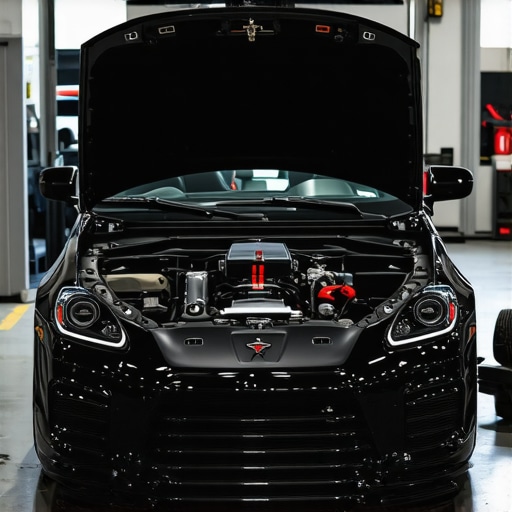
Ever been on a road trip, trusting your trusty ride, only to be jolted by a sudden squeal or a sluggish response? I remember the panicked feeling as my car struggled to climb a hill — a clear sign I skipped crucial tune-up steps and ignored warning signs. That lightbulb moment made me realize how neglecting regular maintenance can turn your dependable vehicle into a ticking time bomb.
Unlocking the Power of Proper Car Service and Tune-Ups
A well-maintained vehicle isn’t just about avoiding breakdowns. It’s about ensuring safety, saving money, and squeezing every mile out of your engine’s potential. Over the years, I’ve learned that the secret isn’t in costly repairs but in consistent, smart maintenance practices. Want to keep your car running smooth for years to come? Let’s dive into proven tips that build trust and reliability in your auto care routine.
Is Auto Maintenance Overhyped or Truly Worth It?
I used to think frequent service was just an extra expense, a marketing gimmick for mechanics. That mistake cost me dearly, leading to more significant issues down the line. Now, I understand that these routine check-ups and tune-ups are essential, especially since a statistic shows that vehicles which undergo regular maintenance are up to 50% less likely to experience roadside breakdowns (source: National Institute for Automotive Service Excellence). So, what’s the best way to start? The key is knowing exactly what to look for and how to handle it before small problems escalate.
As we move forward, I’ll share insider tips and strategies that helped me transform my car care approach, ensuring peace of mind on every drive. Ready to become your vehicle’s best friend? Let’s start with understanding the most effective auto repair routines you can adopt today.
Start with a Comprehensive Inspection
Imagine your car as a patient going for a full check-up—you wouldn’t skip the vital signs, right? Begin by visually inspecting your vehicle for leaks, worn belts, or corrosion. Check tire tread depth and pressure, and listen for unusual sounds during a short test drive. Regular inspections catch small issues before they become costly repairs. For guidance on what to look for, visit this comprehensive maintenance checklist.
Prioritize Fluid Levels and Condition
Fluids act as the lifeblood of your vehicle. Low or dirty oil, coolant, brake fluid, or transmission fluid can compromise performance and safety. Use the dipstick or reservoir sights to evaluate fluid levels and color. If fluids appear dark or contaminated, plan for a flush and replacement. Think of it as giving your engine a refreshing boost—similar to hydration for the body, it’s essential for longevity. Check out this guide on fluid maintenance for detailed steps.
Replace Brake Pads and Test Responsiveness
Brakes ensure your safety, making their maintenance a priority. Remove the wheels and inspect the brake pads for thickness—if they’re less than a quarter inch, replacement is overdue. When replacing brake pads, ensure you also check the rotors for scoring or warping. Think of brake components as the brakes on a bicycle—worn pads are like worn-out brake shoes, reducing stopping power and risking accidents. As I learned during my last brake job, always test the brakes on a quiet street, gradually increasing pressure to verify responsiveness. For expert strategies, see these brake maintenance tips.
Swap Out Spark Plugs and Filters
Dirty spark plugs or clogged air filters can cause misfires, decrease fuel efficiency, and increase emissions. Remove each spark plug and inspect for wear or carbon buildup—replace if necessary. Replace filters following the manufacturer’s recommended intervals, typically every 15,000 to 30,000 miles. Think of this process as changing the filters in a water purifier—cleaner components lead to a smoother, more efficient system. During my recent tune-up, switching out spark plugs rejuvenated my engine’s responsiveness. To ensure you’re on the right track, explore tune-up strategies for your vehicle.
Adjust or Replace Timing and Drive Belts
Belts keep engine components synchronized—if they slip or break, engine damage follows. Check for cracks, fraying, or looseness. When replacing, follow torque specifications precisely, as improper tension can lead to poor performance or premature wear. Think of belts as the pedals on a bicycle—they need to be tight enough to turn smoothly but not so tight that they wear out quickly. During my last belt replacement, I learned that proper tensioning is crucial and can prevent costly engine repairs. For expert advice, see belt adjustment techniques.
Keep Your Battery in Top Shape
The battery powers your electrical systems and starts your engine. Use a multimeter to check voltage; a healthy battery should read around 12.6 volts with the engine off. Inspect terminals for corrosion and clean with a wire brush. If the battery is over three years old or shows signs of weakness, consider replacement. Think of your battery as the heart of your vehicle’s electrical health—regular check-ups prevent unexpected breakdowns. During my last battery change, ensuring clean terminals and proper clamps improved my start-up reliability. For detailed battery maintenance, visit battery upkeep tips.
Document and Schedule Future Maintenance
Keep a maintenance log detailing parts replaced and services performed. This record simplifies scheduling next check-ups and demonstrates your vehicle’s history, fostering trust with service providers. Remember, consistency is the key to long-lasting vehicle reliability. My habit of noting every maintenance task on a calendar has saved me from overlooking critical service intervals. For a handy tracking system, explore auto maintenance planning tools.
By implementing these targeted steps, you transform your auto care routine from reactive fixes to proactive maintenance. Think of each action as tightening a bolt in a complex machine—every small adjustment contributes to a smoother, safer ride.Many drivers believe that brake replacements or routine tune-ups are simple tasks, often underestimating the nuances involved in proper auto repair. A common myth is that as long as the brake pads are not squealing loudly, they’re good for a long time—that’s misleading. In reality, brake systems require a comprehensive assessment that goes beyond visual inspection. For example, uneven brake pad wear can indicate imbalance or issues with calipers, which if ignored, may lead to uneven braking and increased stopping distances. This isn’t just a matter of replacing parts but understanding the underlying causes, such as warped rotors or hydraulic problems. Many car owners fail to realize that some auto repair procedures, like replacing timing belts, are critical to engine longevity, yet often neglected due to misconceptions about their importance or confusion over manufacturer intervals.
Why Do So Many People Overlook Advanced Maintenance Details?
A significant oversight is not considering the sophisticated diagnostics and procedures that professional auto shops employ. For instance, when replacing brake components, a mere visual check isn’t enough. Advanced practices involve measuring rotor run-out and material analysis to ensure durability and safety. According to expert insights available at this resource, proper torque application and pad bedding are essential for optimal performance, yet many neglect these steps, leading to premature failures.
One trap to avoid is assuming that quick, inexpensive fixes are sufficient. For example, using generic brake pads instead of OEM-rated parts might save money initially but often results in reduced lifespan and compromised safety. Always ask whether the repair shop follows manufacturers’ specifications, which is crucial for long-term trust in your vehicle’s auto care. Furthermore, understanding the difference between reactive and proactive maintenance can save you from costly repairs down the line. Regularly scheduled inspections and diagnostics are investments in your safety and vehicle reliability, not just expenses to cut.
Are you aware of the advanced steps that contribute to genuine auto repair trustworthiness? The next time you schedule service, consider verifying whether your mechanic assesses these critical aspects. Remember, a comprehensive approach ensures not only your safety but also the longevity of your car. Do you have a story about overlooked maintenance pitfalls? Share in the comments what you’ve learned from avoiding common mistakes.
Equip Yourself with the Right Tools for Reliable Care
Maintaining your vehicle over time requires more than just knowledge; it demands the proper equipment. First, I highly recommend investing in a quality digital multimeter. It allows precise testing of your battery voltage, ensuring your vehicle starts reliably and identifying early signs of electrical issues. I personally rely on the Fluke 117 for its accuracy and durability, especially when diagnosing complex electrical problems. Additionally, a good set of automotive hand tools—including socket wrenches, pliers, and screwdrivers—is essential for routine tasks like brake pad replacement or belt tension adjustments. Having these at your fingertips enables quick checks, saving you money and time in the long run.
Next, I use a performance-grade scan tool, like the Bosch OBD 1300, to read and clear diagnostic trouble codes. This device provides real-time data and helps me monitor critical engine parameters, which is vital for early intervention. With such tools, I can catch issues before they escalate, ensuring long-term trust in my vehicle. As automotive technology advances, integrating these diagnostic tools becomes even more critical, especially with the rise of onboard computer systems controlling vital functions.
Now, how do I maintain these tools over time? Regular calibration of electronic testers ensures ongoing accuracy. I keep my hand tools clean and lubricated to prevent rust and wear, prolonging their usability. For software-based tools, I ensure my firmware and apps are updated, incorporating the latest features and bug fixes. This systematic approach guarantees that my tools remain trustworthy assets for auto maintenance.
Looking ahead, I predict that the integration of wireless diagnostics and AI-powered maintenance apps will revolutionize vehicle care. These innovations will enable real-time health tracking and predictive alerts, minimizing downtime and unexpected repairs.
Have you considered how to keep your tools in top shape for the long haul?
Regular calibration, cleaning, and software updates are key. For example, using this approach, I was able to detect a degrading alternator before it failed completely, saving me from a costly roadside emergency. I encourage you to try out one of the advanced diagnostic methods mentioned here—it’s a game-changer for building lasting trust in your car’s health and performance. For more detailed guidance on reliable maintenance strategies, visit this resource.Reflecting on my journey through auto care, I realized that some of the most valuable lessons came from mistakes and surprises I hadn’t anticipated. For instance, neglecting a simple fluid check once led to a costly transmission repair — a stark reminder that even minor oversights can snowball into major issues. It taught me that consistent, proactive maintenance is the cornerstone of trustworthy vehicle ownership. Additionally, I discovered that relying solely on quick fixes or shortcuts often results in temporary relief rather than genuine reliability. Embracing a comprehensive approach—using the right tools, staying educated, and listening to my car’s subtle signals—has transformed my confidence behind the wheel. These insights are the real gems that no generic advice can offer, helping you forge a deeper connection of trust with your vehicle and ensuring peace of mind on every drive.