
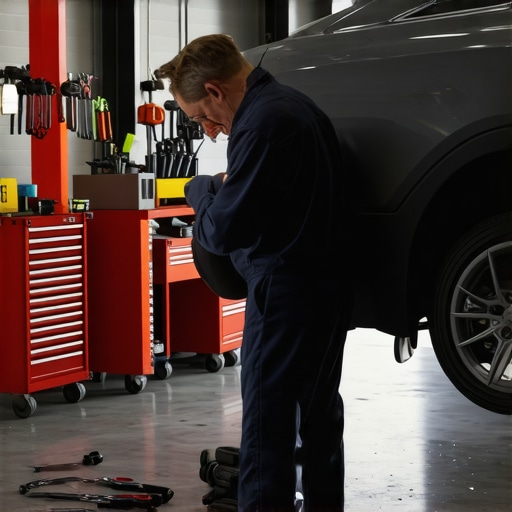
Ever experienced that sinking feeling when your car starts to jerk or squeal unexpectedly on your way home? One minute, everything’s smooth sailing; the next, you’re nervously checking your rearview mirror, wondering if today’s the day you’ll break down. I used to brush off those little hiccups, thinking they were just quirks. But let me tell you, ignoring warning signs can turn a minor glitch into a major, costly headache. It was only after a stubborn brake squeal nearly caused an accident that I had my lightbulb moment: proper auto care isn’t just about avoiding repairs—it’s about ensuring safety and peace of mind every time I hit the road.
Why Regular Auto Tune-Ups and Brake Care Save You Money and Lives
Over the years, I’ve learned that a little preventative maintenance goes a long way. Simple tune-ups can prevent unexpected breakdowns, keep your car running efficiently, and most importantly, keep you safe. For instance, neglecting your brake system can lead to diminished stopping power—a dangerous risk you don’t want to take. I found that following professional strategies, like those outlined in best brake service tips, helps me stay ahead of issues before they become emergencies. Studies show that most auto repairs cost less when caught early, saving drivers hundreds or even thousands of dollars in the long run. Plus, peace of mind in knowing your vehicle is dependable is priceless.
Worried That Auto Repairs Are Too Complicated or Unreliable?
Let me admit something—early on, I made mistakes that set me back. I once skipped a brake inspection because I thought everything looked fine. Turns out, small issues can hide beneath surface rust or minor wear. My biggest mistake was trusting shop recommendations without doing my homework. That experience taught me that informed car care, like understanding proper tune-up strategies, makes all the difference. You don’t need to be an auto mechanic to keep your vehicle safe—just a bit of knowledge and the willingness to stay proactive. Stay tuned, because I’ll share actionable steps to help you master your auto maintenance and keep your drives safe and reliable for years to come.
Start With a Comprehensive Inspection
Arrange for a professional inspection to identify worn or damaged parts. Think of it like a health check-up—spotting issues early prevents bigger problems. During my last visit, I noticed uneven brake pad wear, which I wouldn’t have caught without a detailed examination. This step sets the foundation for effective maintenance and saves money in the long run.
Prioritize Routine Oil Changes and Filter Replacements
Changing your oil regularly is like fueling your car’s engine—clean oil keeps parts moving smoothly. Neglecting this can cause engine stress, much like a human running on low energy. I scheduled my oil change following manufacturer guidelines and added new filters, which improved engine performance noticeably. Pairing this with a quick check of coolant and transmission fluid ensures all vital systems are healthy.
Address the Brakes Specifically
Brakes are safety critical, and their care is akin to sharpening your tools before a big project. For example, I once delayed brake maintenance and ended up replacing rotors prematurely after a squeal worsened. To avoid this, I consult trusted brake service strategies that outline proper pad and rotor care, including regular checks and timely replacements.

Learn to Recognize Warning Signs
Listen for squeals, feel for vibrations, or notice reduced responsiveness—these are your car’s way of saying it needs help. When I first felt a soft pedal and strange vibration, I didn’t delay. Quick inspection revealed worn brake pads that could have led to dangerous failure. Being attentive to these signs keeps you safe and reduces costly repairs.
Keep Your Battery and Tires in Check
Analogous to taking care of your shoes—if they are worn out, your journey suffers. Regularly test your battery health and check tire pressure and tread depth. During a routine tire rotation, I discovered a nail lodged in my tire, preventing a potential blowout. Keeping these elements in top shape ensures reliable starts and safe trips.
Stick to a Preventative Maintenance Schedule
Creating a maintenance calendar based on your vehicle’s manual is like setting reminders for important appointments. I set mine using digital alerts, which prompted me to replace fluids and inspect critical components periodically. Following trusted tune-up tips helps me avoid surprises and maintains vehicle confidence.
Document All Service Activities
Keeping a record is like maintaining a journal of your car’s health. I note down dates, parts replaced, and observations during each service. This habit helps track recurring issues and plan future maintenance, ensuring consistent reliability. When I needed to sell my car, detailed records gave buyers confidence and boosted the value.
Many car owners operate under a series of misconceptions that can undermine their vehicle’s longevity and safety. Contrary to popular belief, not all tune-ups or repairs are created equal, and overlooking nuanced details can lead to costly mistakes. For example, a common myth is that replacing oil alone suffices for engine health, but in reality, comprehensive checks of filters, belts, and fluid levels are equally crucial. Skipping these can cause early wear or breakdowns, even if the engine sounds fine.
What Advanced Car Maintenance Strategies Do Experts Use to Prevent Failures?
Professional auto technicians leverage sophisticated diagnostics and targeted component replacements. They understand that a mere visual inspection may miss subtle signs of wear—such as microscopic cracks in brake rotors or early corrosion of electrical connections—that precede major failures. Regularly, these experts utilize tools to measure brake pad thickness or fluid contamination with precision, providing a much higher success rate in maintenance outcomes. This approach aligns with insights from proven expert strategies, which emphasize tailored, data-driven inspections over generic routines.
One trap to avoid is the assumption that all repairs or tune-ups can be deferred until symptoms appear. Advanced auto care involves predictive maintenance—anticipating issues before they manifest visibly. For instance, maintaining an optimal schedule for brake fluid replacement can prevent pedal softness or failure, especially critical in emergency situations. Failing to adhere to manufacturer guidelines or neglecting occasional diagnostics often results in diminished vehicle performance and increased safety risks.
A common mistake I see is drivers relying solely on externally visible cues, like sounds or vibrations, without understanding underlying causes. This oversight can delay necessary repairs, making the problem worse. Engage with your mechanic by asking about specific diagnostic tests or component wear analyses—these details inform smarter, more reliable upkeep. For example, proactive brake service, including checking rotor integrity and caliper function, can significantly enhance safety during sudden stops. For an in-depth guide, exploring best brake service tips can be enlightening.
In essence, mastering advanced auto maintenance involves understanding that not all parts wear uniformly, and early detection through precision diagnostics can save money and lives. Think beyond the routine; think strategic. Have you ever fallen into this trap? Let me know in the comments and share your experience with proactive vehicle care.
Investing in Quality Tools for Long-Term Maintenance
When it comes to maintaining your vehicle’s performance, having the right tools is paramount. I personally swear by a high-quality digital multimeter because it allows me to accurately test electrical systems, such as battery voltage and charging circuits, saving me from unnecessary trips to the mechanic. A reliable torque wrench is indispensable for ensuring that bolts—like those on your brake calipers—are tightened to factory specifications, which is critical for safety and longevity. Additionally, an OBD-II scanner is a game-changer; it enables me to read engine trouble codes instantly, pinpointing issues before they escalate. Using these tools regularly empowers me to diagnose and address small problems early, extending my vehicle’s lifespan.
Software Solutions for Predictive Maintenance
Beyond physical tools, I rely heavily on advanced software platforms that assist in maintaining my vehicle’s health. Apps like Car Minder or FIXD sync with my car’s onboard diagnostic system, providing real-time data on oil life, tire pressure, and battery health. These digital assistants help me schedule timely tune-ups and part replacements, avoiding unexpected breakdowns. As vehicle technology evolves, integrating telematics and predictive analytics will become standard, making maintenance more proactive than ever. Experts predict that the future of auto care will hinge on machine learning algorithms that forecast failures based on driving patterns and sensor data, reducing downtime and repair costs. To stay ahead, I recommend exploring reputable diagnostic apps and automotive management tools—investing in them now will future-proof your maintenance routine.
How do I maintain my vehicle over time effectively?
Consistent routine inspections are the backbone of keeping your car in top shape. I schedule biannual comprehensive checks with trusted auto professionals, focusing on crucial systems like brakes, suspension, and fluid levels. Documenting all service activities helps me spot recurring issues and plan repairs strategically. For instance, by following trusted tune-up tips, I ensure my maintenance process is thorough and efficient. Additionally, adopting an early warning mindset—being attentive to unusual sounds or vibrations—allows me to act proactively. Regularly updating my maintenance schedule through vehicle-specific apps keeps me on track, preventing minor issues from developing into costly repairs. This disciplined approach not only saves money but also maximizes safety and vehicle reliability over the long haul. Remember, embracing both high-quality tools and smart software solutions is the key to effective, long-term auto care.
How I Learned to Trust Regular Maintenance Over Guesswork
Initially, I believed that waiting for warning lights or strange noises was sufficient, but experience taught me that proactive care prevents crises. One of my biggest lightbulb moments was realizing that consistent tune-ups and brake inspections act like preventive medicine for my car, saving me from costly repairs and dangerous breakdowns. Embracing scheduled services, guided by expert insights, transformed my approach from reactive to preventative, ensuring I stay ahead of potential failures.
The Gear That Keeps My Vehicle Running Smoothly
If you’re serious about auto care, equipping yourself with quality tools and trusted resources is a game-changer. I rely on a dependable OBD-II scanner for quick diagnostics, a durable torque wrench for precise repairs, and a reliable digital app to track maintenance schedules. These tools, combined with insights from authoritative sources like trusted auto repair guides, empower me to maintain my vehicle confidently and efficiently.
Taking Action to Build Long-Term Confidence
The key to lasting vehicle reliability is developing a consistent maintenance routine rooted in knowledge and attentiveness. Start by scheduling regular inspections, prioritize timely oil changes, and don’t overlook brake and tire checks. Remember, addressing small issues early—like replacing worn brake pads—can prevent dangerous failures on the road. Investing in education, such as reading comprehensive guides on tune-up strategies, will help you stay proactive and confident in your auto care abilities. Now’s the time to turn maintenance from a chore into a smart, value-adding habit.
This post offers such practical insights into auto maintenance that can often be overlooked by everyday drivers. I totally agree that regular tune-ups and brake checks are invaluable, especially since they not only save money but can also prevent serious accidents. I remember ignoring signs like squealing brakes once and paying the price when the brake rotor needed costly replacement. It made me wonder, how do you guys stay consistent with scheduled maintenance amidst busy schedules? I’ve started using an auto maintenance app that sends reminders for oil changes and inspections, which has helped me stay on top. Also, investing in good diagnostic tools at home, like a quality OBD-II scanner, has empowered me to catch early issues. What are your favorite tools or methods to keep vehicle health a priority without relying solely on mechanic visits? Would love to hear your tips!