
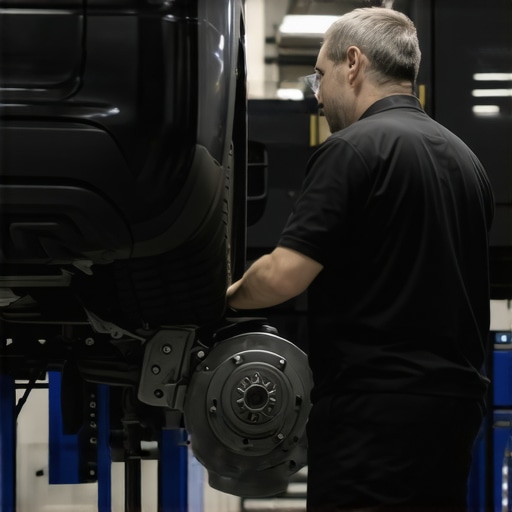
It was a morning like any other, but as I pulled out of my driveway, I felt a strange vibration in the brake pedal. My trusted car, which had always responded reliably, suddenly felt off. That realization hit me hard—how often do we neglect the routine tune-ups and brake checks our vehicles desperately need? Years of ignoring small warning signs had nearly caught up with me, threatening my safety and confidence on the road.
Why Proper Car Maintenance is Non-Negotiable for Safety and Reliability
Keeping your vehicle running smoothly isn’t just about avoiding inconvenient breakdowns; it’s about ensuring safety, especially when you depend on your car daily. A well-maintained engine and reliable brakes can make the difference between a safe trip and a disaster. I’ve learned this the hard way—skipping routine inspections can lead to costly repairs and, more importantly, dangerous situations.
If you’re like me, you probably wonder whether those regular tune-ups and brake service are truly worth the time and money. After all, isn’t a car supposed to last forever if you take good care of it? Well, I once believed that too—and paid the price. Early in my driving days, I dismissed the importance of scheduled maintenance. It wasn’t until a sudden brake failure on a busy street that I realized how critical these small, routine checks are. That experience cemented my belief: proactive care is the best investment you can make for your vehicle.
Research shows that regular auto adjustments and part replacements can extend the lifespan of your vehicle significantly. According to a report by the Automotive Service Association, consistent preventative maintenance reduces repair costs over time and enhances driving safety. So, if you’ve ever wondered whether your neglect of routine maintenance might come back to haunt you, you’re not alone—and the answer is a resounding YES.
Now, let’s get into the practical steps to support your vehicle’s health. I’ll share some reliable tips that helped me regain confidence in my car and keep it running effectively for miles to come. If you want to avoid the pitfalls I faced and ensure your car is always road-ready, keep reading. After all, a little proactive effort now can save you from big headaches down the road.
Get Your Hands Dirty: Conduct Basic Checks Regularly
Start by inspecting your tires for uneven wear or low pressure; use a reliable pressure gauge and compare against recommended psi. Check your oil level with the dipstick—if it’s dark or low, plan a quick top-up or oil change. Examine your windshield wipers for cracks; replace them if they smear or skip, ensuring clear visibility during rain. These simple steps are like the heartbeat of your vehicle’s health. I remember once noticing my tire pressure was off after a long trip, which caused handling issues; a quick fill restored smoothness and safety. For detailed guidance, visit https://glassfixauto.com/auto-repair-brake-service-proven-strategies-for-safe-roads-in-1523.
Review and Replace Brake Components When Needed
Think of your brakes as the car’s decision-maker—they need to react promptly. Start by listening for squeals or feeling vibrations when braking. Visually inspect brake pads through the wheel spokes; if they’re thinner than a quarter, it’s time for replacements. Check the brake fluid reservoir for height and clarity; if cloudy or low, flush and refill with the correct type. During a recent brake overhaul, I replaced worn pads and bled the lines, which drastically improved stopping power. Remember, neglecting brake maintenance can turn a routine stop into a danger. For expert strategies, see https://glassfixauto.com/top-auto-repair-tune-up-tips-for-lasting-vehicle-trust.
Tune-Up Your Engine to Run Smooth
Engine tune-ups include replacing spark plugs, inspecting belts, and cleaning injectors. Spark plugs should be checked for wear—if they’re fouled or corroded, replace them to restore throttle response. Belts, like a bicycle chain, need to be tight but not overly so; inspect for cracks or fraying, and replace if necessary. Cleaning fuel injectors enhances efficiency; use a professional cleaning kit or seek expert help. When I serviced my engine with new plugs and a belt, it ran noticeably quieter and more responsive. This proactive approach prevents unexpected breakdowns and keeps your confidence high. For in-depth tips, visit https://glassfixauto.com/expert-car-tune-up-strategies-to-boost-reliability-confidence.
Schedule Professional Maintenance for Peace of Mind
While DIY checks are vital, scheduling professional service ensures nothing is overlooked. Professionals perform detailed diagnostics, brake fluid tests, and full engine inspections. Think of it as a routine health check-up—preventative and comprehensive. During my last appointment, a technician spotted a minor leak early, saving me from a costly repair later. A scheduled tune-up guarantees your vehicle remains dependable, saving money and avoiding frustration. For trusted service strategies, see https://glassfixauto.com/trusted-auto-repair-tune-up-tips-for-lasting-confidence.Many car owners assume that routine maintenance is a simple checklist of tasks, but in reality, there’s a lot of nuance beneath the surface. A common misconception is that following manufacturer recommendations strictly means your vehicle is always in optimal shape—however, experts emphasize that understanding the subtle signs of wear and knowing when to go beyond the basics can make a significant difference. For instance, relying solely on mileage intervals without considering driving habits or environmental factors might lead to missed issues. In my experience, many overlook the importance of diagnosing underlying problems during inspections, which can result in repeated repairs or unexpected failures.
One trap I often see is the misconception that brake pads need replacing only when they squeal loudly. While noise is an indicator, regular visual inspections through the wheel spokes reveal thin pads that are dangerously close to metal-on-metal contact—this is an advanced nuance many neglect. Additionally, the idea that topping off fluids suffices is a myth. Brake fluid, for example, absorbs moisture over time, decreasing braking performance. Flushing and replacing it according to a schedule preserves safety, backed by studies indicating that moisture-laden brake fluid can cause brake failure under heavy use. For a deep dive into these strategies, check out [essential tune-up and brake service strategies](https://glassfixauto.com/essential-tune-up-brake-service-strategies-for-reliable-auto-care).
Another common myth is that engine tune-ups are only about changing spark plugs. The reality is that modern vehicles require a holistic approach, including inspecting sensors, updating software, and considering fuel system health. Overlooking these aspects can cause drivability issues that seem minor but reflect significant engine health deterioration. Understanding this complexity is crucial for effective auto repair—something seasoned mechanics have recognized for years and recommend including during regular service. Discover more about advanced tuning strategies in [expert car tune-up techniques](https://glassfixauto.com/expert-car-tune-up-strategies-to-boost-reliability-confidence).
Now, for those who want to elevate their vehicle’s reliability, considering the specific driving environment and usage patterns can uncover gaps in maintenance routines. For example, frequent short trips can cause condensation buildup in engines and exhaust systems, accelerating corrosion if not addressed proactively. Regularly scheduled professional check-ups can catch these subtle issues early. Skipping this step is like ignoring a small leak in a boat—you might not notice it immediately, but it will cost you in the long run.
A critical question I often get is: How do I know if my car needs a more than routine service? The answer lies in the vehicle’s signals—changes in handling, unusual noises, or dashboard warning lights—plus periodic detailed diagnostics. As auto repair expert sources suggest, proactive diagnostics can prevent costly repairs and ensure safety. You can learn effective diagnostic strategies by visiting [trusted auto repair and tune-up tips](https://glassfixauto.com/trusted-auto-repair-tune-up-tips-for-lasting-confidence).
In sum, understanding these nuances can inform smarter maintenance decisions, saving you money and enhancing safety. It’s not just about following a checklist but recognizing the subtle signs your vehicle gives you. So, have you ever fallen into any of these traps? Let me know in the comments.Maintaining your vehicle’s performance over the long term relies heavily on the right tools and consistent methods. Personally, I swear by a high-quality automotive multimeter for diagnosing electrical issues, as it allows me to quickly verify sensor signals and circuit integrity without guesswork. A reliable scan tool, such as the Autel MaxiCOM series, helps me access advanced OBD-II functions, giving insights beyond basic trouble codes—crucial for pinpointing problems early. Additionally, a sturdy torque wrench ensures that components like wheel lug nuts and engine belts are tightened to manufacturer specifications, preventing future issues caused by over- or under-tightening.
Investing in an infrared thermographic camera has also transformed my approach to diagnostics. By visually identifying hot spots in wiring or engine components, I catch potential failures before they manifest as breakdowns. For regular maintenance, I prefer fluid testers—like brake fluid testers—to measure moisture content, ensuring brake safety is never compromised. Regularly using these tools has helped me extend the intervals between costly repairs and maintain a safe, reliable vehicle.
Looking ahead, I believe the trend in auto maintenance is moving toward smarter diagnostics with integrated AI-powered systems that can predict failures based on usage patterns and sensor data. This preventative approach could shift maintenance from reactive to proactive, saving time and money.
**How do I keep my car performing over time?** Consistent use of diagnostic tools combined with scheduled check-ups helps me stay ahead of potential issues. For instance, I set reminders every few months to run a diagnostic scan and inspect critical components, which has proven invaluable.
One tip I highly recommend trying is implementing an infrared thermal inspection during routine checks. This non-invasive method can reveal hidden electrical or mechanical problems early, saving you from surprises on the road. For detailed guidance on trustworthy auto repairs, check out [trusted auto repair and tune-up tips](https://glassfixauto.com/trusted-auto-repair-tune-up-tips-for-lasting-confidence). If you’re not already using diagnostic tools regularly, investing in a quality scan tool and learning to interpret its data could significantly boost your confidence and your car’s longevity. Remember, maintaining a proactive mindset with the right equipment is key to keeping your vehicle dependable in the long run.
The Hardest Lesson I Learned About tune up, car service, brake service, auto repair
One of the most impactful lessons I encountered was realizing that surface-level maintenance isn’t enough; true vehicle longevity demands understanding the subtle signs that your car whispers before it shouts with failure. For example, I used to dismiss minor vibrations or slight decreases in responsiveness as normal wear, but these were early indicators of deeper issues. Recognizing these nuances early saved me from costly repairs and unsafe situations, proving that knowledge and attentiveness are your best auto maintenance tools.
3 Myths About tune up, car service, brake service, auto repair That Held Me Back
Believing that brake pads only need replacement when they squeal led me to ignore visual checks, missing thin pads that dangerously compromised safety. Also, thinking engine tune-ups only involve changing spark plugs overlooked the importance of inspecting sensors and updating software. Busting these myths transformed my approach, showing me that proactive, comprehensive care is essential. Always questioning common beliefs in auto repair can unlock better performance and safety for your vehicle.
What Experts Won’t Tell You About tune up, car service, brake service, auto repair
Auto repair professionals emphasize the importance of diagnosing underlying problems during routine checks, which many car owners neglect. For instance, moisture in brake fluid isn’t just a minor detail; it severely affects braking performance, especially in adverse conditions. Experts also suggest that environmental factors like short trips or harsh weather can accelerate wear, making regular, environment-aware maintenance crucial. Trusting expert advice helped me avoid surprises and keep my vehicle dependable on every journey.
Curated Resources and Tools That Changed My Perspective
My essential toolkit includes a high-quality automotive multimeter, which helps me diagnose electrical issues quickly and accurately, saving time and money. I also rely on a trusted scan tool like the Autel MaxiCOM series to access advanced diagnostics that go beyond basic error codes, pinpointing problems early. An infrared thermographic camera has become indispensable for spotting hidden electrical and mechanical hot spots, preventing failures before they manifest. These tools collectively empower me to maintain my vehicle with confidence and precision, and I recommend them to anyone serious about auto care.
Your Journey to Confident Driving Starts Now
Taking control of your vehicle’s maintenance isn’t just about avoiding breakdowns; it’s about empowering yourself to enjoy safe, reliable travels. Remember, proactive care based on deep understanding and the right tools transforms auto maintenance from a chore into a protective habit. So, what small step will you take today to start mastering your vehicle’s longevity? Share your plans below—your journey to lasting confidence begins with one mindful action.