
I remember the first time my car left me stranded on a busy street, gasping for power and refusing to start. It was a wake-up call—my vehicle’s reliability was slipping, and I hadn’t paid enough attention to its tune-up needs. That frustrating experience was my lightbulb moment, sparking a journey into understanding how expert auto repair tips can be the difference between a smooth drive and an unexpected breakdown.
Why Proper Tune-Ups Are Your Vehicle’s Best Friend
Maintaining your car isn’t just about occasional oil changes or replacing worn-out tires. A comprehensive tune-up can significantly boost your vehicle’s reliability, safety, and longevity. Think of it as a health check-up for your car, catching small issues before they turn into costly repairs. In fact, regular tune-ups can save you an average of $400 a year by preventing major problems (source: GlassFix Auto).
Is Skipping Routine Maintenance Actually Worth the Risk?
I made the mistake early on of neglecting my car’s tune-up schedule, thinking that minimal upkeep was sufficient. The reality hit me hard when my engine sputtered during a crucial moment, and I had to pay for emergency repairs. It’s a common trap—assuming your vehicle can go without consistent maintenance. But the truth is, ignoring the tune-up basics can lead to decreased performance, higher fuel costs, and unexpected breakdowns.
If you’re wondering whether investing time and money into regular tune-ups is worthwhile, you’re not alone. Many drivers hesitate, fearing high costs or thinking their cars are still ‘healthy enough.’ But considering the potential savings and safety benefits, it’s a decision that your future self will thank you for. Up next, I’ll walk you through proven strategies to keep your vehicle running flawlessly—so you can glide smoothly down the road without worries.
Start with a Comprehensive Inspection
Before diving into specific repairs, perform a thorough inspection of your vehicle. Check for obvious issues like worn belts, cracked hoses, or leaking fluids. This initial scan acts as your vehicle’s health report, guiding your maintenance priorities. I once caught a worn serpentine belt during an inspection that could have caused a breakdown. Replacing it early saved me from a costly tow and repair.
Replace Spark Plugs and Wires
Remove and Examine Old Components
Start by removing the spark plugs with a socket wrench. Check their condition—black soot indicates rich fuel mixture, while white deposits suggest poor combustion. Replacing fouled spark plugs can restore engine efficiency. Remember, old wires can be brittle or cracked, causing misfires. Replacing them ensures reliable ignition. I once struggled with stubborn wires, but using a dedicated wire puller made the job easier and saved me time.
Use Correct Torque and Quality Parts
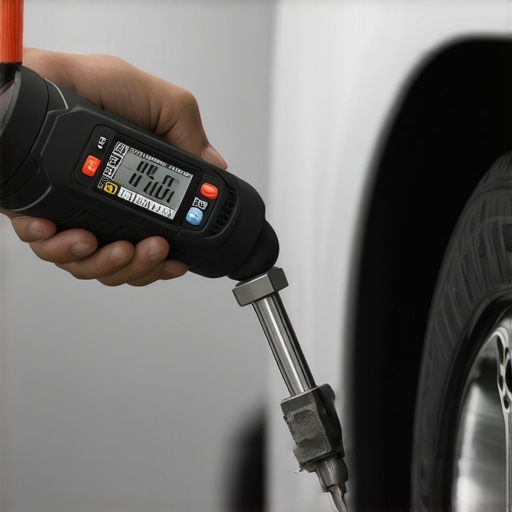
Always torque spark plugs to the manufacturer’s specification to prevent thread damage. Invest in high-quality plugs and wires, as cheap replacements can lead to misfires or poor performance. Proper torque is like tightening a bolt just enough to hold everything firmly without damaging threads; over-tightening can be as problematic as under-tightening.
Check and Replace Fluids
Drain and refill engine oil, coolant, brake fluid, and transmission fluid as per your vehicle’s service schedule. Use the recommended grade and type for optimal performance. Think of fluids as your car’s blood—if they are dirty or low, your vehicle can’t function properly. I once ignored coolant levels, leading to overheating, but regular checks kept my engine cool and reliable.
Inspect and Maintain the Brakes
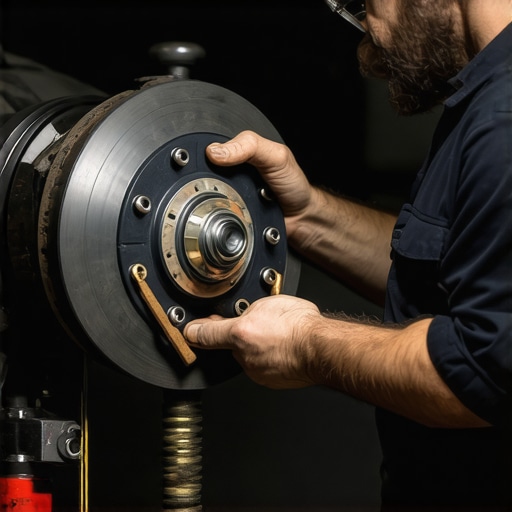
Brakes are your safety net. Check brake pads for wear—if they’re down to the wear indicators or less than 3mm thick, replace them. Examine rotors for deep grooves or warping. Bleed the brake lines if you notice spongy pedals or reduced stopping power. Proper brake maintenance is like sharpening your sword—ensuring it works perfectly when needed most. I replaced my brake pads and resurfaced the rotors simultaneously, drastically improving stopping response, which gave me more confidence on the road.
Adjust Timing and Idle Settings
Use a timing light to set the ignition timing according to your vehicle’s specifications. An accurate timing ensures efficient combustion, fuel economy, and smooth acceleration. Check and adjust the idle speed with the engine warm, ensuring it’s within the recommended RPM range. Think of it as giving your engine a gentle wake-up call—getting the settings just right prevents rough idling or stalling. I once mistakenly skipped this step, resulting in rough idling until I calibrated the timing correctly, which improved my drive significantly.
Test Drive and Fine-Tune
After completing the basic tune-up, take your vehicle for a test drive. Listen for unusual sounds, feel for vibrations, or notice any sluggishness. Use this feedback to make fine adjustments—rebalance the throttle, recheck timing, or inspect components again if needed. Remember, a tune-up isn’t a one-and-done task; it requires observation and slight tweaks. During my last tune-up, I noticed my engine hesitation during acceleration, which I fixed by adjusting the air-fuel mixture, restoring smooth power delivery.
Keep Records and Schedule Next Maintenance
Maintain a log of what you’ve done and when. Regularly scheduled tune-ups prevent unexpected breakdowns and keep your vehicle performing optimally. Refer to trusted resources like trusted auto repair tips to align your maintenance routine with manufacturer recommendations. A disciplined approach saves you money and prolongs your car’s life, turning maintenance from a chore into a responsible habit.

Many car owners operate under misconceptions that can lead to unnecessary expenses or even unsafe driving conditions. One prevalent myth is that a simple oil change suffices for comprehensive vehicle health. In reality, modern engines and components demand detailed attention and understanding of nuanced maintenance schedules. Overlooking these subtleties often results in performance dips, increased costs, and potential breakdowns.
Why the Myth That All Brake Pads Are Equal Is Misleading
countless drivers believe that all brake pads perform identically, but this couldn’t be further from the truth. There are variations in materials, wear rates, and heat tolerance that influence braking efficiency and longevity. For example, ceramic pads offer quieter operation and less brake dust but may cost more upfront. Opting for the cheapest option without considering these nuances can compromise safety and lead to more frequent replacements. Brands and maintenance strategies matter—review their differences and consult trusted resources such as trusted auto repair tips to avoid falling into this trap.
Beware of the Overconfidence Trap in Car Maintenance
One common mistake is to assume that if a vehicle runs smoothly, no further checks are necessary. This overconfidence can be dangerous—especially when it leads to ignoring subtle signs like irregular vibrations or decreased efficiency. For instance, misjudging the importance of finely tuned ignition timing or underestimating the impact of worn belts can result in unexpected breakdowns. Regular tune-up routines and diagnostics can reveal hidden issues before they become costly emergencies.
Making Sense of Advanced Car Service: The Expert View
Advanced auto repair involves understanding that not all repairs are visible or straightforward. For example, subtle misalignments or fine cracks in the suspension can silently affect tire wear and vehicle stability. Recognizing the importance of precision in parts like timing belts and sensor calibrations is crucial. Studies from automotive experts emphasize that detailed inspections and calibrated adjustments extend vehicle lifespan and ensure safety—so don’t settle for superficial fixes. Learning these nuances can give you a significant edge, saving you both money and stress in the long run.
Have you ever fallen into this trap? Let me know in the comments. Remember, investing in detailed knowledge about your vehicle’s needs and avoiding common myths is a key step toward safer, more reliable driving. For more insights, exploring trusted resources and consulting with skilled professionals can make all the difference—so don’t hesitate to seek expert advice.
< >
>