
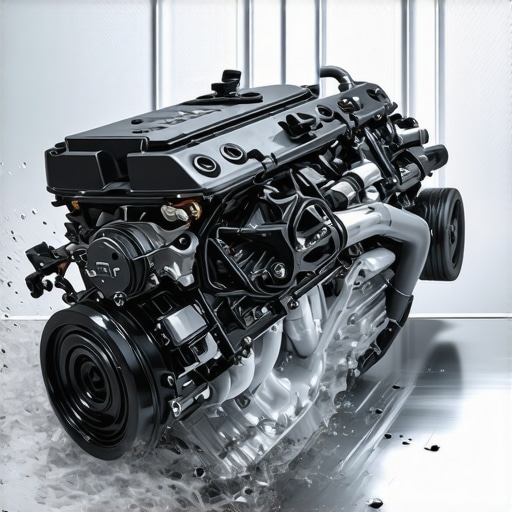
Early one morning, as I pulled out of my driveway, my engine sputtered and shuddered like an old dance partner refusing to cooperate. I grimaced, thinking about the long day ahead, worried that my commute might turn into a mechanical nightmare. That lightbulb moment hit me—how many of us ignore those little signs until they become a big problem? Engine shudder isn’t just an annoyance; it can be a sign that your vehicle’s performance is slipping, and if left unchecked, could cause costly repairs or even safety issues. I learned the hard way early on that ignoring routine tune-ups can turn a simple stumble into a breakdown during rush hour.
Why Your Engine Shudders and Why You Should Care
Engine shuddering during acceleration or at constant speeds is more than just a rough ride. It often points to underlying issues like spark plug wear, fuel delivery problems, or air intake blockages. These symptoms can lead to decreased fuel efficiency, increased emissions, and potential engine damage if not addressed promptly. With the rise of modern vehicle technology, these issues can sometimes be hidden beneath the surface, making regular tune-ups more crucial than ever. According to automotive experts, neglecting these signs can significantly shorten your engine’s lifespan and add to your repair costs down the line. For instance, a neglected spark plug can cause misfires, reducing the efficiency and power of your engine.
If you’ve ever experienced a rough, shuddering ride and felt frustrated, you’re not alone. I remember thinking, “Is this just an age thing or something I can fix at home?” Here’s the truth: timely maintenance can save you money, time, and a lot of stress. Today, I’ll share four tried-and-true tune-up fixes that can help smooth out your ride and extend your engine’s life. Before we dive into these solutions, ask yourself—have you noticed that little roughness or hesitation during your drives lately? If so, don’t dismiss it. Addressing these signs early is vital, and I promise, it’s easier than you think to keep your engine purring like a kitten.
Is Engine Shudder Worth the Fix or Just a Minor Worry?
Early in my car-owning days, I used to ignore these warning signs, thinking they were minor quirks. But I learned a harsh lesson—what seems minor today can turn into major repairs tomorrow. I also fell into the trap of rushing to the dealership, where unnecessary services often add up. A better approach is understanding what really matters—like proper tune-ups and targeted fixes. If you’ve been tempted to ignore that engine misfire or rough throttle response, I urge you to reconsider. Regular maintenance, including simple tune-ups, can be a game-changer, saving you money and extending your vehicle’s reliability. Curious to learn more? Check out trusted auto repair tips to keep your car in top shape and avoid the pitfalls of neglect.
Start with a Visual Inspection of Your Engine Components
Before diving into complex fixes, open your hood and examine visible parts like the spark plugs, air filter, and hoses. Loosened or damaged components can cause misfires or air intake issues leading to shuddering. During my last tune-up, I noticed a cracked air intake hose that was pulling in unfiltered air, which contributed to rough acceleration. Replacing it immediately restored smoother engine performance, and you can find detailed tips for performing effective tune-up procedures to keep your engine in top shape.
Clean or Replace Spark Plugs for Better Combustion
Spark plugs are essential for igniting fuel efficiently. Worn or fouled plugs can cause misfires and rough idling that feel like shudders. Remove your spark plugs with a socket wrench and inspect their condition—if they’re carbon-faked or eroded, it’s time for replacements. I personally replaced mine using a basic set and noticed immediate improvement in engine smoothness. For quality replacements, consult guides on trusted auto repair tune-up tips. Always replace all spark plugs simultaneously to maintain consistency.
Optimize Fuel Delivery by Checking Fuel Filter and Injectors
Clogged fuel filters or dirty injectors restrict fuel flow, leading to hesitation and shuddering. To address this, disconnect and inspect your fuel filter—replace it if you notice sediment or rust. Additionally, use a fuel injector cleaner additive regularly, or have a professional perform an injector cleaning. I once used a mixture of injector cleaner in my tank and saw a significant reduction in rough acceleration. Proper fuel system maintenance ensures your engine runs smoothly without hiccups, so consider scheduling professional fuel system service for thorough cleaning.
Check and Clean the Air Filter for Better Airflow
A clogged air filter starves the engine of fresh air, disrupting the combustion process. Remove the filter and inspect for dirt or debris; if it appears dirty or hasn’t been replaced in over 12,000 miles, install a new one. During my last air filter change, I noticed how much cleaner my engine sounded, and the ride became noticeably smoother. Regular replacement enhances engine efficiency and can prevent shuddering during acceleration. For cost-effective tips on auto repair tune-ups, ensure your vehicle breathes easy.
Review and Adjust Idle Settings if Necessary
Sometimes, engine shudder occurs at idle due to incorrect throttle body settings. This adjustment requires a diagnostic tool or professional expertise. However, some vehicles allow manual idle speed adjustments via screws under the hood—consult your owner’s manual for specific procedures. When my car’s idle was rough, I adjusted the screw slightly and achieved a much steadier engine. If unsure, seek professional help and consider professional tune-up services to fine-tune engine performance. Proper idle adjustment can eliminate many common causes of engine shudder.
Tackle Ongoing Issues with a Professional Service Visit
If your troubleshooting efforts don’t resolve the shudder, it’s time to visit a trusted auto mechanic. Persistent engine vibrations often indicate deeper issues such as timing problems, ECU faults, or sensor failures. Regular maintenance and diagnostics can catch these problems early, preventing costly repairs down the line. Remember, the goal is to keep your engine running smoothly and reliably, and expert assistance ensures that complex issues are diagnosed correctly and fixed efficiently—view more about expert auto repair strategies.
Many car owners believe that auto repair and maintenance are straightforward tasks best left to professionals, but that’s a misconception that can lead to costly mistakes. While trusting skilled mechanics is essential, understanding the nuances of your vehicle’s needs is crucial for making informed decisions. One common myth is the idea that all auto repairs are equal—that replacing brake pads, for instance, is a simple, one-size-fits-all fix. In reality, different brake systems require tailored approaches, and neglecting this can compromise safety and longevity. According to industry experts, such as those at trustedauto.com, misdiagnosing issues or opting for shortcuts during repairs often results in more severe problems down the line.
Beware of the trap of overlookingsmall but critical signs. For example, a squeaky brake can seem minor but might indicate underlying issues like warped rotors or worn-out calipers. Addressing these early can save hundreds in future repairs. Conversely, many fall into the trap of delaying maintenance because of misconceptions about costs—believing that postponing a service like an oil change or brake inspection won’t harm their vehicle. This mindset is risky; timely interventions keep your car running smoothly and prevent bigger failures.
What about the idea that routine tune-ups are unnecessary for newer cars? Many assume that modern vehicles, equipped with advanced sensors and computer-controlled systems, require less attention. However, [studies](https://glassfixauto.com/auto-repair-trusted-car-service-tune-up-tips-for-lasting-trust) show that even the latest models benefit from regular checks—especially critical parts like spark plugs, fuel systems, and filters. Skipping these can cause performance drops and higher fuel consumption, paradoxically costing more than standard tune-ups.
One of the most overlooked aspects is the importance of proper brake maintenance. Many drivers think brake pads alone are enough, but comprehensive brake service includes inspecting rotors, calipers, brake fluid, and hoses. According to trustedauto.com, neglecting these components can lead to reduced braking power and safety hazards. Regularly scheduled brake inspections, using proven strategies, ensure your vehicle stays responsive and safe for every trip.
Now, for the advanced reader:
Why does ignoring minor auto repair indicators sometimes lead to exponential damage?
The answer lies in understanding how interconnected vehicle systems are. Small issues—like a slight vibration or a dipping brake pedal—may seem insignificant but can signal deeper problems like hydraulic leaks or sensor failures. Experts concur that neglecting these signs allows problems to compound, causing more extensive damage and increasing repair costs. Research from automotive engineers emphasizes the importance of early intervention to maintain vehicle integrity and safety.
In summary, the key to avoiding common pitfalls in auto repair is a mix of informed awareness and proactive maintenance. Don’t fall for the myth that you can neglect routine care without consequences. Regular, targeted inspections and understanding your car’s specific needs can save you money and keep you safe on the road. Do you know the particular needs of your vehicle? Share your experiences in the comments, and remember—being proactive beats being reactive every time.Maintaining your vehicle’s performance over the years demands the right equipment and a disciplined approach. I personally rely on a few trusted tools that ensure my car stays in top shape, saving me time and money during repairs. First, a high-quality digital multimeter is indispensable for diagnosing electrical issues, such as battery health or sensor outputs. I prefer the Fluke 117 model because of its accuracy and durability, which I use regularly to check the charging system and troubleshoot complex electrical problems. Second, a reliable code scanner, like the Autel MaxiCOM, helps me quickly identify engine trouble codes without needing to visit a mechanic—especially useful when diagnosing shuddering or misfires early. These devices give me immediate insights, allowing me to decide whether a DIY fix or professional help is necessary. Third, a set of quality socket wrenches and screwdrivers simplifies routine tasks like replacing spark plugs or air filters. Using ergonomic tools with magnetic tips minimizes frustration and speeds up repairs. Looking ahead, as vehicle technology advances with hybrid and electric systems, diagnostic tools will need to evolve; smart OBD systems connected via Bluetooth and accessible through smartphone apps, like FIXD or BlueDriver, are paving the way for more accessible, real-time vehicle health monitoring. Investing in such tools not only accelerates troubleshooting but also enhances long-term maintenance strategy, preventing small issues from becoming costly repairs. To get the most out of your tools, I recommend regularly calibrating them and staying updated with manufacturer-specific repair guides. For example, a recent review from automotive experts emphasizes that combining digital diagnostics with knowledge from trusted sources can dramatically improve your auto maintenance results. Curious to try out a professional-grade code scanner? It’s an eye-opener that can expose hidden issues before they escalate, making it a worthwhile addition to any DIY toolkit. Remember, proactive maintenance and the right equipment are your best defenses against unexpected breakdowns on the road, especially as vehicles become more complex. Making this investment will pay off by keeping your car reliable for years to come.
Throughout this journey, I’ve realized that auto maintenance isn’t just about fixing what’s broken—it’s about understanding the subtle signals your vehicle sends and acting swiftly. The most valuable lesson I learned is that proactive care, guided by keen observation and the right tools, can dramatically extend your car’s lifespan and safety. Remember, every squeak, shudder, or hesitation is an opportunity to address minor issues before they turn into costly disasters.
What the Little Signs Taught Me About Saving Big
One of the most eye-opening lessons was recognizing how often small, overlooked indicators like a rough idle or a slight vibration signal deeper systemic issues. Responding promptly not only saved me money but also kept my confidence on the road. Sharing these insights could be the key to helping you avoid similar pitfalls and enjoy a smoother, safer driving experience.
Tools That Became My Auto Maintenance Allies
Investing in quality diagnostic tools like a dependable code scanner or a multimeter transformed my approach to vehicle care. They provided instant insights and empowered me to troubleshoot effectively, reducing dependence on costly professional visits for minor issues. Trusting these tools, combined with trusted guides, creates a first line of defense that every car owner should consider.
Embrace the Journey Towards Car Confidence
The road to reliable driving isn’t paved with guesswork but with informed decisions and timely maintenance. By mastering simple tune-up techniques and listening closely to your vehicle’s signals, you can make auto care a smooth, stress-free routine. Remember, your proactive efforts now will reward you with safer travels, fewer breakdowns, and a bond of trust with your car that lasts for years to come.
What small change will you make today to improve your vehicle’s performance? Share your plans below and let’s keep the conversation going about keeping our rides smooth and reliable!