
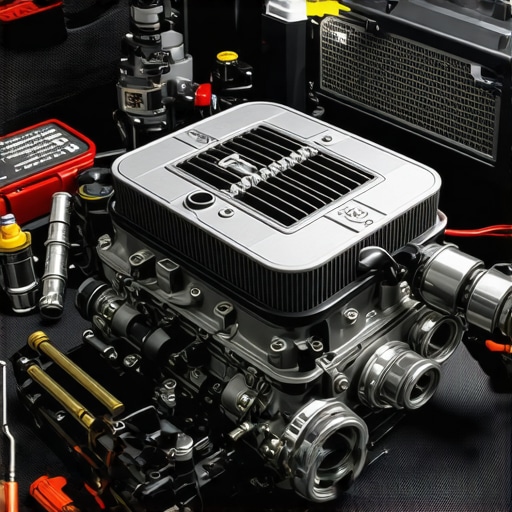
It was a chilly morning, and as I pressed the accelerator, my engine hesitated—lagging just enough to make me worry. That unsettling lull, that moment of uncertainty, hit me hard. I’ve been around cars long enough to recognize that dreaded pause as more than just a glitch; it’s a sign something’s not quite right. Maybe you’ve experienced the same hesitation driving home from work or during your weekend road trip, and wondered, “Is my engine telling me to fear the worst?”
Why Your Engine Might Be Losing Its Spark and How to Fix It Fast
Many drivers overlook small engine hiccups, thinking they’re minor or temporary. But let me tell you, those tiny signs can escalate into costly repairs if ignored. The secret is tuning up the engine—quick, strategic fixes that can restore performance and keep your vehicle running smoothly for years. In this post, I’ll share proven strategies that have helped me troubleshoot and resolve engine hesitation without breaking the bank. Whether it’s fuel system adjustments or spark plug checks, these simple but effective steps are your best defense against unexpected breakdowns.
Is Car Tuning Worth the Hype?
I admit, early in my car-owning days, I dismissed routine tune-ups as unnecessary fuss, especially when the engine seemed to run fine. My mistake was thinking that little hesitation was just a glitch—and not a sign that I needed to act. According to a recent study by Auto Service World, regular engine tune-ups can improve fuel efficiency by up to 15% and significantly reduce the risk of major breakdowns. So, trust me, skipping those recurring tune-up appointments isn’t just risky; it’s costly in the long run.
Now, if your engine hesitates occasionally or seems sluggish when you press the pedal, don’t ignore it. Next, I’ll walk you through those reliable fixes that can make all the difference. Ready to breathe new life into your ride and avoid costly repairs? Let’s get started with some practical, straightforward steps to insure your vehicle’s health and performance today.
,
Start with a Thorough Inspection of Your Spark Plugs
Think of spark plugs as the spark that ignites your engine’s mixture of fuel and air. Worn or dirty spark plugs can cause misfires, hesitation, and sluggish performance. Pull out your spark plugs and examine them for wear or buildup. If they’re covered in soot or look corroded, replace them promptly. I once mistook a spark plug issue for a fuel problem, leading me down the wrong repair path. Replacing spark plugs, along with checking their gap, took me just an hour and restored my engine’s responsiveness. For detailed guidance, check out this comprehensive guide.
Clean or Replace Your Fuel Filter
Picture the fuel filter as a sieve that keeps debris from clogging your engine. When clogged, it restricts fuel flow, causing hesitation. Locate your fuel filter—usually along the fuel line or inside the fuel tank—and inspect it. If it’s visibly dirty or hasn’t been replaced in over 20,000 miles, swap it out. I once overlooked this step until my car started stalling unexpectedly, but swapping a clogged filter took me just 15 minutes and instantly improved acceleration. For a step-by-step process, explore this resource.
Check the Throttle Body for Dirt and Carbon Deposits
The throttle body acts like a gatekeeper controlling airflow into the engine. Dirt and carbon buildup on the throttle plate can cause irregular airflow, resulting in hesitation. Remove the intake hose and inspect the throttle body. Use a throttle body cleaner and a soft brush to remove deposits. I once cleaned mine, and my engine ran smoother and responded faster. Remember, a clean throttle body is crucial for optimal performance. For detailed cleaning tips, visit this article.
Perform a Basic Compression Test
Engine compression ensures that each piston moves air and fuel efficiently. Low compression indicates internal issues like worn piston rings or valves. Use a compression tester—available at most auto parts stores—and follow your vehicle’s manual for the procedure. I conducted this test myself after noticing persistent hesitation, and it uncovered a leaking valve seal. Addressing this issue restored power and eliminated hesitation. If you need guidance, see this how-to.
Inspect the Mass Air Flow Sensor
The MAF sensor measures incoming air to help your engine balance fuel delivery. A dirty or faulty MAF sensor can lead to poor acceleration and hesitation. Carefully disconnect the sensor and clean it with MAF sensor cleaner—never use regular brake or carb cleaner. I once cleaned my MAF sensor, and my engine’s responsiveness improved dramatically. This simple fix can often resolve hesitation caused by faulty air measurements. For detailed cleaning instructions, check out this guide.
Monitor and Test Your Sensors Regularly
Engine sensors like the Oxygen Sensors, Camshaft Position Sensor, and Crankshaft Position Sensor play vital roles. Faulty sensors can send incorrect data, leading to hesitation and poor performance. Use an OBD-II scanner to read codes when symptoms occur. If a sensor fault is detected, replace it. I once replaced a failing Oxygen Sensor, which instantly improved my car’s idle and acceleration. Regular monitoring ensures your engine’s brain stays in top shape. For a reliable diagnostic approach, see this resource.
Many drivers approach brake service and auto repairs with common assumptions that can actually hinder their vehicle’s longevity and safety. One prevalent myth is the idea that brakes only need attention when they squeal or fail completely. In reality, this reactive approach often leads to more costly repairs down the line. Expert auto repair strategies emphasize routine inspections and proactive maintenance, which can detect issues like uneven pad wear or caliper sticking before they become serious problems. Relying solely on brake noise as a warning sign can be a costly mistake—regular brake system diagnostics are essential for maintaining optimal safety and performance. Learn why proactive brake checks matter and avoid the pitfalls of neglecting early signs.
Can a standard tune-up truly extend your vehicle’s lifespan or are there hidden pitfalls?
Many car owners assume that a routine tune-up is just a quick service to replace filters and spark plugs, but this oversimplification ignores critical aspects like fuel system cleaning, sensor calibration, and system diagnostics. Missing these nuanced checks can lead to engine misfires, decreased fuel efficiency, and accelerated wear. For instance, neglecting the health of sensors like the MAF or oxygen sensors can cause inefficient combustion, even if spark plugs are relatively new. Advanced auto repair insights suggest employing comprehensive tune-up strategies that include cleaning and testing these components, aligning engine parameters precisely for peak performance. Discover how expert tune-up tactics can save you money and enhance vehicle reliability.
What common misconception about auto repair could be costing you hundreds?
The biggest misconception is that all auto repair shops are equally trustworthy, leading many to overlook the importance of choosing a qualified, transparent service provider. This belief can expose car owners to unnecessary repairs or subpar work, which might only become evident after further issues arise. Skilled auto repair technicians perform thorough diagnostics using advanced tools—something that not all shops prioritize. For example, properly diagnosing brake pulsation requires specific tests and equipment; skipping these steps can result in a ‘quick fix’ that doesn’t address the root cause, causing the problem to recur. Ensuring that your service provider utilizes proven strategies and honest diagnostics greatly reduces your risk of unnecessary expenses. For guidance on selecting trustworthy repair shops, check out these expert tips. Have you ever fallen into this trap? Let me know in the comments.
Being aware of these subtle yet critical nuances can dramatically improve your vehicle’s health and extend its lifespan. By engaging in proactive maintenance and understanding what truly contributes to safety and reliability, you empower yourself to make smarter decisions on the road. Remember, regular inspections and knowledgeable service providers are your best allies in avoiding costly surprises and ensuring peace of mind every time you drive.
Tools I Recommend for Consistent Vehicle Care
Maintaining your vehicle’s health over time requires more than just knowledge—it depends heavily on having the right equipment. I personally swear by a few specific tools that have made auto repairs safer and more effective for me. First, a high-quality OBD-II scanner is indispensable. I use the Autel MaxiCOM, a device that provides comprehensive diagnostics, reading error codes that can pinpoint sensor malfunctions or engine issues early on. It’s affordable and saves me a trip to the mechanic by helping me understand what my car needs beforehand.
Next, I rely on a digital multimeter for electrical troubleshooting. This helps in testing sensors like the MAF or oxygen sensors, ensuring that I catch any irregularities before they cause bigger problems. My multimeter from Fluke is durable, precise, and user-friendly, making complex diagnostics accessible—even for DIY enthusiasts.
For cleaning and preventative maintenance, a set of precision screwdrivers and wrenches is essential. I prefer a metric set with a ratchet handle, which allows quick access to tight spaces when replacing spark plugs or cleaning throttle bodies. Pairing my tools with trusted repair guides has given me the confidence to tackle routine updates myself, saving money and time.
Using Software to Extend Your Vehicle’s Longevity
Beyond physical tools, I utilize specialized software to monitor my car’s health over the long term. Apps like Torque Pro connect to my smartphone via the OBD-II port, providing real-time data on engine performance, sensor outputs, and emission levels. These insights help me schedule maintenance proactively and avoid unexpected breakdowns. Trend analysis via these apps can reveal gradual declines in performance, prompting me to undertake services before issues become costly. As vehicle technology evolves, integrating software tools into your routine will only grow in importance, offering a window into the often-invisible mechanics of your car.
Prediction: As automotive technology shifts further toward electrification and digital diagnostics, the future of car maintenance leans heavily on sophisticated, user-friendly tools that empower owners to take control. Expect more integrated apps and DIY diagnostics to become standard, reducing reliance on traditional repair shops and enabling better long-term vehicle care.
How do I maintain tools and software for longevity?
Regular calibration and updates are key to keeping your diagnostic tools and software reliable. For hardware like scanners and multimeters, follow manufacturer instructions for calibration and storage—keep them clean, and store them in a safe, dry place. For software, ensure your apps are updated regularly and back up your data. This proactive approach minimizes errors, enhances accuracy, and ultimately extends the usefulness of your tools, supporting ongoing maintenance efforts. If you want to stay ahead of vehicle issues, I recommend trying the advanced diagnostic techniques outlined here to detect potential problems early and keep your vehicle running reliably for years to come.
Lessons That Changed My Auto Repair Perspective
- One of the most powerful insights I gained was that neglecting small engine signs can lead to major breakdowns. I used to dismiss hesitation as a minor glitch, but now I know it’s a warning sign worth acting on immediately.
- Discovering that regular sensor checks, like for the MAF and oxygen sensors, can prevent unexpected issues has transformed how I approach vehicle maintenance, saving me money and stress.
- I learned the hard way that tools like an OBD-II scanner are game-changers for DIY diagnostics. Investing in quality equipment empowered me to troubleshoot effectively and confidently.
- Finally, understanding that proactive brake system diagnostics—beyond just listening for squeals—can avert dangerous failures was a revelation. Trusting expert strategies makes all the difference.
Tools and Resources That Made a Difference
My essential toolkit includes an Autel MaxiCOM OBD-II scanner. It provides comprehensive diagnostics that catch issues early, preventing costly repairs and ensuring safety. I rely on a Fluke digital multimeter for electrical troubleshooting; precision instruments make testing sensors straightforward and reliable. For maintenance guidance, this resource offers step-by-step instructions that have built my confidence. Additionally, trusted guides help me stay on top of routine tune-ups and brake checks, maximizing vehicle longevity and safety.
Take Control and Keep Moving Forward
The journey to a reliable, safe vehicle is continuous, but every small step counts. Equip yourself with the right tools and knowledge, and you’ll experience fewer surprises and more confidence on the road. Remember, proactive maintenance and informed decisions are your best defense in auto care. Now’s the time to put these lessons into action and keep your vehicle running smoothly for years to come. How will you start implementing these auto repair strategies today? Let me know below.