
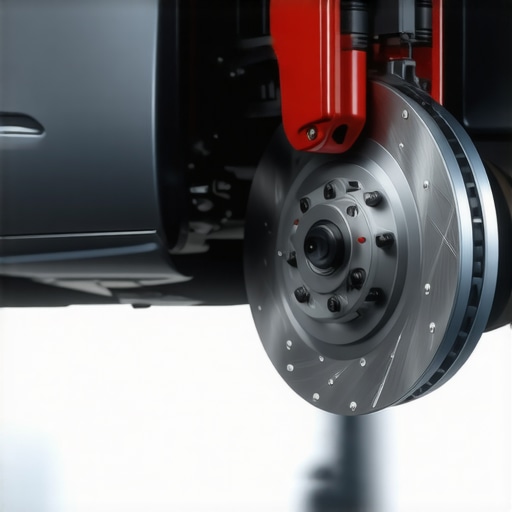
I remember the exact moment I realized my old brake setup wasn’t cutting it anymore. I was cruising down a busy street, the traffic was thick, and suddenly a car in front slammed on its brakes. I pressed mine, but the pedal felt spongy, and my stopping distance seemed much longer than it should have been. That uneasy feeling lingered—I knew I couldn’t ignore my brakes any longer. It was a lightbulb moment that pushed me to explore the best ways to upgrade my braking system for improved safety and confidence.
Why Upgrading Your Brakes Should Be a Priority Now
With the automotive landscape heading into 2026, vehicles are more advanced and demanding than ever. Modern drivers face new challenges, like increased vehicle weight and higher performance expectations. If you’ve felt your brakes falter during sudden stops or notice a decrease in responsiveness, you’re not alone. According to a recent study, inadequate brake performance significantly contributes to road accidents each year, costing lives and money. Upgrading your braking system isn’t just about better stopping—it’s about ensuring your safety and the safety of others.
But here’s the thing—many car owners make a critical mistake early on. I was guilty of this myself: rushing into a quick, cheap brake pad replacement without considering the larger system upgrades. That shortcut might save a few bucks upfront, but it often leads to more problems down the line, like uneven wear or reduced stopping power. To truly maximize your vehicle’s safety, a comprehensive approach is essential. That’s why I want to guide you through three effective brake service upgrades that can make a real difference in 2026 and beyond. Want to avoid the pitfalls I fell into? Keep reading, and you’ll uncover proven strategies for a safer, more reliable brake system.
Assess Your Current Brake System
Start by inspecting your brake pads, rotors, and fluid levels. Remove the wheels to gain clear access, and compare wear patterns to OEM specifications. If you notice excessive wear or uneven pads, it’s time for an upgrade. Use a flashlight and a pry bar to check thickness and look for signs of warping or cracking. Document your findings to inform your next steps.
Choose the Right Brake Components
Select high-quality brake pads suited for your driving style—ceramic for quiet operation and durability or metal for high-performance needs. When considering rotors, opt for vented or slotted designs to improve heat dissipation. Upgrading to braided brake hoses can prevent expansion under stress, maintaining pedal firmness. For enhanced stopping power, consider upgrading to larger diameter rotors and calipers, but ensure compatibility with your vehicle’s specifications. Remember, a holistic approach is essential; reliable brake service involves replacing or upgrading multiple components together.
Perform the Installation with Precision
Before beginning, ensure your vehicle is securely lifted with jack stands rated for your car’s weight. Use appropriate tools—socket wrenches, torque wrench, and brake caliper piston compressors—to avoid damaging parts. Remove the old components carefully, noting their orientation for correct installation of the new parts. When installing, tighten fasteners to manufacturer torque specifications, typically found in your service manual. An improper torque can lead to uneven wear or failure. For detailed guidance, check out top auto repair services for best practices.
Bleed and Test the Brake System
After installation, bleed the brake lines to remove air, which can cause spongy pedal feel. Connect a clear hose to the bleeder valve, apply firm pressure to the brake pedal, and open the valve to release trapped air and old fluid. Repeat until fluid flows clear and bubbles are gone. Then, refill with fresh, manufacturer-recommended brake fluid. Once complete, press the pedal to check for firmness, and perform a low-speed test drive to verify responsiveness. For troubleshooting common issues like pedal pulsing, see brake pedal pulsing solutions. Proper bleeding ensures your upgraded brakes deliver the stopping power you need.
Maintain and Monitor Your Upgrades
Post-installation, schedule regular inspections to monitor wear and fluid quality. Keep an ear out for squealing, grinding, or pulsing sensations, which indicate potential issues. Always follow a maintenance routine aligned with trusted brake service strategies. Proper upkeep not only prolongs component life but also guarantees consistent performance in critical moments.
While many car owners believe they understand the basics of tune-ups and brake service, there’s often a gap between perception and reality. One pervasive myth is that replacing a single component, like brake pads, suffices for optimal safety. However, as I’ve seen in reliable brake service, neglecting the overall system can lead to uneven wear and diminished performance. Advanced diagnostics reveal that comprehensive inspections, including rotor condition and fluid analysis, are crucial for lasting reliability.
How do you differentiate between superficial fixes and systemic upgrades?
Many assume that routine maintenance is purely preventative, but in reality, it’s an opportunity to address underlying issues before they escalate. For example, ignoring subtle signs, like a slightly spongy brake pedal, might seem harmless but can hide deeper problems such as warped rotors or compromised hoses. Studies by automotive safety experts underscore that proactive, holistic approaches significantly reduce repair costs and enhance safety. Rushing to replace parts without understanding the nuanced condition of auxiliary components is a common mistake that can jeopardize your vehicle’s integrity.
Another misconception is that all auto repair shops offer the same quality of service. The truth is, trustworthy auto repair demands skilled technicians who understand the intricacies of modern systems. Also, many forget the importance of correct torque specifications during component reinstallation. As emphasized in top auto repair services, improper torque can cause uneven wear or even component failure, leading to expensive repairs and safety risks.
From a maintenance perspective, it’s a mistake to underestimate the significance of fluid quality, especially brake fluid. Contaminated or degraded fluid not only hampers the hydraulic response but can accelerate corrosion inside calipers and rotors. Regular testing and timely flushing are often overlooked in routine service but are vital for maintaining brake responsiveness. Subtle signs like increased stopping distance or pedal feel changes should prompt a detailed inspection.
Advanced vehicle systems now incorporate sensors and electronic diagnostics that can preemptively warn you of potential issues. Ignoring these alerts can mean missing the warning signs that only an expert eye can catch, like micro-cracks in rotors or early-stage hose deterioration. Investing in a comprehensive diagnostic session, rather than piecemeal repairs, saves money and secures safety in the long run. Remember, consistent brake service and tune-ups help avoid costly emergency repairs later.
So, have you ever fallen into the trap of oversimplifying maintenance or relying solely on partial fixes? Let me know in the comments. Understanding these hidden nuances can make the difference between a safe, reliable vehicle and costly surprises on the road.
Must-Have Tools for Effective Brake Maintenance
To keep your brakes performing reliably, I rely on a few specific tools that have proven their worth over years of hands-on experience. A high-quality digital caliper allows me to quickly and accurately measure rotor thickness, ensuring I catch wear issues early before they escalate. I personally prefer the Mitutoyo digital caliper for its precision and durability. For bleeding brake lines, a porous brake bleeder kit with flexible hoses makes the process smoother and less messy, saving time and reducing frustration.
Another essential piece is a torque wrench that I calibrate regularly. Proper torque application is critical when reinstalling calipers and rotors to avoid uneven wear or damage, aligning with trusted auto repair strategies. For checking fluid quality, a simple brake fluid test strip helps me determine if a flush is needed, preventing hydraulic failure and corrosion. These tools, though simple, are instrumental in maintaining a reliable braking system over the long haul.
Leveraging Diagnostic Software for Long-Term Results
Beyond manual tools, I utilize diagnostic software like AutoPro that interfaces with vehicle OBD-II ports. This software provides real-time data on ABS functions, sensor health, and system error codes, giving me insights that go beyond what visual inspections can reveal. As vehicle electronics become more sophisticated, integrating diagnostics ensures I can identify hidden issues early, saving money and enhancing safety.
Looking ahead, I predict that automotive diagnostic technology will become even more integrated, perhaps with AI-powered analysis predicting failures before they happen. Staying updated with these advancements will be key for anyone committed to long-term vehicle health.
How do I keep my brake maintenance effective over time?
Consistent monitoring is vital. I schedule quarterly inspections, using my digital caliper to check rotor wear and fluid test strips to ensure brake fluid remains in optimal condition. Regularly updating my diagnostic software allows me to catch electronic discrepancies early, preventing costly repairs and ensuring safe driving. Implementing these practices consistently has proven to extend the lifespan of my brake components considerably. If you haven’t tried integrating diagnostic tools into your routine, now’s the perfect time to start—it’s a game changer for long-term reliability.
Lessons That Still Hit Close to Home
- One of the toughest lessons I learned was the danger of patchwork repairs. Rushing to just replace pads without inspecting rotors or hoses often leads to short-term fixes that cost more in the long run. Real progress comes from the big picture approach, not quick fixes.
- Another lightbulb moment was realizing that tools and diagnostics are game changers. Investing in a quality digital caliper or diagnostic software like AutoPro significantly elevates my ability to catch issues early and avoid roadside surprises.
- I’ve also learned that understanding system compatibility is crucial. Upgrading calipers, rotors, and hoses should be a coordinated effort—one bad match can negate the safety benefits you’re aiming for, emphasizing the importance of trusted sources like reliable brake service.
Tools and Resources That Keep Me Ahead
- The Mitutoyo digital caliper is a staple—precision is non-negotiable when measuring rotor wear. It’s a small investment that pays dividends over hundreds of repairs.
- My brake bleeder kit with flexible hoses, like the Porous Brake Bleeder Kit, simplifies the pesky process of removing air lines and ensures pedal firmness every time.
- Diagnostic software like AutoPro offers real-time system insights, alerting me to issues before they escalate, saving both money and safety in the long run.
- Finally, I keep a strong connection with top auto repair services that guide best practices and trustworthy recommendations tailored to modern vehicles.
Fuel Your Drive with Confidence and Passion
Taking control of your brake upgrades isn’t just about safety, it’s about empowering yourself to be proactive and informed. The road ahead is full of possibilities—whether tackling minor maintenance or major system overhauls, every step adds up to a safer, more reliable vehicle. Don’t wait for warning signs; start today and turn your car into the ultimate safe zone. What’s the first upgrade you’re planning to tackle? Let me know below, and happy driving!