
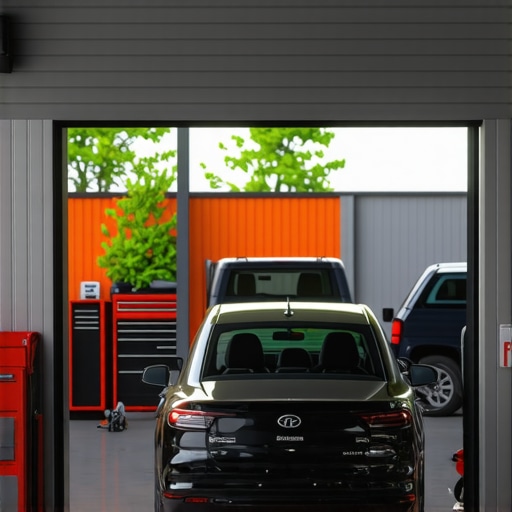
I remember the first time I genuinely freaked out about my car’s gas efficiency. It was a cold morning, and as I turned the ignition, my engine sputtered—a clear sign something was off. I was frustrated because I’d just filled up the tank the day before, yet my wallet was feeling lighter after every trip. That moment was a lightbulb for me: maintenance isn’t just about fixing what’s broken; it’s about prevention.
Why Paying Attention to Your Car Now Could Save You Big in 2026
With gas prices fluctuating and vehicle efficiency becoming more critical than ever, a few simple tune-up tricks can make a huge difference. I started exploring easy fixes that didn’t require me to be a mechanic—things I could do myself or with a quick visit to the shop. Believe me, these small tweaks have the potential to cut your gas costs significantly over the next year. In fact, neglecting routine tune-ups can lead to a 20-30% decrease in fuel economy, costing you more at the pump than you might realize. The Department of Energy reports that your vehicle’s performance drops noticeably if certain parts aren’t maintained regularly, which can pile up as a hefty expense over time.
So, are you tired of feeling like your gas budget is spiraling out of control, especially as we look ahead to 2026? If you’ve faced unexpected fuel surges and felt helpless, you’re not alone. The good news is that some simple, strategic tune-up fixes can turn the tide. Today, I’ll share the most straightforward methods I’ve used to keep my car running smoothly and efficiently, saving me hundreds of dollars each year. Ready to take control and cut those costs?
Is Ignoring Maintenance Worth the Risk?
Early in my car-owning days, I made a mistake many beginners do—I ignored minor issues, thinking they weren’t serious. A simple misfire or a squeaky belt seemed harmless until it worsened, costing me more in repairs and fuel. That experience taught me the importance of proactive maintenance. If you’re wondering whether these small tune-up steps are worth your time or money, just consider this: regular care prevents big, costly repairs down the line and keeps your vehicle running at peak efficiency. Don’t fall into the trap of thinking it’s easier to ignore the signs—because it isn’t.
Stay tuned. We’ll delve into five quick, easy fixes you can do or request from your auto technician to maximize your efficiency and save big on gas in the upcoming years. And if you’re curious about comprehensive auto care strategies, check out top auto repair services that keep your vehicle performing at its best.
Start with a Thorough Inspection of Critical Components
My first real step in improving my car’s efficiency was a detailed inspection. I scheduled a visit with a trusted mechanic who used diagnostic tools to identify underperforming parts. Think of this as a doctor’s check-up for your vehicle—spotting issues early prevents costly breakdowns later. During my inspection, we focused on the air filter, spark plugs, and fuel injectors because these are the main gateways for fuel combustion efficiency. Regularly checking these parts ensures nothing is clogging the system, which can drastically reduce fuel economy.
To do this yourself, start by visually examining the air filter—if it’s dirty or clogged, replace it. For spark plugs, consult your vehicle’s manual for replacement intervals, typically every 30,000 miles. Fuel injectors can be tested using ultrasound cleaning, or simply by noting poor engine response. Investing in professional diagnostics once a year can save you from guesswork and help maintain optimal performance.
Optimize Air Intake and Exhaust Systems
Clean or Replace the Air Filter
Leaving a dirty air filter in your car is like trying to breathe through a straw—it hampers airflow and makes your engine work harder. When I replaced my filter, my engine ran smoother, and my gas mileage improved. This simple step is often overlooked but has an immediate impact. Find your model’s air filter location, remove the old one, and insert a new filter compatible with your vehicle. Check for dirt and debris regularly—clogged filters reduce airflow and cause the engine to burn more fuel.
For a deeper upgrade, consider a high-performance air intake system that improves airflow and power, but for immediate results, a clean filter is enough. Keep in mind that a well-maintained exhaust system, including inspecting for leaks or rust, ensures efficient exhaust flow, reducing backpressure and improving fuel economy.
Monitor and Maintain Fuel System Health
During my own experience, dirty fuel injectors caused misfires and poor mileage. I learned that using injector cleaner additives every 10,000 miles can keep these components functioning optimally. Additionally, always buy high-quality fuel—cheaper fuels often contain impurities that clog injectors and filters.
To verify injector performance, listen for irregular engine sounds or check engine light warnings. If your vehicle misses or stalls, a professional cleaning might be necessary. Regular fuel system maintenance ensures the engine receives proper fuel atomization, which translates to more complete combustion and better mileage.
Check and Adjust Tire Pressure Regularly
One of the most undervalued steps is maintaining proper tire pressure. I caught myself ignoring this until I noticed my car was sluggish and my gas gauge was dropping faster. Using a reliable tire gauge, ensure all tires are inflated to the manufacturer’s recommended PSI, found in your owner’s manual or on a sticker inside the driver’s door. Properly inflated tires reduce rolling resistance, meaning less effort from the engine and improved miles per gallon.
In my experience, adjusting tire pressure every month, especially before long trips, resulted in noticeable savings. Remember, overinflated tires can be dangerous and wear unevenly, so stick to the recommended pressure for safety and efficiency.
Practice Smooth Driving Techniques
Lastly, how you drive significantly affects fuel efficiency. Abrupt acceleration and hard braking act like repetitive stress on your engine, decreasing efficiency. I adopted a habit of accelerating gently and anticipating stops, which made my drives smoother and cut fuel costs. Keep your speed steady, use cruise control on highways, and avoid idling for long periods whenever possible.
Each of these steps, when applied consistently, works synergistically. Over time, I saw my gas bills shrink and my car operate more reliably. The investment in routine maintenance is evident: a well-tuned vehicle not only saves money but also extends its lifespan, keeping you safe and efficient on the road in 2026 and beyond.When it comes to brake service and car maintenance, many drivers operate under misconceptions that can cost them time, money, and safety. Everyone tends to focus on replacing worn-out parts, but there’s a profound nuance often overlooked: the importance of diagnosing issues correctly before jumping into repairs. For example, a squealing brake might seem straightforward—just replace the pads—but in reality, it could indicate underlying problems like warping rotors or insufficient hydraulic pressure, which require a different approach. Relying solely on visual cues or symptoms without understanding these nuances can lead to prematurely replacing parts that still have life left, or worse, overlooking critical safety concerns. An expert brake service recognizes these signs and emphasizes comprehensive diagnostics over quick fixes.
Another misconception is the belief that routine tune-ups are just about replacing spark plugs and filters. While those are parts of the process, the real hidden nuance is understanding the vehicle’s operating patterns and diagnosing performance irregularities that might signal deeper issues—like faulty sensors or ignition system faults—that aren’t immediately visible. Missing these signs can lead to ongoing inefficiencies, increased emissions, and reduced engine lifespan.
People often ignore the significance of advanced diagnostics tools. These technologies can uncover problems that are invisible to the naked eye but critical for preventive maintenance. For instance, onboard diagnostic systems can flag issues with fuel efficiency or emission controls long before they manifest as noticeable symptoms, giving you a chance to address them proactively. Failing to utilize such tools leaves a blind spot in your maintenance routine, setting you up for costly repairs down the line.
So, what about the dreaded myth that “if it’s not making noise or shows a warning light, I don’t need repairs”? That’s a dangerous myth. Hidden issues, like internal engine wear or brake caliper corrosion, can quietly degrade performance and safety. Regular, expert inspections—going beyond just the basics—are essential to catch these nuances early. An auto repair expert knows how to interpret subtle signs and recommend targeted interventions.
Now, considering these points, ask yourself: Are you truly informed about what your vehicle needs, or are you operating on assumptions? Remember, understanding the nuances behind car repairs isn’t just about saving money—it’s about ensuring your safety and vehicle longevity. Have you ever fallen into this trap? Let me know in the comments. Keep your car running reliably by staying educated and trusting experts who understand the complexities below the surface.
Investing in Reliable Tools for Auto Maintenance
Over the years, I’ve found that having the right equipment can transform your approach to auto repair and maintenance. A high-quality torque wrench, for example, ensures that you’ve tightened bolts to the manufacturer’s specifications, preventing future issues caused by over- or under-tightening. Personally, I rely on a digital torque wrench from Click Torque because of its precise digital readouts, which eliminate guesswork and help me avoid damaging sensitive components. For diagnosing engine problems, I use an OBD-II scanner like the Autel MaxiCOM, which provides comprehensive vehicle codes and real-time data, making it easier to catch issues early before they escalate.
Having these tools on hand not only speeds up repairs but also increases confidence in your DIY skills. Plus, they save money in the long run by enabling precise repairs and preventive maintenance. As automotive technology advances, tools like diagnostic scanners are becoming more sophisticated, allowing you to access factory-level data even as vehicles become more complex. Investing in good equipment now prepares you for upcoming challenges in car maintenance and keeps your vehicle running smoothly year after year.
Software Solutions That Simplify Vehicle Upkeep
Alongside physical tools, software plays a crucial role in maintaining a vehicle’s health. I personally use OBDLink, a smartphone-compatible app that connects wirelessly with my scanner, providing instant diagnostics and error code explanations. This app helps me track ongoing issues, monitor sensor data, and even schedule reminders for upcoming maintenance intervals, such as spark plug replacements or fluid changes. With these insights, I can coordinate better with my mechanic or handle minor fixes myself, reducing downtime and costs.
The future of auto maintenance lies in accessing real-time data and predictive analytics. Emerging platforms are now integrating vehicle data with machine learning algorithms, forecasting potential failures before symptoms appear. Early adoption of such systems can prevent failures that might leave you stranded or cause expensive repairs. Tools like trusted diagnostic apps are especially helpful for DIY enthusiasts aiming to stay ahead of problems and extend their vehicle’s lifespan.
Maintaining Your Gear Over Time
To ensure your tools remain accurate and effective, regular calibration is vital. Torque wrenches, in particular, can lose calibration over time, leading to inaccurate torque readings. I recommend checking the calibration with a certified calibration service annually or after a substantial number of uses. For software, keeping the app updated guarantees compatibility with the latest vehicle models and access to new features, giving you an edge in maintenance routines. These practices maximize your investment, ensuring the tools provide consistent performance and reliable diagnostics for years to come.
How do I keep my maintenance tools functioning well over time?
The key is routine calibration and updates. Calibrate your torque wrench at least once a year or after completing a set number of repairs, using a calibration service or a known torque standard. For software, enable automatic updates and regularly back up your data to prevent losing crucial information. Additionally, store physical tools in a dry, clean environment to avoid corrosion and damage. By proactive care of your equipment, you’ll maintain precision and efficacy, which can directly translate into better, safer vehicle performance. For more advanced techniques, consider exploring auto repair specialist strategies that utilize diagnostic technology to diagnose and fix issues early.
Make it a habit to review your toolkit and software setup before each maintenance session. These investments—both monetary and effort—pays off as they enable you to address challenges more confidently and maintain your vehicle’s performance over the long haul. Ready to test out one of these tools or methods? Try calibrating your torque wrench this weekend or exploring a new diagnostic app. Your car—and wallet—will thank you.
The Surprising Lessons That Changed My Approach to Auto Care
One of the most eye-opening realizations I had was how much I was unknowingly leaving money on the table by neglecting seemingly minor maintenance tasks. For instance, I once ignored a slow-engine response, thinking it was just a quirky glitch. Turns out, that small delay was a sign of deeper issues, and without proper diagnostics, I could have faced costly repairs down the line. That experience taught me the importance of listening to my vehicle and trusting experts who recognize the subtle signs of wear and tear.
Another lesson was understanding that routine checks—like tire pressure and fluid levels—aren’t just chores; they’re investments in safety and efficiency. Failing to address these basic aspects can lead to reduced fuel economy, premature component failure, and even dangerous driving conditions. The real lightbulb moment was realizing that proactive maintenance, backed by accurate diagnostic tools, can prevent major breakdowns and save hundreds, if not thousands, in repairs over the vehicle’s lifespan.
A third insight was the misconception that DIY fixes could replace professional tune-ups. While basic maintenance is accessible, complex issues require a trained eye and specialized tools. Recognizing this has motivated me to seek trusted services like top auto repair services that prioritize diagnostics and preventive care. That way, I avoid emergency repairs and keep my car running smoothly well into the future.
The Easy Steps That Make a Big Difference
From my experience, simple actions like maintaining proper tire pressure, replacing filters, and scheduling annual inspections with professional technicians are game-changers. Using a quality diagnostic scanner helps me catch minor issues before they escalate, turning potential problems into opportunities for repair rather than crisis. Incorporating these small, consistent efforts ensures your vehicle performs reliably for years. Want to learn more? Explore trusted maintenance strategies that will empower you on your auto care journey.
Let’s Make Safe Driving a Priority in 2026
Taking proactive steps now for your car’s maintenance isn’t just about saving money—it’s about safety, confidence, and peace of mind. Regular tune-ups and diagnostics are the foundation of a trusted vehicle, reducing the risk of breakdowns and accidents on the road. As we look toward 2026, making these habits part of your routine can turn your vehicle into a reliable partner that supports your adventures and daily routines. So, are you ready to take control of your auto care and avoid unnecessary expenses? Your car—and your wallet—will thank you.