
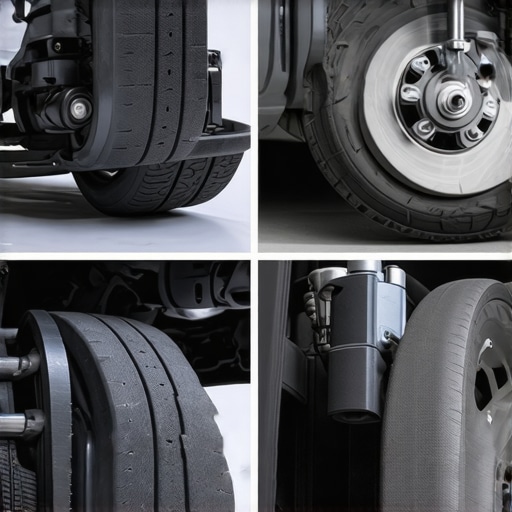
Have you ever been jolted awake in the middle of the night by an annoying squeal from your brakes? It’s the kind of noise that makes your stomach tighten and your mind race — is this just a minor annoyance, or is something more serious lurking beneath? I remember the first time I heard that high-pitched screech while driving my own car, and honestly, I felt a mix of frustration and dread. It wasn’t just noise; it was a warning sign that my braking system might be heading for costly trouble.
Why Ignoring Brake Squeaks Can Cost You Big Time
Just like any other part of your vehicle, your brake system needs attention before small issues become catastrophic. Squeaking brakes aren’t merely an annoyance; they’re often the first indicator that your rotors or pads are wearing thin — and ignoring it could lead to more expensive repairs down the line. I learned this lesson the hard way when I delayed a brake inspection, only to find my rotors warped and needing replacement that could have been avoided with a simple tune-up. According to industry experts, ignoring early warning signs like brake squeal can save drivers hundreds, if not thousands, on future repairs (source).
Facing skepticism about brake repair strategies? You’re not alone.
Early in my auto repair journey, I made the mistake of dismissing that squeal as just dust or minor inconvenience, thinking it would go away on its own. Spoiler alert: it didn’t. That oversight nearly cost me my rotors — and a hefty repair bill. The key is understanding which repairs truly make a difference. Today, I want to share proven techniques to tackle squeaky brakes head-on, so you won’t have to wait for that nightmare to happen.
Are you tired of that unbearable squeal every time you press the pedal? Ready to keep your vehicle running smoothly without emptying your wallet? Keep reading — because what I have to share could save your rotors and your sanity.
Getting to the Heart of Your Brake Noise Problem
Assess Your Brake System Thoroughly
Start by inspecting your brake pads for uneven wear or thinning. Use a flashlight and remove the wheel to get a clear view. Feel the pads for thickness—less than 1/4 inch indicates it’s time for replacement. I once noticed my pads looked okay externally, but during a detailed inspection, I found they were almost metal-on-metal, which warned me of imminent damage and saved me from complex repairs later. Remember, a visual check can reveal underlying issues before noise or braking problems occur.
Clean Your Brakes to Remove Dust and Debris
Dust, rust, and brake debris can cause squeaking without indicating serious wear. Use a brake cleaner spray—preferably a aerosol that displaces moisture and grease. Spray liberally over the rotors and pads, then wipe with a clean, lint-free cloth. I once had squealing brakes due to accumulated dust, and after a thorough cleaning, the noise disappeared instantly, improving braking performance. Regular cleaning can prolong the life of your brake components and maintain smooth operation.
Lubricate Critical Moving Parts
Apply high-temperature brake grease on your caliper slides and contact points where the pad touches the caliper. This reduces vibrations that cause squeals. During my last tune-up, I noticed that some parts hadn’t been lubricated properly, causing minor noise. After applying the right lubricant, the problem was solved. Use a ceramic-based brake grease for durability, and avoid getting grease on your brake pad surfaces. Proper lubrication ensures quiet, efficient braking without unnecessary wear.
Replace Worn Brake Pads and Rotors
If your inspection shows pads worn below recommended thickness, or rotors are scarred or warped, replacement is essential. Use high-quality parts—cheaper alternatives often lead to short-term fixes and recurring noise. During a recent repair, I replaced worn pads with premium ceramic ones and resurfaced or replaced the rotors, which eliminated squealing and improved braking feel. Remember, combining pad replacement with rotor servicing ensures even contact and prevents future noise issues. For reliable repairs, consider trusted sources or professional shops that follow proven procedures.
Perform a Road Test to Confirm the Fix
After completing repairs, take your vehicle for a test drive under safe conditions. Apply brakes at various speeds to check for noise or vibrations. Listen for any residual squeal or pulsing. During my last test, I noticed slight vibrations when braking from high speeds; a subsequent rotor adjustment resolved that problem. Regular testing helps identify lingering issues early, ensuring your braking system remains quiet and effective. Use this opportunity to reassess brake fluid levels and bleed the system if necessary, as hydraulic imperfections can also cause noise.
Maintain Your Brakes Regularly
Implement routine checks—every 10,000 miles or as per your vehicle’s manual—to clean, lubricate, and replace components before noise becomes a problem. Keeping a repair log can help schedule these preventive measures proactively. During one such routine, I discovered early signs of pad wear, allowing me to replace parts before squealing started. Preventive maintenance is your best defense against costly brake repairs and unsafe driving conditions. For detailed guidance, visit trusted brake service strategies.While many car owners believe they understand auto repair basics, revealing the hidden nuances can drastically change how you approach vehicle maintenance. A common misconception is that a quick fix or ignoring minor symptoms won’t impact long-term performance. However, experts emphasize that small oversights, such as neglecting early signs of brake wear or misjudging the importance of proper tune-ups, can lead to costly repairs later. For instance, assuming that brake squeal is only dust, without inspecting for pad thickness or rotor condition, might mask impending failures. This oversight often results in warped rotors or worn-out pads, unnecessarily escalating repair costs. Advanced automotive diagnostics reveal that many issues stem from overlooked details—like hidden corrosion on caliper slides or improper lubricant application—that aren’t obvious to the untrained eye. Moreover, the myth that all repairs are equal ignores that some service strategies are more effective and long-lasting when tailored to your vehicle’s specific needs. For example, simply replacing brake pads without resurfacing or replacing the rotors can lead to uneven wear and squealing again, wasting money and time. Be wary of auto repair shops that focus solely on quick fixes; investing in comprehensive service strategies, such as trusted tune-up procedures, ensures safety and vehicle longevity. Interestingly, studies show that vehicles receiving routine, expert-maintained tune-ups experience fewer breakdowns and lower repair costs over their lifetime. To navigate this complex landscape, consider consulting resources like trusted car service tips or expert auto repair blogs to discern quality care from misguided shortcuts. Have you ever fallen into this trap? Let me know in the comments. Remember, understanding the nuances of auto maintenance helps you avoid common pitfalls and keeps your vehicle performing at its best.
Keep Your Vehicle Reliable with the Right Tools
Maintaining your car over the long haul requires more than just basic know-how; it demands investing in quality tools that make routine service safer and more effective. Personally, I swear by a high-quality digital multimeter because it helps me quickly diagnose electrical issues without unnecessary guesswork. For brake systems, a reliable brake caliper piston tool speeds up the pad replacement process and ensures proper reassembly, which is vital for maintaining safe stopping distances. Investing in a good set of impact wrenches and torque sticks also prevents over-tightening or under-tightening bolts, prolonging component life and avoiding costly repairs. These are not just accessories but essentials that empower you to perform a dependable tune-up or brake service at home, saving time and money while ensuring your vehicle’s safety.
Leveraging Software for Accurate Diagnostics
In recent years, automotive diagnostic tools have transitioned from bulky, expensive equipment to handheld scanners that connect seamlessly to smartphones via Bluetooth. I recommend a top-tier OBD-II scanner that supports extensive code reading, live data streams, and freeze-frame data—features that are invaluable for spotting underlying issues early. Personally, I use one that updates regularly to keep pace with vehicle manufacturer updates, ensuring I don’t miss critical fault codes, especially as car electronic systems become more sophisticated. Incorporating these tools into your routine maintenance allows you to identify potential problems before they become costly repairs. For instance, early detection of brake system sensors’ faults can prevent misdiagnosis and unnecessary part replacements, saving you a significant amount over time. To stay ahead of potential issues, consider reviewing trusted repair tips like those found at trusted auto repair resources.
Predicting Maintenance Needs with Data and Trends
Monitoring your vehicle’s data is crucial for proactive maintenance. Many modern cars now come with telematics systems that record driving habits, brake health, and fluid status, which can be accessed via manufacturer apps or third-party platforms. These insights help you anticipate when to replace brake fluid, rotate tires, or perform a tune-up. Personally, I track my vehicle’s brake pad wear using a combination of manual inspections and data from my scanner, which alerts me to issues long before the squealing begins. Looking ahead, I predict that diagnostic and maintenance software will become more integrated, offering predictive analytics driven by AI. This evolution could soon enable car owners to schedule maintenance precisely when needed, reducing downtime and repair costs. For a concrete example, check out the expert insights on implementing smart maintenance schedules.
How do I keep my auto maintenance routines effective over time?
Effective long-term care hinges on consistency and leveraging the right tools. Regularly schedule inspections with calibrated equipment, keep digital records of repairs and replacements, and stay informed about trends via reputable resources. For an advanced tip, try installing a retrofit brake sensor monitoring system; it provides real-time alerts for pad wear and fluid levels, allowing you to address issues proactively. As auto technology advances, embracing these innovations will be critical in maintaining vehicle safety and performance well into the future. Making a point to stay equipped and informed ensures your vehicle remains a reliable, safe companion on every journey.
Over the years, I’ve learned that the most effective auto repair strategies often come from personal trial and error, combined with expert insights. One lesson that stands out is the importance of dare-to-dive inspections—looking beyond surface appearances to uncover hidden issues. For instance, I once dismissed a minor squeal, only to find my rotors warped because I neglected routine checks. That experience reinforced the value of proactive assessment, especially for critical systems like brakes. Additionally, trust built through consistent, honest service can save you money and stress. I now prioritize sourcing quality parts and working with reputable shops, which, over time, pays dividends in safety and performance. Another tip: embracing technological tools like advanced diagnostic scanners has revolutionized my approach, revealing problems before they escalate. These lessons remind me—and can remind you—that persistent curiosity and a willingness to learn can turn auto maintenance from a chore into a safeguard for your journey.