

Everyone’s been there—driving along, feeling that unsettling sponginess in the brake pedal or hearing a strange squeal that just won’t quit. I remember one trip where I brushed off the warning signs until my brakes finally gave out at a red light. That moment was a slap of reality—trust me, ignoring brake issues is the fastest way to turn a fun road trip into a nightmare. If you’re planning those big 2026 adventures, I guarantee your vehicle needs some attention before hitting the open road.
### Why Staying Ahead of Brake Wear Saves You Money and Safety
As someone who’s spent way too much time under cars (and sometimes on the side of the road), I can’t stress enough the importance of recognizing early signs of brake trouble. It’s not just about avoiding costly repairs; it’s about ensuring your safety and peace of mind during long drives. Regular brake maintenance can prevent accidents caused by delayed stopping power or brake failure. Plus, catching issues early often results in much lower repair costs—saving you plenty in the long run.
**Have you noticed any of these signs creeping up on your vehicle?** If yes, don’t worry—there’s a straightforward way to diagnose and treat them. Today, I’ll walk you through the four most common signs your brakes are crying out for attention, backed by proven strategies to keep your vehicle running smoothly for your 2026 road trips and beyond. Ready to avoid being stranded or facing expensive repairs? Let’s dive in.
#### Is Brake Service Really Necessary, or Just a Marketing Gimmick?
I used to think brake maintenance was optional unless I heard squealing or felt steering vibrations. Turns out, that’s a rookie mistake. I once ignored a minor shudder during braking, which later led to warped rotors and a hefty repair bill. Early detection and regular service make all the difference. If you want to learn more about effective brake strategies, check out [these proven techniques](https://glassfixauto.com/brake-service-auto-repair-proven-strategies-for-safe-reliable-drives-3).
Now, let’s get into the signs that tell you it’s time to see your mechanic—before things get serious. Recognizing these early can save you from dangerous failures and keep your car running reliably for many more miles.
Inspect Your Brake System Regularly
Start by visually checking your brake components—look for worn brake pads, cracked rotors, or signs of leakage around brake lines. During my last maintenance session, I parked on a flat surface, jacked up the car securely with jack stands, and removed the wheels to get a clear view. I noticed some light rust on the rotors but no significant damage, which informed my next steps.
Use the Correct Tools and Safety Equipment
Gather essential tools: a jack, lug wrench, brake caliper piston tool, screwdrivers, and a brake cleaning brush. Wearing safety glasses and gloves is a must to protect yourself from brake dust and moving parts. Working in a well-ventilated area also prevents inhaling harmful particles. Remember, a well-prepared workspace makes repairs safer and more efficient.
Remove and Replace Worn Brake Parts
Loosen lug nuts before lifting the vehicle, then remove the wheel. Next, unbolt the caliper mounting bolts—be cautious, as springs or clips might be in place. Support the caliper with a bungee cord or wire to avoid stressing the brake hose. If your brake pads are thin ( Using a brake caliper piston tool or an C-clamp, gently press the pistons back into the caliper housing. This step is crucial when installing new thicker brake pads. During my experience, I found that applying even pressure avoids damaging the caliper. If you encounter resistance, verify that the pistons are moving freely and check for corrosion or damage. Position the new brake pads into the caliper, aligning the clips and ensuring they sit flush. Mount the caliper over the rotor and tighten the mounting bolts to manufacturer torque specifications. Insert and tighten the lug nuts onto the wheel in a star pattern to distribute pressure evenly, then lower the vehicle and finish tightening the lug nuts incrementally. Before hitting the road, pump the brake pedal until it feels firm. A short test drive with gentle braking helps bed-in the new pads and rotors, ensuring optimal contact and braking efficiency. During my last brake job, I learned that proper bedding extends rotor lifespan and improves stopping power, crucial for safe driving in 2026. Adopt proactive habits like checking brake fluid levels and inspecting brake lines periodically. Follow this [checklist of essential tune-up habits](https://glassfixauto.com/7-pro-tune-up-habits-to-save-your-engine-in-2026-checklist) to prevent minor issues from escalating. Remember, catching signs early, such as squealing or soft pedal feel, can save you from costly repairs and ensure safety on your next road trip. A hidden nuance often overlooked is the importance of diagnosing the root causes rather than just addressing superficial symptoms. For example, replacing brake pads without inspecting rotors or calipers might provide temporary relief but can lead to uneven wear or further damage. This is where advanced diagnostics come into play, utilizing tools and methods that many dismiss as unnecessary or excessive. This myth persists partly due to a lack of understanding or the intimidation factor of complex repairs. However, studies like those from the Automotive Service Association reveal that neglecting proper diagnostics can double repair costs within a year. The key is to recognize that true auto care involves inspecting the entire system, which can be achieved by following comprehensive checklists like this maintenance checklist. An advanced mistake many make is over-relying on outdated knowledge. For instance, some drivers believe that brake fluid alone determines brake performance. Yet, expert insights confirm that the condition of rotors, calipers, and even brake lines equally impacts safety. Recognizing these interconnected factors is crucial. You might consider reviewing trusted tips from specialists to update your understanding. Furthermore, avoiding the trap of ignoring the significance of quality parts is vital. Installing cheap replacements might seem cost-effective initially but can compromise safety and durability. Always opt for parts tested and recommended by Certified Auto Repair Professionals, as highlighted in industry guides. Integrating advanced knowledge into your vehicle care routine reduces the risk of sudden failures and costly emergencies. It also enables you to communicate effectively with mechanics, ensuring transparent and fair service quotes. Have you ever fallen into this trap of believing maintenance is optional or only reactive? Let me know in the comments and share your experiences with avoiding the common pitfalls of auto repair.Keeping your car in top shape requires more than just routine visits to the shop; it demands the right tools, a solid knowledge base, and proactive strategies. Over the years, I’ve refined my toolkit to ensure I can perform effective tune-ups and brake services, even in less-than-ideal conditions. One indispensable item is a digital infrared thermometer, like the Fluke 62 Max+, which I personally use to check brake rotor temperatures during braking tests. This helps me identify uneven heat distribution indicative of issues such as warped rotors or sticking calipers, enabling precise diagnostics without unnecessary parts replacement. Another essential is a compact OBD-II scanner—my go-to is the BlueDriver device. It connects seamlessly to my smartphone, allowing me to quickly read and clear diagnostic trouble codes, view live sensor data, and monitor vehicle systems in real-time. This rapid access to engine and transmission data significantly reduces diagnostic time and prevents overlook of subtle issues that could escalate into costly repairs. For brake inspections, I rely on a set of precision feeler gauges and a brake caliper piston tool. The gauges help me measure pad thickness accurately, while the piston tool ensures I can compress calipers evenly when installing new pads. Having these tools on hand saves time during routine maintenance and enhances safety by guaranteeing proper assembly. In addition, staying updated with software patches and technical bulletins from manufacturers and trusted sources like the ASE (Automotive Service Excellence) database ensures I act on the latest best practices and recall information. Continuous learning is vital, especially as vehicles become increasingly complex with hybrid, electric, and automated systems. Looking ahead, the trend points toward integrating artificial intelligence and machine learning into vehicle diagnostics—think predictive maintenance driven by data analytics. Automakers and independent shops alike are adopting tools that not only read codes but analyze patterns and predict failures before symptoms appear. This approach shifts maintenance from reactive to proactive, vastly enhancing vehicle longevity and safety. Finally, I recommend trying the method of using a thermal imaging camera to check your brake components. This technique, backed by automotive experts, visualizes heat patterns across rotors and pads, revealing problems invisible to the naked eye. Integrating this advanced tip into your maintenance routine is surprisingly accessible and can save you from unexpected breakdowns. For more detailed guidance, visit the [Auto Repair Trust](https://glassfixauto.com/effective-tune-up-strategies-to-extend-your-cars-lifespan-today) site. Investing in the right tools and knowledge isn’t just about fixing problems; it’s about ensuring your vehicle’s ongoing performance, safety, and your peace of mind. Start with one of these advanced strategies today and see how much longer your car lasts while performing at its best.Over my years in auto repair, I’ve learned that the road to reliable brakes and lasting engine performance is paved with surprises—many of which can be avoided with keen awareness and proactive habits. One of the most valuable lessons I’ve picked up is the importance of listening to your vehicle’s subtle signals. Worn brake pads or a slow engine don’t just appear out of nowhere; they whisper warnings long before they become costly disasters. Recognizing these early signs allows you to save money while keeping yourself and your loved ones safe. Another insight I wish I had embraced earlier is that comprehensive diagnostics trump surface fixes every time. Jumping straight to replacing parts without understanding the root cause often leads to repeated failures and frustration. Investing in quality tools like an OBD-II scanner or a thermal imaging camera can drastically improve your diagnostic accuracy, empowering you to make informed decisions and avoid unnecessary expenses. Most importantly, I’ve realized that regular maintenance isn’t a luxury—it’s a necessity. Following detailed checklists and scheduling routine inspections can uncover small issues before they escalate, especially in an era where vehicles are becoming increasingly complex with hybrid and electric technologies. Staying ahead isn’t just about repairs; it’s about extending your vehicle’s life and maximizing its safety and efficiency. These lessons aren’t just personal discoveries; they’re strategies backed by the best in the industry, like those at GlassFix Auto. Incorporating them into your auto care routine will transform how you maintain your car, making every trip safer and more reliable. Remember, the goal isn’t just to fix problems but to prevent them, ensuring your vehicle is always ready for the adventures ahead.Compress the Brake Caliper Pistons
Install New Brake Components
Test and Bed-in Your Brakes
Stay Ahead with Routine Maintenance
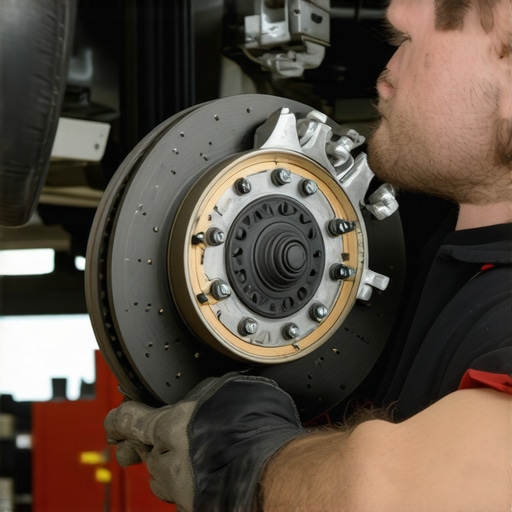 Many car owners operate under misconceptions that can lead to costly mistakes. One common misbelief is that routine maintenance is solely about reactive fixes—waiting until symptoms appear before taking action. In reality, proactive maintenance, such as scheduled tune-ups and regular brake inspections, is essential for preventing major failures and extending vehicle lifespan. As experts like those at GlassFix Auto emphasize, understanding nuanced maintenance strategies can save significant time and money.
Why do so many still believe in quick fixes over comprehensive care?
**How do I maintain this level of care over time?** The secret lies in consistent use of high-quality tools and staying informed through credible sources. Regularly verifying your tools’ calibration and investing in advanced diagnostic equipment can dramatically improve your ability to catch issues early. Additionally, following proven maintenance checklists, such as the ones outlined in [these tune-up habits](https://glassfixauto.com/7-pro-tune-up-habits-to-save-your-engine-in-2026-checklist), keeps your vehicle running reliably for every road trip.