
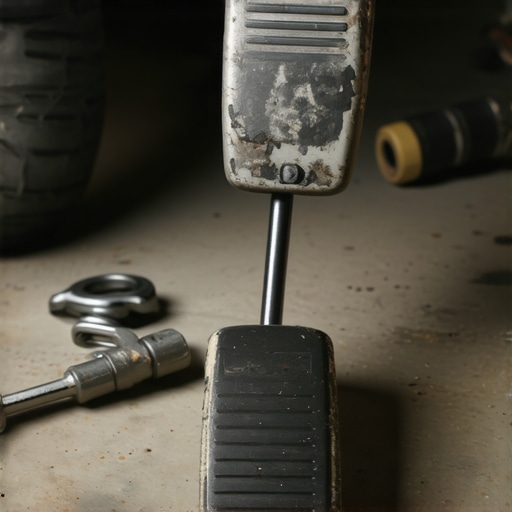
Imagine pressing your brake pedal only to feel it slowly sink to the floor, a sinking sensation that sends a chill down your spine. That moment of hesitation, when your car doesn’t respond as quickly as it should, can be terrifying—and it’s more common than most drivers realize. I remember my own lightbulb moment: cruising down the highway, calmly reaching for the brakes, only to find the pedal way too soft, almost like pushing against a sponge. It was a wake-up call that I couldn’t ignore.
<.h2>Why Brake Pedal Sinking Should Never Be IgnoredAs a car enthusiast and someone who believes in protecting myself and loved ones on the road, I want to share what I’ve learned about this dangerous issue. Brake pedal sinking isn’t just a nuisance; it’s a symptom of significant underlying problems in your braking system that, if left unaddressed, could lead to brake failure. According to the National Highway Traffic Safety Administration, brake failure is among the top causes of accidents related to brake system issues, accounting for numerous injuries annually. Recognizing the warning signs early can make all the difference.
<.h3>Is Your Brake Fix Worth It or Just Overhyped?Early in my DIY repair days, I made the mistake of dismissing a soft pedal as a minor bleed issue. Turns out, I was overlooking the possibility of a failing master cylinder. That misstep taught me that underestimating brake problems can be costly. When I finally sought expert advice, I discovered several critical repairs that could restore your braking confidence. Want to learn how to identify and fix these issues yourself or when to seek professional help? Keep reading, and I’ll walk you through the essential steps to keep your brakes reliable for the upcoming decade.
Inspect Your Brake System Thoroughly
Start by placing your vehicle on a level surface and engaging the parking brake. Remove the wheels to access the brake calipers and drums. Visually check for leaks around the master cylinder and brake lines for any signs of fluid seepage. Use a flashlight to identify corrosion or damages, which can cause air leaks or fluid loss. Remember, a leak or corrosion can be as subtle as a tiny crack but has a significant impact on brake performance.
Drain and Replace Old Brake Fluid
This step is akin to flushing out old blood to improve circulation; fresh brake fluid ensures proper hydraulic pressure. Using a clear container, open the bleed valve on each caliper, and let old fluid drain into it. Replace the brake fluid reservoir cap with a clean funnel, then fill the master cylinder with new, manufacturer-recommended brake fluid. With a partner, bleed each wheel—starting from the furthest from the master cylinder—by opening the bleed valve, pressing the brake pedal slowly, then closing the valve before releasing the pedal. This process expels trapped air, which can cause the pedal to sink. For detailed steps on bleeding brakes, check out this guide on expert brake service strategies.
Assess the Master Cylinder for Signs of Failure
The master cylinder functions like a hydraulic pump—if it’s failing, it can cause the pedal to sink or feel spongy. To test it, press the brake firmly and hold—if the pedal slowly sinks without additional pressure, it indicates internal leakage. You can also check for external leaks or corrosion around the master cylinder reservoir. If these signs are present, replacing the master cylinder is crucial. Remember, neglecting this part can lead to total brake failure—so don’t skip this check.
Replace Faulty Components with Confidence
If your inspection reveals a damaged or leaking master cylinder or brake lines, replacing them is the next step. Use a reliable repair kit and follow manufacturer instructions carefully. When replacing brake lines, ensure they are properly secured and free from kinks or damage. Bleed the entire system again after replacement to remove any trapped air—missed air pockets will make the pedal sink or feel soft. For professional insights on this process, visit reliable brake service strategies.
Test Drive and Confirm Your Repairs
After completing repairs, gently test your brakes at low speeds in a safe area. Apply steady pressure and monitor how the pedal feels; it should now be firm and respond promptly. Accelerate slightly to ensure no warning lights come on and that braking is smooth and reliable. If the pedal still sinks or response feels sluggish, revisit your steps or consider consulting a professional mechanic. Regularly scheduled brake inspections can prevent issues from escalating, maintaining your safety on the road.
Many car owners believe they understand the basics of vehicle maintenance, but few realize the nuanced pitfalls that can lead to costly repairs. One common myth is that sticking to a routine oil change schedule is enough to keep a car running smoothly. In reality, neglecting the less obvious aspects—like inspecting brake components for hidden wear or understanding the importance of precise torque specifications—can cause serious issues down the line. For instance, over-tightening brake calipers may seem harmless but can warp rotors or damage caliper pistons, leading to uneven braking or squealing. I’ve seen many DIY enthusiasts make the mistake of assuming that a simple fluid flush cures all brake issues, when in fact, underlying problems like master cylinder wear require more advanced diagnostics and parts replacement. This misconception often results in repeated visits to the shop, wasting time and money. For the serious car owner or mechanic, appreciating the subtle signs—such as a minor pulsing in the brake pedal or inconsistent pedal feel—can save a vehicle from catastrophic failure. One advanced nuance is understanding how microscopic corrosion buildup inside brake lines can compromise hydraulic pressure over time, even if no visual leaks are evident. A recent study in automotive reliability emphasizes that neglecting these internal issues can cause abrupt brake failures under high-stress conditions. Therefore, a deep dive into brake system diagnostics, beyond basic visual checks, becomes essential for advanced maintenance. Are you aware of how often small missteps snowball into major repairs? Let me know in the comments. Remember, knowledge of these hidden nuances can be the difference between safe driving and costly accidents.
How do I maintain car systems effectively over time?
Maintaining your vehicle’s performance requires more than occasional checkups; it demands the right tools, consistent techniques, and a proactive mindset. I personally rely on a combination of specialized diagnostic equipment and quality manual tools to ensure my car remains in top shape. For instance, using a high-quality scan tool like the Autel MaxiCOM MK808 has transformed my approach, allowing me to quickly identify hidden issues such as sensor faults or ECU errors that might not produce obvious symptoms initially. Investing in a reliable torque wrench—like the Tekton 24335—ensures bolts are tightened to manufacturer specifications, preventing warp rotors or damaged components, which can lead to safety hazards or costly repairs down the line.
Equally important is adopting the proper maintenance methods. Regularly inspecting brake pads, rotors, and fluid levels, coupled with systematic cleaning and replacement schedules, extend the lifespan of critical parts. For long-term results, I set a recurring calendar reminder every 10,000 miles to revisit these inspections, integrating a comprehensive check into every oil change interval. This disciplined approach not only prevents failures but also keeps the vehicle running smoothly and efficiently, saving money and ensuring safety.
Tools I recommend for DIY maintenance
Beyond diagnostic scanners and torque wrenches, I swear by my impact driver, the DEWALT DCF899HB. It provides the power needed to remove stubborn lug nuts or corroded bolts without excessive exertion. For fluid replacements, a quality brake bleeding kit—which includes a one-way valve and clear hoses—makes a complicated process straightforward, reducing the risk of trapped air and soft pedals. When I perform fluid flushes or replacements, I meticulously follow manufacturer-recommended procedures, often consulting resources like trusted repair guides, to ensure I don’t miss subtle yet vital steps.
The future of vehicle maintenance is heading towards greater integration of digital tools and predictive diagnostics. Emerging AI-driven sensors will soon alert drivers of impending component failures before symptoms appear, allowing preemptive repairs. Staying ahead of these trends means investing in versatile tools and honing your skills for proactive maintenance.
How do I maintain braking systems over time?
Long-term brake maintenance involves more than replacing worn pads. Regularly inspecting brake fluid quality and level, flushing the system as recommended, and checking for leaks help prevent brake fade or failure. Using a high-quality brake fluid like DOT 4 or DOT 5.1 and replacing it every two years maintains hydraulic integrity. For detailed maintenance routines, exploring professional strategies can provide targeted insights. Implementing these practices and investing in good tools will ensure your brakes remain responsive and safe for years to come.
Lessons That Changed My Approach to Brake Care
One of the most valuable insights I gained was realizing how small, seemingly insignificant symptoms like a minor sponginess in the brake pedal can signal major underlying issues. Ignoring these signs delayed critical repairs, leading to more expensive fixes and safety risks. That lightbulb moment taught me the importance of proactive inspections and understanding the nuances of brake system behavior—especially the internal corrosion that isn’t immediately visible but can jeopardize safety. Recognizing that consistent, detailed maintenance is far more effective than reactive fixes has transformed my approach and can do the same for you.
Another lesson was the significance of trusting quality tools and expert resources. Starting with reliable brake bleeding kits and understanding the proper procedures, like thorough system flushing, prevents trapped air and ensures pedal firmness. Books and trusted websites, like those offering professional auto repair tips, have been invaluable for deepening my understanding beyond simple DIY steps, empowering me to maintain my vehicle more confidently.
The final insight revolves around the evolving role of technology. Modern diagnostic tools, such as advanced scan equipment, have opened doors to early problem detection—saving time, money, and lives. Embracing new tools and trends ensures your maintenance practices stay ahead of potential failures, especially for critical systems like brakes. My journey underscores that continuous learning and investing in quality resources are key to vehicle safety and reliability.
Tools and Resources I Trust for Brake Maintenance
For trustworthy diagnostics, I rely on the expert brake service strategies. Their comprehensive guides have helped me understand every aspect of brake health, from fluid quality to component inspection. Additionally, I use a high-precision torque wrench to ensure all parts are secured correctly, preventing future issues. When replacing parts, I prefer OEM or trusted aftermarket brands, as they offer durability and peace of mind. Lastly, my go-to manual for brake system troubleshooting remains the detailed resources I’ve found in trusted repair websites and professional forums, which are packed with real-world insights that I can’t get elsewhere.
Your Next Step: Keep Protecting What Matters Most
Your vehicle’s safety depends on your commitment to diligent maintenance and awareness of subtle signs like brake pedal sinking. The more you learn and invest in quality tools and resources, the more confident you’ll become in handling your braking system’s well-being. Remember, small preventive actions today ensure your peace of mind on every trip tomorrow. Take charge, stay informed, and keep your brakes—as well as your loved ones—safe for years to come.
What’s the one brake-related symptom you’ve been hesitant to address? Share your experiences below and let’s learn together!
**[Internal link: Explore expert strategies for reliable brake service](https://glassfixauto.com/expert-brake-service-auto-repair-strategies-for-safe-roads)**.
Reading this post really opened my eyes to how complex brake system maintenance can be beyond just replacing pads or bleeding the fluid. I’ve personally experienced a sinking brake pedal once, and it was nerve-wracking not knowing whether it was a minor issue or a sign of major failure. I learned that checking the master cylinder and hydraulic lines is crucial, especially when the pedal feels soft or sinks under constant pressure.
One thing I found interesting was the mention of microscopic corrosion inside brake lines. It makes me wonder how often internal corrosion contributes to sudden brake failure without any visible leaks. Has anyone here used advanced diagnostic tools or methods to detect internal corrosion before it causes problems? I’d love to hear about how you stay ahead of these hidden issues. Proactive maintenance definitely seems key to ensuring our brakes are reliable and safe, especially with the wear and tear vehicles face over time.