
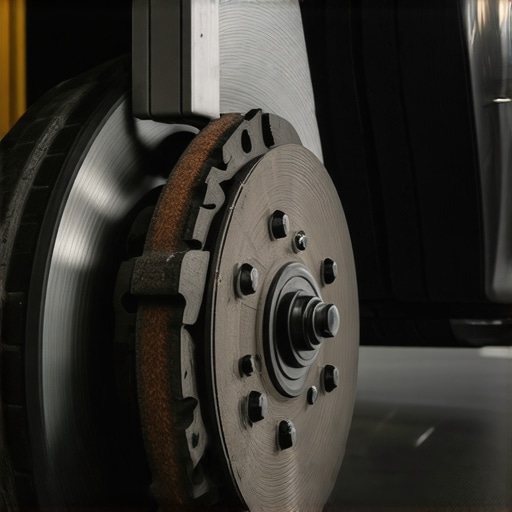
It was a chilly morning, and I was running late for an appointment when suddenly, my car jolted violently as I pressed the brake pedal. My heart sank. The steering wheel started to shake, and I could feel the entire vehicle shuddering beneath me. Basically, I was facing that dreaded moment when your car isn’t just glitching — it’s warning you something serious is wrong. That feeling of helplessness hit hard, especially since I’d been so diligent about routine maintenance.
But here’s the surprise: that shaking wasn’t just a fluke or a normal part of aging. It’s often a clear sign that your brake system needs urgent attention. If you’ve experienced anything similar, you know how unsettling it can be. The good news? Many of these problems are fixable with simple, effective checks. Today, I’ll share how four targeted brake service inspections can help you stop that shake, restore your peace of mind, and keep your ride safe.
How Brake Checks Can Save You from Unexpected Breakdowns
When my car started shuddering, I realized I needed to act fast. Ignoring signs like this can lead to costly repairs or dangerous situations on the road. Regular brake inspections aren’t just a maintenance chore; they’re essential safety measures. As experts like Glass Fix Auto emphasize, proactive brake service can prevent major accidents and extend the lifespan of your brake components. In fact, some issues—if caught early—are simple fixes that cost a fraction of a full brake overhaul.
Are you still unsure if your brakes are screaming for help? That’s common, especially with busy schedules and auto repair scams that target unsuspecting drivers. I made a mistake early on by trusting a mechanic who skipped these critical checks, only to face a much bigger bill later. To avoid falling into that trap, I recommend knowing exactly what to look for and what tests to ask for.
Today, we’ll cover the four key brake service checks that can diagnose the root of your shaking and help you resolve it effectively. Whether your car pulls to one side, squeals loudly, or vibrates during braking, these checks can be a game-changer. Ready to learn how to keep your brake system in top shape? Let’s dive into the details so you can handle brake issues confidently and get back on the road safely.
Inspect Brake Pads and Rotors for Wear
Start by examining your brake pads through the wheel spokes or wheel well. Look for thinning pads—less than a quarter-inch of material remaining indicates they need replacement. In my case, I used a flashlight to peek and immediately noticed uneven pad wear. This often causes vibrations when braking. Next, check the rotors for scoring, warping, or cracks. Warped rotors won’t spin smoothly, leading to that shaking sensation. Using a dial indicator or simply feeling for unevenness with a wrench can reveal these issues. Replacing worn pads and resurfacing or replacing warped rotors generally restores smooth braking and eliminates shaking.
Test Brake Fluid and Bleed Air Bubbles
Weak or contaminated brake fluid reduces hydraulic pressure, causing spongy brakes and vibration. I opened the brake fluid reservoir—if the fluid is dark or murky, it’s time for a flush. Bleeding air from the brake lines ensures hydraulic transfer isn’t compromised. To do this, connect a friend or mechanic with a pressure bleeder, or do it manually with a tube and container, opening the bleed screw at each wheel. Removing trapped air prevents compressibility issues. Keeping brake fluid topped up and clean maintains consistent pressure and helps avoid that pulsing feeling during stops.
Perform a Caliper Function Test
Sticking or seized calipers can cause uneven brake pad pressure, resulting in vibrations. To test, bring your car to a safe, level spot, then apply the brakes gently while moving slowly. If one wheel feels more resistant or if the steering pulls during braking, calipers might be sticking. A simple way to check is to remove the wheel and inspect the caliper’s sliding pins—if they’re rusty or stuck, lubing or replacing them is necessary. I’ve had to disassemble calipers during my DIY days, and cleaning or replacing rusty components usually solves the problem, restoring uniform pad pressure.
Evaluate Brake System for Uneven Deposits
Brake dust and deposits can create uneven surfaces on rotors or pads. Use a brake cleaner and a wire brush to remove buildup from the rotors and calipers. After cleaning, conduct a test drive to see if vibrations persist. If they do, consider that uneven deposits might be causing uneven contact, and a professional resurfacing or replacement might be needed. This step is crucial because deposits often mimic more serious issues but are easy to resolve with proper cleaning, preventing unnecessary repairs.
Learn more about squeaky brake fixes here.
When it comes to car maintenance, many car owners believe they fully understand what a tune-up or brake service entails. However, popular misconceptions often lead to overlooked issues and costly mistakes. One common myth is that replacing brake pads alone suffices for brake health, but in reality, neglecting rotors, calipers, and hydraulic systems can cause shuddering and unsafe driving conditions. Experts warn that a ‘simple’ pad replacement without inspecting associated components can be a costly mistake. Moreover, the idea that ‘if it sounds good, it must be fine’ is risky—listening for unusual noises is helpful, but comprehensive diagnostics are essential, especially since some issues are invisible to the untrained eye.>
What advanced signs should experienced technicians look for during a tune-up that novices might miss?
Professional auto repair strategies emphasize scrutinizing fuel injectors, sensors, and valve timing during tune-ups—areas that are often skipped by less experienced mechanics but are vital for optimal performance. Studies show that neglecting these factors can lead to decreased fuel efficiency, engine misfires, or even long-term damage. Therefore, adopting a holistic approach, rather than a quick fix, ensures vehicle longevity. For example, inspecting your brake system beyond surface level can prevent shuddering caused by warped rotors or sticking calipers. Regularly asking your mechanic detailed questions and referencing trusted guides, like those on trusted auto repair websites, can make a significant difference. You might think a quick bleed or fluid change is enough, but effective brake maintenance involves checking for uneven deposits, caliper responsiveness, and hydraulic integrity—steps often missed during routine service. Always remember that true functionality depends on identifying and addressing these nuances. In fact, a comprehensive brake inspection can reveal hidden issues that might not manifest until a critical moment, such as during an emergency stop. For further insights into advanced brake diagnostics and how to avoid common pitfalls, check out [here](https://glassfixauto.com/3-brake-service-tests-your-shop-better-not-skip-2026-update). Keep in mind, overlooking these subtleties can be the difference between a quick fix and a safety nightmare. Have you ever fallen into this trap? Let me know in the comments.When it comes to maintaining your vehicle, having the right tools and a systematic approach can make all the difference in ensuring longevity and safety. I swear by a set of precision instruments, starting with a high-quality digital multimeter. This device is invaluable for checking battery voltage, testing sensor signals, and diagnosing electrical issues, enabling me to pinpoint faults quickly without guesswork. For brake system diagnostics, a mechanic’s stethoscope isn’t just for doctors; it helps locate caliper noises and piston sticking that might otherwise go unnoticed. I’ve found that a robust set of socket wrenches with deep sockets allows me to remove rotors and calipers efficiently, especially on stubborn bolts that tend to seize over time. An infrared thermometer has become my go-to for verifying brake disc temperatures post-driving, helping identify uneven heat distribution indicative of sticking calipers or warped rotors. Additionally, I rely on a professional-grade brake fluid tester kit, which accurately measures fluid contamination levels and moisture content, ensuring hydraulic systems stay in peak condition and preventing costly failures down the line.
How do I keep my tools effective over time?
Regular calibration and proper storage are key. For example, electronic testing devices should be recalibrated annually according to manufacturer specifications, and storing tools in padded cases prevents damage. Investing in quality tools pays off long-term; a durable torque wrench, properly calibrated, ensures fasteners are tightened to manufacturer torque specs, avoiding both over-tightening and under-tightening issues that compromise safety. I also keep a detailed maintenance log for my tools—tracking calibrations, repairs, and replacements—to ensure my kit remains reliable. As technology advances, I predict a shift towards smart diagnostic tools with integrated apps that connect directly to vehicle systems, offering real-time feedback and even predictive maintenance alerts. This integration will streamline diagnostics and reduce downtime, making car maintenance more efficient and proactive.
Maintaining your tools and equipment isn’t just about longevity—it’s about precision. Regularly updating your toolkit with the latest diagnostics and repair gadgets ensures you stay ahead of potential problems. For instance, newer brake system analyzers can scan entire ABS modules, offering insights far beyond basic inspections. If you’re serious about keeping your vehicle in prime condition, I recommend trying a digital brake fluid tester and integrating it into your routine checks. These tools, paired with a methodical approach, will save you time and money in the long run. Want more expert tips on reliable auto repair strategies? Check out [here](https://glassfixauto.com/reliable-brake-system-repairs-for-safer-auto-performance). Stay proactive, keep your tools in top shape, and enjoy the peace of mind that comes with well-maintained machinery.
The Unspoken Truths That Changed My Maintenance Approach
One of the hardest lessons I learned was that a quick fix isn’t always enough. Overestimating the effectiveness of surface-level inspections can lead to overlooking deeper issues like warped rotors or sticking calipers, which only become apparent during thorough diagnostics. Embracing comprehensive inspections taught me to prioritize quality over speed, saving me money and anxiety in the long run.
Tools That Transformed My DIY Car Care Game
Investing in a reliable brake fluid tester and a professional-grade caliper piston tool made my maintenance routine more accurate and less stressful. These tools gave me confidence and clarity, helping me identify issues early and avoid unnecessary trips to the mechanic. Trustworthy resources like trusted auto repair brands provide the guidance I rely on to keep my tools calibrated and effective.
The Power of Consistency and Curiosity in Vehicle Health
Regularly checking for uneven deposits or caliper responsiveness transformed my understanding of brake health. Instead of waiting for alarming symptoms, I actively monitored subtle signs, catching problems before they escalated. This proactive mindset not only enhances safety but also nurtures a deeper appreciation for the craftsmanship behind vehicle maintenance.
Turning Knowledge into Confidence for Safer Rides
After learning these insider lessons, I feel more equipped to handle unexpected brake issues. The ability to differentiate between minor deposits and serious wear keeps me confident on the road. Taking control of my car’s health motivates me to stay informed, ask better questions at service appointments, and avoid costly repairs down the road. For comprehensive strategies, explore trusted resources like [reliable brake service strategies](https://glassfixauto.com/reliable-brake-service-auto-repair-strategies-to-ensure-safety). How are you planning to improve your vehicle maintenance routine this year? Share your thoughts below.