
Last summer, I found myself stuck on the side of the road, engine sputtering and lights flickering—classic signs I ignored for too long. That lightbulb moment hit me hard: I had neglected basic fluid checks, and now my car was paying the price. It’s a familiar story among drivers, I bet. We get busy, assume everything is fine, until suddenly, our vehicle isn’t. But here’s the truth I learned the hard way—staying ahead with routine fluid maintenance can save you from costly repairs and unexpected breakdowns.
Your Car’s Lifeblood: Why Fluids Matter in 2026
In the world of auto care, fluids are often the unsung heroes. They lubricate, cool, and protect vital parts of your engine, transmission, brakes, and more. Skipping these simple checks can lead to engine failure, poor braking performance, or even total breakdown—none of which you want during that crucial road trip next summer. I’ve discovered that paying attention to these five key fluids keeps my vehicle running smoothly and helps avoid those dreaded roadside emergencies. Today, I’ll walk you through which fluids to check, why they matter, and how to spot trouble early.
Is Checking Fluids Actually Worth the Hype?
I used to think fluid checks were a hassle—until I missed one and it cost me hundreds. Early on, I made the mistake of assuming my car’s performance was just ‘meant to be that way,’ neglecting to verify simple things like oil levels or brake fluid. That mistake could have been avoided if I had known how crucial these fluids are for safety and longevity. Trust me, it’s not rocket science, but it is essential if you want to enjoy a trouble-free 2026. Want to avoid my costly misadventures? Then keep reading, because mastering these checks will be your secret weapon against unexpected auto repair bills.
Identify the Key Fluids and Their Functions
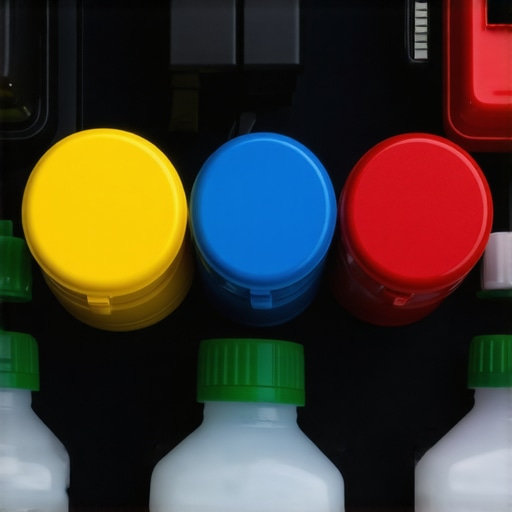
Start by understanding the five critical fluids: engine oil, coolant, brake fluid, transmission fluid, and power steering fluid. Think of these fluids as the blood of your car—each has a vital role in keeping systems alive and functioning. During my recent tune-up, I dedicated 15 minutes to inspecting each one, which revealed a slightly dark brake fluid that was overdue for a replacement. This proactive check prevented potential brake failure on my next trip and extended the life of my brake system.
Gather the Right Tools and Supplies
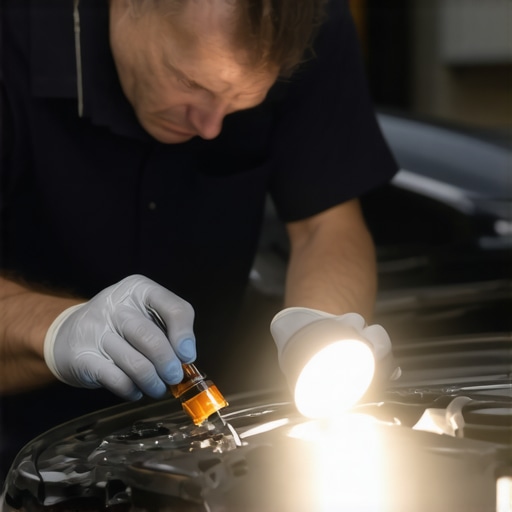
Prepare a clean rag, a flashlight, a set of gloves, and the specific fluids recommended by your vehicle’s manual. Using the proper tools is crucial—think of it as a doctor’s kit for your car. For example, I used a silicone funnel to avoid spills when topping off the coolant. Having the correct replacement fluids on hand ensures you’re ready when levels are low, preventing damage from neglect.
Check Fluids Systematically and Safely
Step 1: Park and Cool the Vehicle
Always park on a level surface and allow the car to cool to avoid burns. During my last check, I waited 30 minutes after driving to ensure the coolant and oil were at safe levels, which gave me accurate readings without risking injury.
Step 2: Open the Hood and Locate Reservoirs
Identify the designated reservoirs for each fluid. Labels are usually clear, but consult your manual if unsure. I recommend familiarizing yourself with these locations periodically so checking becomes second nature, similar to knowing the layout of your own home.
Step 3: Examine Fluid Levels and Clarity
Use the dipsticks or sight windows to assess levels—aim for the marks indicating ‘Full’ or ‘Max.’ Observe the clarity; dark, cloudy, or granulated fluids indicate a need for replacement. In my recent check, I noticed the transmission fluid was slightly burnt-tasting and discolored, prompting a scheduled flush before it caused shifting issues.
Top Off or Replace Fluids Appropriately
If levels are low, add the recommended type of fluid — no guesswork needed. For instance, topping off coolant with the wrong type can cause engine overheating, so always check your manual. When replacing fluids, follow proper procedures: drain old fluid completely, ensure the system is sealed properly, and dispose of used fluids responsibly. I learned this lesson the hard way when I spilled brake fluid on my driveway—cleaning it up promptly prevented environmental harm.
Monitor Your Vehicle After Checks
Post-inspection, pay attention to how your car performs. If you notice any strange noises, odd smells, or performance issues, consult a trusted mechanic. Regular fluid checks are a proactive step to prevent costly repairs and enhance safety. Remember, consistent maintenance is like a health check-up for your car—prevention beats cure every time.
 Even seasoned drivers often believe that following the basic maintenance schedule is sufficient to keep their vehicle in top shape. However, this oversimplification can lead to costly mistakes and overlooked issues. For example, many assume that once brake pads seem fine visually, they’re still safe to ignore—this couldn’t be further from the truth. Myth-busting reveals that brake components wear unevenly and can fail without noticeable warning signs, emphasizing the importance of expert inspections rather than relying solely on surface appearances. Additionally, a common misconception is that auto repairs are always straightforward, but in reality, many shops upsell unnecessary services, making it crucial to know what genuine repairs entail. Read more about how to avoid those pitfalls by discovering red flags in auto repair quotes.
Let’s address a perplexing question: How can a seemingly minor issue cause a serious breakdown if not diagnosed correctly? The answer lies in understanding the complex interplay of vehicle systems and recognizing that even small symptoms—like a faint squeal or a slight pulling during braking—may indicate underlying, more serious problems. Recent studies from automotive experts highlight that neglecting early signs can exponentially increase repair costs and safety risks, reinforcing why routine, expert-driven inspections are essential.
Focusing on the nuances, one critical mistake many drivers make involves delaying brake service until a noticeable noise or vibration occurs. However, by then, rotors might be warped, or calipers may be damaged beyond simple repair, leading to more expensive fixes. Trusted sources suggest that regular, proactive brake system upgrades not only extend components’ lifespan but can also significantly improve your 2026 stopping power—making your driving safer and more confident. To learn more about these upgrades and ensure your vehicle remains reliable, explore the latest brake service strategies.
Moreover, many assume that once a tune-up is done, their engine is set for thousands of miles. Yet, advanced level tuning involves more than replacing spark plugs or filters; it requires precise calibration of fuel injection, ignition timing, and sensor checks to optimize performance. Expert insights recommend periodic comprehensive assessments to prevent engine hesitation or misfiring, which could be symptoms of deeper issues easily missed by novices. Check out expert tips for lasting performance to avoid being caught off guard.
Don’t fall into the trap of neglecting these advanced nuances—your vehicle’s longevity and safety depend on it. Recognize that automotive work is complex, with small signs often masking larger problems. Staying informed and working with trusted professionals can make all the difference. Have you ever fallen into this trap? Let me know in the comments.Maintaining your vehicle over time requires not only knowledge but also the right tools and methods. I personally rely on a high-quality digital multimeter to diagnose electrical issues accurately. It gives me instant readings on battery voltage and sensor outputs, saving me time and preventing unnecessary trips to the mechanic. For fluid testing, I use a dedicated coolant tester to check for proper mixture and freeze protection, ensuring my radiator stays in top shape. An infrared thermometer has become a staple for me; it helps identify hot spots in the engine bay or brake components, pinpointing potential problems before they escalate. Software-wise, I recommend using manufacturer-specific diagnostic apps like OBDLink or BlueDriver, which connect easily via Bluetooth to scan and clear trouble codes. These tools empower me to monitor your vehicle’s health proactively and catch issues early. Looking ahead, I believe the trend is shifting toward integrated vehicle diagnostics, where real-time data from onboard sensors can be accessed remotely, enabling more effective long-term planning.
How do I keep my car’s maintenance effective over time?
Regularly scheduled inspections combined with these specialized tools are essential. For example, scheduling semi-annual brake checks using a trusted inspection method and verifying brake pad wear can prevent sudden failures. Don’t underestimate the power of a good set of manual tools—like a torque wrench—to ensure components are assembled correctly during DIY maintenance, which can help extend your vehicle’s lifespan. To get the most from your maintenance routine, consider consulting detailed guides such as those found at [trusted auto repair strategy resources](https://glassfixauto.com/top-auto-repair-strategies-boost-longevity-of-your-car-today). Incorporating these tools and routines will significantly improve your vehicle’s reliability and safety in the long run. Try implementing a digital multimeter in your next check—it’s a game-changer for diagnosing electrical issues early and saving costs. Remember, consistency is key to keeping your car working smoothly for years to come.
Lessons That Changed My Approach to Car Care
- I realized that overlooking small fluid issues—like slightly dark brake fluid—can lead to major safety risks, emphasizing the importance of proactive inspections rather than waiting for obvious symptoms.
- Understanding that routine fluid checks are quick, easy, and cost-effective transformed my maintenance routine from a chore into a habit, saving me thousands in repairs.
- My biggest lightbulb moment was learning that expert guidance and proper tools make DIY fluid checks nearly foolproof, empowering me to keep my vehicle in top shape without always relying on professionals.
Tools and Resources That Keep My Car in Peak Condition
- My trusted digital multimeter helps me diagnose electrical issues early—saving time and preventing breakdowns. I recommend it for anyone serious about upkeep.
- Using a coolant tester ensures I get the right mixture every time, avoiding overheating or freezing problems, which are common pitfalls.
- The app BlueDriver connects to my vehicle via Bluetooth, allowing me to monitor sensor data and clear codes with ease—turning a complex process into a simple check-in.
- For specialized advice, I rely on trusted sites like GlassFixAuto, especially their guides on brake upgrades and tune-up strategies that are tailored to 2026 vehicle tech.
Your Next Move Starts Now—Stay Ahead of the Curve
Maintaining your vehicle’s fluids might seem basic, but it’s the cornerstone of safety and performance in 2026. Embrace the small checks, leverage the right tools, and stay informed—your car will thank you with reliable, trouble-free miles ahead. Remember, proactive care today prevents costly repairs tomorrow. Are you ready to take control of your car’s health and enjoy a safer, smoother ride this year? Drop your thoughts below and share your maintenance tips!