
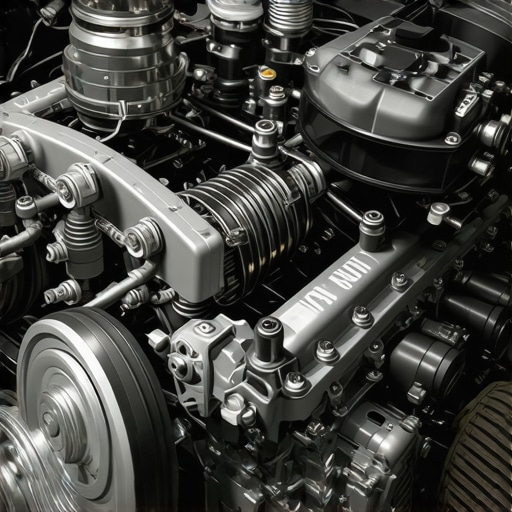
It was a cold morning, and I was just about to head out for an important meeting when suddenly, my engine sputtered and hesitated—like it was reluctant to wake up. That feeling of dread, realizing my car was acting up again, hit hard. We’ve all been there—facing that frustrating moment when your vehicle misfires, shudders, or just refuses to run smoothly, and you wonder, “Is this the end of my trusty ride?”
Why Engine Skipping in 2026 Could Cost You More Than You Think
If your engine is skipping, coughing, or hesitating, it’s not just annoying—it’s a sign that your car needs attention. Neglecting these issues can lead to serious damage and costly repairs down the line. Plus, with inflation and rising repair costs, DIY tune-ups can be a smart way to keep your vehicle in top shape without breaking the bank. I found that a simple, effective tune-up approach can restore your engine’s rhythm and save you money. According to AAA, neglected engine misfires can lead to decreased fuel efficiency and increased emissions, costing owners hundreds annually. So, my goal here is to share three easy tune-up tactics I’ve personally used to get my engine back to smooth operation.
Is It Worth Trying DIY Fixes Or Better to Call a Professional?
Early in my auto repair journey, I made the mistake of overestimating my skills and diving into complex repairs without proper knowledge. That only led to more problems and higher bills. Trust me, understanding your limits and knowing the quick, simple tricks that you can do yourself makes a huge difference. Want to learn what really works? Check out this comprehensive guide on quick tune-up tactics for engine misfire. Now, let’s get into the practical steps that will help you stop engine skipping before it turns into something more serious.
Check Your Spark Plugs and Ignition System
Start by inspecting your spark plugs, which are like the ignition team’s players—if they’re worn out or dirty, your engine could skip. I once replaced my spark plugs without proper torque, causing misfires that rattled my car during the commute. Tighten them according to your vehicle’s manual and replace any that look fouled. This quick step can restore smooth firing, similar to tuning a guitar string for harmony.
Examine and Clean the Fuel Injectors
Fuel injectors are like the veins delivering vital fuel—all clogged or dirty injectors cause rough running. I used a fuel system cleaner on my first attempt; after running my tank full, the hesitation vanished. For stubborn buildup, consider removing the injectors and cleaning them with a dedicated cleaner. Think of it as clearing clogged arteries to get your engine breathing freely again.
Test and Replace the Air Filter
The air filter acts as your engine’s lungs—when clogged, your car struggles to breathe and runs inefficiently. I once ignored a dirty filter, leading to engine pinging and poor acceleration. Replacing it is straightforward: remove the old filter, and insert a new one that fits your model. It’s like giving your engine a fresh set of lungs for optimal performance.
Assess and Adjust Valve Clearance
In some engines, improper valve clearance causes misfiring and hesitation. I learned this the hard way when my engine suddenly ran rough after a cold start. Using a feeler gauge, I measured the gap and adjusted it to manufacturer specs. Proper valve clearance ensures your engine’s valves open and close perfectly—like dialing in a camera for the sharpest shot.
Utilize Proper Diagnostic Tools and Resources
While these steps cover common fixes, sometimes the issue is deeper. I connected a OBD-II scanner to interpret error codes, which pointed me toward a faulty ignition coil. For DIYers, reliable resources like the tune-up guide can be invaluable. Think of diagnostic tools as a map, guiding you directly to the problem, saving time and avoiding unnecessary parts replacement.
Many car owners underestimate the complexities behind auto repair and maintenance, leading them to misconceptions that can cost time and money. One common myth is that all brake pads wear out evenly; in reality, uneven braking behavior often indicates underlying issues like caliper sticking or rotor warping, which require specific attention. Relying solely on brake pad thickness without inspecting these components can lead to early failures. Additionally, many believe that regular tune-ups involve only changing spark plugs and oil; however, advanced diagnostics reveal that issues like sensor degradation or ignition coil wear are equally critical to performance. Overlooking these nuances can cause car problems to escalate, resulting in expensive repairs. When it comes to car service, some think that ignoring warning lights temporarily isn’t harmful, but modern vehicles store fault codes that, if unaddressed, can lead to engine misfires or transmission issues. Confirming issues early by scanning error codes with a reliable OBD-II scanner can save significant costs. To avoid falling into these traps, educate yourself on the specifics of your vehicle’s maintenance needs. As experts suggest, thorough inspections and understanding nuanced signs can greatly extend your car’s lifespan and safety. For instance, knowing the difference between normal wear and critical red flags during brake service helps prevent costly parts replacements and ensures safety on the road. Remember, not every shortcut leads to savings—sometimes, investing in detailed diagnostics and professional advice is the smarter choice. Want to avoid common pitfalls? Check out these in-depth resources on tips to skip shop scams and red flags during brake service. Have you ever fallen into this trap? Let me know in the comments.
Maintaining your vehicle over time requires the right equipment and software to diagnose, repair, and optimize its performance. Personally, I rely on a combination of professional-grade diagnostic tools and trusted manual equipment to ensure my car stays in top shape. One device I swear by is the OBD-II scanner, such as the ScanGauge II. It provides real-time data and error codes, allowing me to identify issues early and avoid costly repairs. I use it at home to run quick diagnostics before heading to a mechanic, saving time and money. Additionally, I recommend investing in quality manual hand tools like a torque wrench, set of screwdrivers, and pliers—these are indispensable for routine tasks like tightening spark plugs or replacing filters.
For more advanced diagnostic features, I’ve also adopted automotive software like OBDLink, which pairs with my smartphone to provide detailed repair reports and service reminders. These tools empower me to monitor my vehicle’s health over the long term, ensuring I catch problems before they escalate. As the automotive industry moves increasingly toward digital diagnostics, staying current with updated software versions is essential. I plan to keep an eye on emerging telematics and AI-powered diagnostic solutions, which are predicted to revolutionize how we maintain our vehicles in the future.
How do I maintain my vehicle tools and software over time?
Regularly updating your diagnostic software and calibrating manual tools like torque wrenches are vital. I set reminders to download firmware updates from software providers and check the calibration of my torque wrench every six months. This proactive approach ensures accuracy and reliability, preventing false readings or improper repairs. Maintaining your tools not only preserves their effectiveness but also extends their lifespan, ultimately saving you money and headaches down the road.
If you haven’t already, consider integrating a comprehensive diagnostic scanner into your maintenance routine. For example, connecting an affordable OBD-II scanner allows you to interpret fault codes quickly and accurately. This small investment can pay off by helping you identify issues early, perform simple fixes yourself, and avoid unnecessary shop visits. In a rapidly evolving auto repair landscape, staying equipped with reliable tools is your best bet for keeping your car in excellent condition for years to come. Start by trying out a trusted diagnostic tool and see how it transforms your maintenance routine.
Over the years, I’ve discovered that the true value of proper auto maintenance lies beyond just fixing what’s broken; it’s about understanding your vehicle’s unique needs and knowing when to act before small issues become costly disasters. One lightbulb moment was realizing that consistently monitoring and adjusting small components, like your spark plugs or air filters, can extend your engine’s lifespan dramatically. It’s easy to overlook seemingly minor signs but catching them early can save hundreds. Another lesson learned: trusting your intuition and basic tools, such as an OBD-II scanner, empowers you to diagnose problems swiftly without always waiting for a mechanic. These insights have transformed my approach to car care, making me more confident and proactive on the road. Lastly, I found that setting aside time for routine inspections, especially before long trips or seasonal changes, keeps my vehicle running smoothly and safely, proving that a little knowledge and effort go a long way in maintaining your car’s health in 2026 and beyond.