
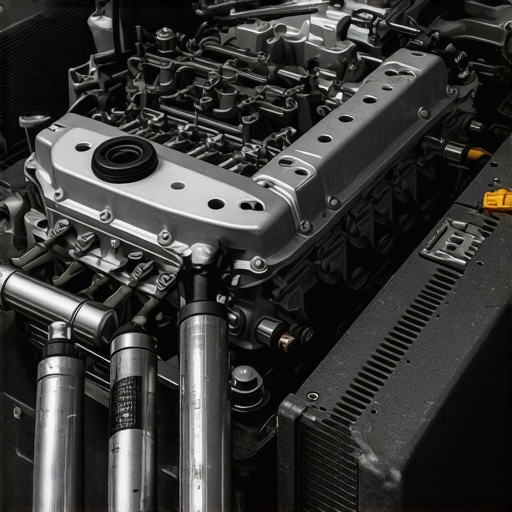
Ever been stranded on the side of the road, watching your trailer sway uncontrollably, and wondering why your engine suddenly lost the punch it once had? That lightbulb moment hit me hard after a frustrating weekend attempting to tow a boat with my aging truck. Turns out, even the best engines can get sluggish without a proper tune-up — and when you’re trying to pull heavy loads, that sluggishness can turn into a real safety issue.
Why Your Engine Needs a Fast Fix Before the Next Tow
Over time, engine components accumulate deposits, fluids degrade, and spark plugs wear out. If neglected, these small issues can cause bigger problems—reduced power, poor fuel efficiency, and even engine stalls. As I learned the hard way, a quick tune-up isn’t just about engine health; it’s about safeguarding your ability to tow safely and confidently, especially with the 2026 models designed to handle heavier loads and more complex electronics.
Is Skipping Maintenance Still a Good Idea? Think Again!
Early on, I made the mistake of dismissing minor engine hiccups, thinking they were just regular quirks. Big mistake. According to automotive expert analysis, neglecting small tune-up needs can lead to a 15-20% decrease in towing power—ouch! For more insights on maintaining optimal engine performance, check out this comprehensive checklist. If you’re wondering whether your current maintenance routine is enough, or if you’re heading for trouble, read on. We’re going to dig into five fast fixes that can restore your engine’s strength and keep your next tow smooth and safe.
Start with a Comprehensive Visual Inspection
Before diving into specific repairs, perform a thorough visual check under the hood. Look for cracked or worn belts, loose hoses, and signs of fluid leaks. For example, during my last tune-up, I noticed a cracked serpentine belt that was causing slipping noise. Replacing it immediately restored smooth operation and prevented breakdowns on the highway.
Check and Replace Spark Plugs
Remove old spark plugs using a spark plug socket. Examine their condition: if they’re fouled, worn, or covered in carbon deposits, replace them with new ones matching your vehicle’s specifications. This simple step can rejuvenate engine firing and improve fuel efficiency, especially important for heavy towing in the 2026 models.
Change or Top Off Fluids
Inspect oil, transmission fluid, coolant, and brake fluid. Low or degraded fluids can lead to overheating or sluggish response. During my recent tune-up, topping off coolant and changing the engine oil made a noticeable difference in engine responsiveness. Always use manufacturer-recommended fluid types to avoid compatibility issues. For detailed guidance, see this fluid checklist.
Optimize Air and Fuel Intake Systems
Replace air filters if dirty. A clogged filter restricts airflow, making the engine work harder. Clean or replace fuel injectors to ensure proper fuel atomization. I once cleaned my injectors using a fuel system cleaner and observed smoother acceleration. It’s akin to clearing a blocked airway, allowing your engine to breathe freely for maximum power.
Perform a Throttle Body Cleaning
Remove the throttle body and clean carbon buildup with a specialized cleaner. This removes hesitation during acceleration. I saw immediate improvement after cleaning my throttle body, especially during cold starts, reducing engine misfires.
Test and Adjust Timings and Sensors
Use an OBD-II scanner to check for sensor errors, especially the oxygen sensors and MAF sensor. Correcting sensor readings improves fuel economy and power. During my troubleshooting, clearing sensor error codes and resetting the ECU helped my engine run more smoothly and reliably under load. Check out these tactics for aligning engine sensor systems effectively.
Final Tune and Test Drive
After completing the above steps, run the engine at various speeds, listen for irregular sounds, and verify that performance has improved. If issues persist, consider professional diagnostics. Remember, regular tune-ups prevent minor issues from escalating into costly repairs—especially when towing heavy loads with your 2026 vehicle.
Applying these targeted steps, inspired by my experiences and proven techniques, can significantly boost your engine’s health. Proper maintenance is like giving your vehicle a personal trainer—sure it costs a bit upfront, but the long-term gains in performance and safety are worth it. Want to dive deeper? Explore more expert tips to keep your engine in top shape for every tow.
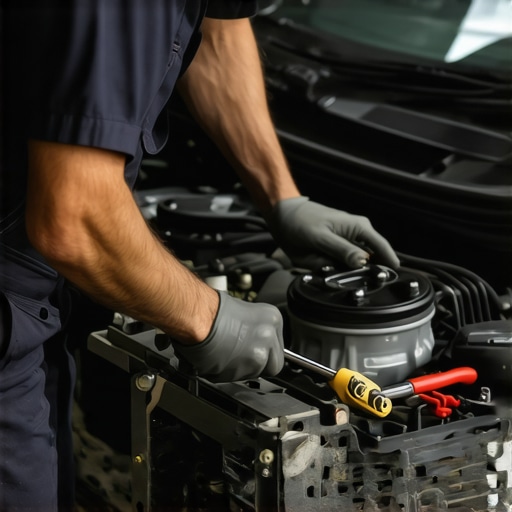 When it comes to vehicle maintenance, many car owners operate under misconceptions that can lead to costly mistakes. One prevalent myth is the idea that brake pads need replacement only when they produce squealing noises. In reality, braking systems can fail silently due to issues like uneven wear or internal corrosion, which often go unnoticed until a critical failure occurs. Regular inspections, especially before long trips, are essential—learn more about the signs that your brake service might be overdue by visiting this detailed guide.
Many drivers also believe that tune-ups are only necessary when the engine stalls or runs rough. However, small neglects—such as ignored engine misfires or buildup of carbon deposits—can stealthily degrade performance over time, leading to reduced fuel efficiency and increased emissions. Advanced caution is advised, and understanding the nuances of engine health can save you money in the long run. For in-depth insights, see these expert tactics.
A common trap involves the assumption that all auto repairs are equally reliable, but this overlooks the crucial role of proper diagnostics. Many repairs fail prematurely because underlying issues—like sensor failures or hidden leaks—are misdiagnosed or overlooked. This can lead to repetitive repairs, wasting time and money. Investing in sophisticated diagnostic tools and understanding their use can make all the difference—more about this can be found in this comprehensive troubleshooting guide.
For the advanced enthusiast, the misconception that simply changing fluids suffices for optimal performance is another hidden pitfall. While fluid replacements are vital, they must be accompanied by a thorough inspection of system components and possibly cleaning or recalibration. For example, replacing brake fluid without inspecting the master cylinder or calipers can lead to pedal fade or even brake failure. Don’t forget that the devil is in the details—more on this topic here: checklist of critical fluids.
Make sure you’re not falling for these misconceptions. Regular maintenance tailored with an understanding of these nuances can extend your vehicle’s lifespan and ensure safety. Have you ever fallen into this trap? Let me know in the comments—and stay vigilant about the small details that make a big difference in auto care.
Essential Tools for Reliable Car Care
Keeping your vehicle in top shape over the years demands the right equipment. I personally rely on a quality OBD-II scanner like the Autel MaxiScan MS300 because it offers comprehensive diagnostics without breaking the bank. It helps me quickly identify sensor errors, check engine codes, and reset fault indicators, saving time and avoiding unnecessary trips to the mechanic. Additionally, a sturdy tire pressure gauge such as the Topeak Digital Pressure Gauge ensures my tires are always at optimal PSI, which is crucial for safety and fuel efficiency.
For routine maintenance tasks, I prefer a full socket set with organizers like the GearWrench 57-Piece kit. It’s versatile enough for everything from replacing spark plugs to changing brake pads. Investing in quality hand tools pays off in durability and precision, especially when working under tight schedules or on stubborn fasteners.
Methodical Approaches to Car Tune-Ups
Regularly scheduled tune-ups involve more than just swapping parts; it requires a disciplined approach. I follow a method that starts with a visual inspection of belts, hoses, and fluid levels. Then, I use diagnostic tools to evaluate sensor performance and engine health. Documenting findings helps track wear patterns and plan future maintenance.
Long-Term Benefits of Consistent Maintenance
Sticking to this routine enhances your vehicle’s longevity, fuel economy, and safety. Over time, I’ve noticed that vehicles maintained with these tools and methods demand fewer emergency repairs, saving both money and stress. There’s a trend towards integrating software-based maintenance schedules in newer cars, which can predict issues before they become costly. As automotive technology advances, embracing these innovations will become essential for proactive vehicle care.
How do I keep my vehicle running smoothly for years to come?
Establishing a comprehensive maintenance routine rooted in precise diagnostics and quality tools is the key. Regularly check critical components, follow manufacturer guidelines, and stay informed about emerging technologies. For instance, learning how to interpret the data from your OBD-II scanner can alert you to potential problems early. I recommend trying a diagnostic approach like this advanced technique to enhance your vehicle’s long-term health.
By proactively managing maintenance with the right equipment, you ensure that your vehicle remains dependable and safe for many miles. Don’t wait until a breakdown forces costly repairs—invest in your car before problems arise.