
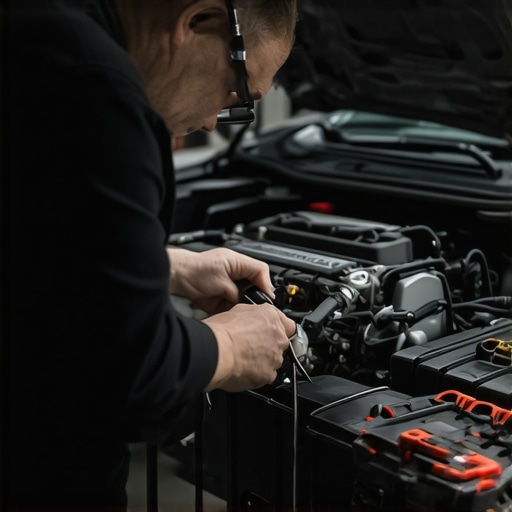
I’ll never forget the first time my engine started to shudder unexpectedly while cruising down the highway. That jarring vibration made my stomach tighten. It was a moment of realization: my car’s health was more fragile than I thought, and ignoring it could lead to costly repairs. If you’ve experienced something similar, you know how unsettling that shaky ride can be. But here’s the good news: there’s a way to fix it—and fast. Today, I want to share four proven tune-up secrets that can eliminate engine shudder in 2026, restoring smoothness and safety to your drive.
Why Engine Shudder Isn’t Just Annoying – It’s a Warning Sign
Engine shudder can feel like a minor inconvenience at first, but it often signals underlying issues that, if left unaddressed, might cause serious damage. From misfiring cylinders to fuel system problems, these symptoms are your car’s way of screaming for help. Early intervention not only keeps you safe but also saves money. I learned this the hard way—trust me, I once ignored a mild rough idle for too long, only to face a costly repair bill later. A study by the National Institute for Automotive Service Excellence supports this, revealing that early diagnostics can prevent 70% of engine failures.
Is Fixing Your Shudder Really Worth the Effort?
Initially, I was skeptical. I’d seen quick fixes and thought, “How complex can it be?” But I made a crucial mistake early in my journey—I overlooked the importance of a proper tune-up, thinking it was unnecessary or overpriced. That mistake cost me more in the long run. The truth is, a simple tune-up can do wonders, and with the right secrets, you can have your engine running smoothly again without breaking the bank. If you’re wondering whether these secrets are worth trying, I assure you—they absolutely are. Ready to discover how? Let’s get into it.
Inspect Your Spark Plugs and Wires
Start by checking your spark plugs, which are like the ignition sparks for your engine — if they’re worn out or dirty, they cause misfires leading to shuddering. Remove one and inspect for carbon buildup or erosion. If they look bad, replace all plugs for consistency. Pay attention to wires; cracked or frayed wires can prevent proper spark delivery. I once found a cracked wire during my own inspection, and replacing it instantly smoothed out the engine’s idle.
Clean or Replace Fuel System Components
Next, focus on your fuel system. Clogged injectors or a dirty fuel filter are like trying to drink through a straw with holes — it disrupts flow. Use a fuel injector cleaner additive like the ones recommended in this guide to clear minor buildup. For severe clogging, removing and ultrasonic cleaning of injectors may be necessary, which I did once after noticing rough idling. The result? Smooth acceleration and no more engine shake.
Check and Adjust Throttle Body
Think of the throttle body as the engine’s dimmer switch—controlling airflow. If it’s dirty or sticking, it sends bad signals to the engine. Remove and clean the throttle plate with a throttle body cleaner, ensuring it moves freely. I encountered a sticky throttle in my garage, and cleaning it eliminated the unexpected vibrations. Remember, a well-maintained throttle body ensures steady revs and smoother idling.
Scan and Correct Engine Timing and Sensors
Modern engines rely on sensors, much like a nervous system ensuring everything runs smoothly. Use an OBD-II scanner to identify error codes related to sensors, such as the mass airflow sensor or oxygen sensors. If faulty, replace or recalibrate — sometimes a simple reset fixes minor issues. During my last project, resetting the sensors after replacing the air filter brought my engine back to perfect idle. Proper sensor function prevents misfires that cause shuddering, especially at cruising speed.
Ensure Proper Fuel Quality and Delivery
Lastly, always use high-quality fuel; contaminated fuel can cause inconsistent combustion leading to vibrations. Also, verify fuel pressure with a gauge to make sure your fuel pump operates correctly. In one instance, adjusting fuel pressure restored proper combustion, and the shudder vanished. For ongoing issues, consider a professional diagnostic to rule out deeper problems.
When it comes to vehicle maintenance, many drivers hold onto misconceptions that can cost them in the long run. One of the most common myths is that brake pads are the only essential component to replace during a brake service. In reality, a comprehensive approach involves inspecting and, if necessary, replacing rotors, sensors, brake fluid, and calipers. Neglecting these nuances often leads to premature wear or unexpected failures. For example, people frequently overlook the significance of brake fluid health, which can severely impair braking performance and safety.
Another prevalent mistake is trusting the time interval alone rather than the actual condition of parts. Many assume that a brake fluid change should be every two years automatically, but according to experts, factors like driving habits and climate influence optimal timing. A critical warning sign is dark or contaminated brake fluid, which can cause a spongy pedal or fade under heavy use. Learn to recognize these signs early to avoid costly repairs.
**Why do many miss the subtle signs of brake system deterioration?** Often, drivers focus on overt issues like squealing or vibrations, but the real risks lurk in less obvious symptoms. For instance, a brake pedal that feels soft or sinks slowly indicates master cylinder issues or air in the lines—problems that don’t always trigger immediate alarms but are crucial to address promptly. Failing to catch these nuances can lead to dangerous situations, especially during emergency stops.
Moreover, a common oversight involves the importance of proper brake system bleeding and pistons inspection. Old or contaminated brake fluid can cause corrosion, leading to sticking calipers and uneven braking. A thorough service includes inspecting the calipers for corrosion or leaks and verifying the piston movement. Overlooking this step might save time initially but results in uneven brake wear and compromised safety later.
While many believe that auto repairs are straightforward and can be DIYed without expertise, advanced mistakes can happen when drivers attempt to skip professional diagnostics or ignore complex sensor issues. For example, ABS module failures, which often go unnoticed, significantly impact stopping distances. Regular diagnostic checks can reveal sensor faults or module failures before they turn into severe problems—saving money and enhancing safety.
To sum up, understanding the hidden nuances in brake service and auto repair emphasizes the importance of a comprehensive, condition-based maintenance routine over reliance on simple time-based schedules. Industry data supports this approach; a study published in the Journal of Vehicle Maintenance found that proactive diagnostic routines reduced brake system failures by up to 30%.
Don’t fall for oversimplified advice or outdated myths—your safety depends on attention to detail. For more on how to accurately assess your brake system, check out this guide and stay ahead of potential issues. Have you ever fallen into this trap? Let me know in the comments.
Keep It Running: Tools I Trust for Auto Maintenance
Having the right tools can make all the difference in maintaining your vehicle’s health efficiently and safely. I personally swear by a high-quality digital multimeter—specifically the Fluke 117—because it provides precise voltage readings that help me diagnose electrical issues quickly, preventing minor glitches from becoming major problems. For brake system diagnostics, I rely on the Launch CRP123X scanner, which gives comprehensive fault codes and live data, essential for proactive maintenance. Investing in a decent torque wrench, like the Tekton 24335, ensures that bolts are tightened to manufacturer specifications, avoiding over-tightening or under-tightening, which can cause long-term harm.
Cleaning and inspecting components are vital, and for that, I use a dedicated brake cleaner like CRC Brakleen to remove grime without damaging sensitive parts. A set of quality screwdrivers and pliers also helps me reach tricky spots without risking damage. When it comes to software, I prefer OEM diagnostic software tailored to my vehicle, as it offers deeper insights than generic apps, aligning with the trend toward more integrated, vehicle-specific maintenance approaches. As technology advances, adaptive systems are becoming more interconnected, making specialized tools an investment in the longevity of your car.
How do I keep my vehicle’s maintenance effective over time?
Regularly updating your diagnostic tools is crucial. Check if your scanner software is compatible with the latest vehicle models, especially as manufacturers release updates to address evolving systems. Establish a maintenance schedule based on your driving habits—more intense driving demands more frequent checkups. Additionally, cleanliness and proper storage of your tools extend their lifespan; for instance, keeping your multimeter in a dry, cool place prevents corrosion and ensures accuracy when you need it most. Remember, effective long-term car care isn’t just about quick fixes but cultivating a routine that emphasizes preventive checks, such as periodically inspecting your brake fluid health or testing your battery voltage before winter. For comprehensive guides on maintaining your vehicle’s systems, I recommend visiting this detailed article on brake service longevity.
Predictions point toward increasingly sophisticated diagnostic tools integrated with artificial intelligence, which could anticipate issues before symptoms manifest. Embracing these innovations now can save you money and time in the future. For example, using a combination of traditional tools and smart diagnostic apps will allow you to spot anomalies early, akin to having a virtual mechanic at your fingertips.
Don’t forget to incorporate regular fluid checks — brake fluid, oil, coolant — as part of your routine. Using an electronic brake fluid tester, like the one from GODEX, provides instant results on fluid condition, ensuring your braking system remains responsive. Skilled auto enthusiasts often underline the importance of these minor yet vital checks in preventing costly repairs. Try scheduling quarterly inspections and see how it transforms your vehicle’s performance over time.
Remember, the key to keeping your car in top shape is consistent maintenance using the right tools and techniques. For detailed steps on diagnosing brake issues, check out this comprehensive guide. Making these practices a part of your routine today guarantees smoother rides and safer journeys tomorrow.
Throughout my journey fixing vehicles, I’ve realized that some of the most valuable lessons come from unexpected mishaps and personal revelations. One of the hardest lessons I learned was that overlooking small signs of brake wear or engine trouble can lead to costly repairs down the line. For instance, I once ignored a minor squeal during brake application, only to find my calipers stuck weeks later—an oversight that could have been avoided with a keen eye. Another insight was that many drivers underestimate the power of regular sensor checks; a faulty oxygen sensor might just seem like a minor hiccup but can significantly impact fuel efficiency and performance. Lastly, I discovered that investing in quality diagnostic tools has saved me countless hours and dollars, especially when dealing with complex issues like engine surging or misfires. These real-world lessons emphasize that proactive, informed maintenance is the cornerstone of a safe and reliable ride.