
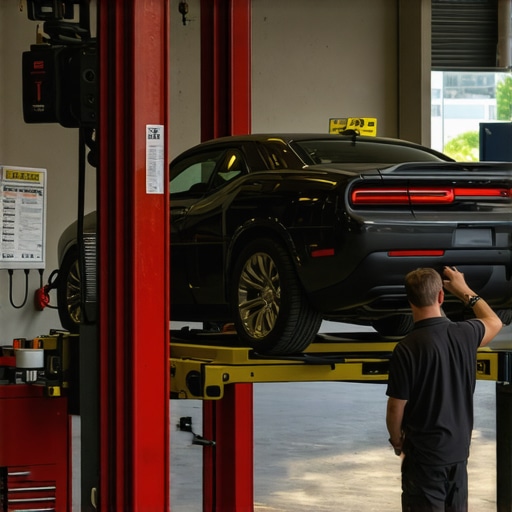
I remember the exact moment I felt my stomach tighten as I looked at the surprisingly high bill after a routine brake service. It was a lightbulb moment — how could a simple brake check turn into an unexpected, hefty charge? Like many car owners, I had trusted the shop to keep my vehicle safe, but I realized that some hidden fees sneaked in, making me question if I was overpaying without even knowing it. If you’ve ever found yourself in a similar boat, wondering whether your auto shop is charging fairly, you’re not alone.
Why Are Brake Service Fees Rising—and What You Need to Know
The automotive repair industry has seen rapid changes, especially with the upcoming 2026 standards and innovations. Many shops are now adding unseen charges, sometimes called “hidden fees,” that catch drivers off guard. These can include extra diagnostics, special disposal fees for the old brake fluid, or charges for parts that weren’t initially discussed. According to a recent consumer report, nearly 65% of car owners suspect they’re overcharged during repairs, often due to unclear billing practices.
But here’s the real kicker: some of these fees are legitimate, and others are unnecessary extras designed to pad the bill. The challenge is distinguishing between what’s essential and what’s a cash grab.
Have you noticed costs creeping up with each brake service, even when your car seems to be performing the same? If yes, it might be time to scrutinize your receipt more carefully.
A mistake I made early on was assuming all charges were standard. I didn’t ask for a detailed explanation of each fee and later realized I was paying for extras I didn’t need. That experience taught me the importance of asking upfront about every charge, especially with the new fees that are emerging as part of the 2026 updates.
In the next sections, we’ll delve into how to identify these sneaky fees, how to talk to your mechanic about costs, and how to save money without compromising safety. But first, let’s examine whether these charges are truly necessary or just another way shops make a quick buck.
Get Clear on Your Brake Service Costs Beforehand
When I scheduled my next brake check, I made a habit of calling ahead and asking for a detailed quote. I explained that I wanted to understand every fee, from rotor resurfacing to brake fluid replacement. This avoided surprises and gave me leverage to compare quotes. Think of it like shopping for groceries—you wouldn’t pay full price without knowing the actual cost. Use this approach to prevent being overcharged and to identify unnecessary add-ons that some shops might sneak in.
Ask for Detailed Estimates and Understand the Breakdown
During my visit, I requested a written estimate breaking down parts, labor, and extra charges. This transparency is crucial. For example, if a shop suggests replacing brake pads, ask why, and whether cheaper alternatives are viable. If a fee sounds questionable, don’t hesitate to ask for clarification or to compare it against other estimates. Remember, a reputable shop values transparency as much as safety; if they dodge questions, consider shopping around.
Learn the Key Symptoms of Unnecessary Fees
Knowing common red flags helps. For instance, an unexpected ‘disposal fee’ might not be necessary if your shop includes it in the overall price. Similarly, extra diagnostics should be explained—are they genuinely needed or just a way to add charges? By familiarizing yourself with typical charges, you’ll spot when a mechanic is padding the bill. Check out our detailed guide on [hidden brake service charges](https://glassfixauto.com/3-hidden-brake-service-signs-your-2026-dashboard-missed) to understand what to watch for.
Develop Communication Strategies with Your Mechanic
Practicing assertive communication reduces opportunities for unnecessary charges. For example, I politely said, “I only want repairs that are necessary for safety, and I’d like to approve each additional cost before proceeding.” This not only saves money but also fosters mutual respect. If the mechanic suggests additional work, ask if it’s critical now or can wait until the next visit. Remember, a good mechanic appreciates informed customers.
Monitor Your Repair History and Keep Records
Keeping track of previous brake services and receipts helps identify patterns or repeated charges. I also write down what repairs were done and when, so I can spot if a shop recommends unnecessary follow-ups. It’s like keeping a health journal—your car’s maintenance history guides smarter decisions. If you notice inconsistent or inflated charges, you can challenge them or seek a second opinion.
Be Proactive in Negotiating and Seeking Alternatives
Don’t accept the first quote—shopping around can save hundreds. When I received an inflated estimate, I used online research and comparison shops to negotiate a better deal. Mentioning that I was aware of standard rates encouraged the shop to match or beat competitors. Sometimes, having a sense of what others are charging makes a significant difference. Use online resources or [cost guides](https://glassfixauto.com/why-your-brakes-squeal-4-brake-service-fixes-for-2026) to arm yourself with facts.
Many car enthusiasts and everyday drivers alike walk into auto repair shops with misconceptions that can compromise the quality of service or lead to unnecessary expenses. Let’s challenge some of these beliefs and shed light on the hidden nuances that most people overlook.
First, a pervasive myth is that every repair shop always recommends the utmost repairs to maximize profit. While some shops may take advantage, reputable mechanics prioritize safety and accuracy over upselling. According to automotive expert John Paul, the key is understanding the real cause of your car issues rather than accepting every suggested repair at face value. This awareness helps you evaluate whether a service is truly necessary.
Another common mistake is assuming that newer cars require less maintenance or can skip regular inspections. In reality, modern vehicles come equipped with complex electronic systems that, if neglected, can lead to costly failures. For instance, neglecting routine tune-ups might cause issues like engine misfires or decreased fuel efficiency—problems that are often preventable. Consider consulting specialized guides like [4-proven tune-up tactics for 2026-coldd start issues](https://glassfixauto.com/4-proven-tune-up-tactics-to-fix-2026-cold-start-issues) to understand the advanced maintenance needed for newer models.
One trap that often ensnares even experienced drivers involves the misconception around brake service costs. Many believe that replacing brake pads alone is sufficient, but neglecting other crucial components like calipers or rotors can lead to uneven wear or complete brake failure. It’s essential to recognize that comprehensive brake maintenance not only improves safety but also prevents expensive repairs down the line. If you’re curious about how brake system issues can hide behind seemingly minor symptoms, check out [steering wheel shaking fixes](https://glassfixauto.com/4-suspension-repairs-to-fix-a-heavy-steering-wheel-in-2026) for insights.
A nuanced point many miss is the importance of diagnostics in modern vehicle repair. Some drivers rely solely on symptoms, assuming the cause is obvious, but this can lead to improper repairs. Advanced diagnostics, especially with the 2026 standards, offer precise identification of issues like sensor failures or software glitches. Skipping this step can cause unnecessary part replacements or overlooked problems. For a detailed look into diagnostics, see [brake sensor warnings](https://glassfixauto.com/4-brake-fluid-warning-signs-for-your-2026-summer-road-trip).
Equipping Your Garage for Long-Term Maintenance
Maintaining your vehicle’s performance over time requires more than just basic tools. I rely heavily on a high-quality digital multimeter for diagnosing electrical issues, especially since modern cars, like those mandated by 2026 standards, heavily depend on onboard electronics. A reliable scan tool, such as the Autel MaxiSys MS909, is invaluable for reading and clearing diagnostic trouble codes, giving me immediate insights into sensor failures or engine misfires. For brake-related concerns, a set of certified brake caliper compressors saves time and ensures safe handling during pad or rotor replacements.
Why I Invested in a Quality Torque Wrench
Proper torque application is critical, particularly with components like wheel lug nuts or brake calipers. I personally use a digital torque wrench from GearWrench because it provides precise measurements, preventing over-tightening that can warp rotors or under-tightening that causes safety issues. This investment has saved me from multiple unnecessary trips to the mechanic and ensures my repairs meet manufacturer specifications, prolonging the lifespan of crucial parts.
Adopting Software and Maintenance Trackers
To keep tabs on my vehicle’s maintenance schedule, I utilize a dedicated app such as MyCarFax or Moov. These tools store service histories, alert me when it’s time for a tune-up, or fluid replacement, like brake fluid or engine coolant. Staying organized helps me identify patterns that may indicate early signs of impending issues, such as losing power on hills—an issue I tackled with targeted tune-up tactics outlined in a recent guide. These steps are especially essential as vehicle complexity increases with new standards.
Preventive Measures with Proper Fluid Testing
Regularly checking fluid levels and quality is an underrated aspect of vehicle maintenance. I use a refractometer for brake fluid and engine coolant, which allows me to assess whether the fluids are still within optimal range or need changing. For example, a cloudy brake fluid might indicate moisture contamination, requiring immediate attention. Implementing these diagnostic techniques has helped prevent safety-critical failures, notably in complex braking systems.
How do I maintain safety and efficiency over time?
Consistent use of these tools and a disciplined maintenance schedule ensure my car runs optimally, avoiding costly repairs. For instance, tuning up the engine with proven tactics such as those discussed here prevents cold start issues and maintains fuel efficiency. I highly recommend trying out a diagnostic scan and fluid analysis this month—it’s a small investment that pays big dividends in reliability and safety. As automotive technology continues to evolve, staying ahead with the right tools makes all the difference for long-term vehicle health.
The Hardest Lesson I Learned About auto repair, brake service, car service, tune up
One of my biggest revelations was realizing that not all fees are created equal. Sometimes, what seems like a standard brake service can include hidden charges that inflate your bill without clear explanation. This lightbulb moment taught me to always request a detailed estimate and question every line item before approving repairs. Learning to advocate for myself in auto shops transformed how I manage my vehicle maintenance.
3 Myths About auto repair, brake service, car service, tune up That Held Me Back
Many drivers believe that newer cars don’t need as much attention or that all brake repair costs are unavoidable. But the truth is, modern vehicles demand specific tune-up strategies, especially with the 2026 standards on the horizon. Disregarding these misconceptions can lead to overlooked issues and unnecessary expenses. I found that staying informed about industry changes helped me choose the right services at fair prices.
What Experts Won’t Tell You About auto repair, brake service, car service, tune up
Experts often recommend routine diagnostics to prevent costly breakdowns, but what many don’t mention is how to spot when those diagnostics are being used as a way to push unnecessary repairs. Being aware of red flags like unexplained diagnostic fees or vague estimates enabled me to push back and negotiate better deals. Knowledge is power when it comes to keeping your car safe and your costs down.