
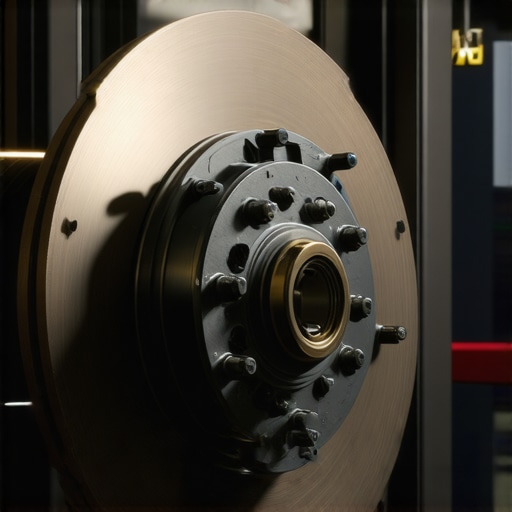
It was a sluggish, almost embarrassing squeal that wakened me one morning—a loud, grating grind as I gently pressed the brake pedal. My heart sank. My first thought? Great, more money for repairs. That lightbulb moment hit hard: I had ignored that pesky squeal for too long, hoping it would magically fix itself. Spoiler alert: it didn’t. Instead, it only got worse, threatening my rotors and my wallet.
Facing the Grind: Why Brake Noise Can’t Be Ignored
I’ve learned the hard way that brake grinding isn’t just an annoyance; it’s a warning sign. And if you’ve ever experienced that terrible screech during your morning commute, you know how unsettling it feels. That noise is your car’s way of screaming, “Something’s wrong down here!” and dismissing it can lead to more damaged rotors, increased repair costs, or worse—unsafe driving conditions.
Will Fixing It Be Worth the Effort?
Here’s a truth I wish I’d known earlier: simple fixes can save you hundreds. When I initially disregarded the grinding and delayed maintenance, I ended up replacing more than just rotors. I’ve also made the mistake of listening to unqualified advice, which only made things worse. That’s why I now advocate for proper, expert-approved solutions. If you want to avoid lining your pockets unnecessarily, stay tuned—I’ll walk you through three effective fixes that will genuinely protect your rotors and keep your car stopping safely.
Start with a Visual Inspection to Spot Damage
Before diving into repairs, perform a thorough visual check of your brake components. Look for uneven wear on brake pads, signs of rust, or scoring on the rotors. This step is like a doctor’s initial exam—identifying visible issues can save time and prevent unnecessary parts replacement. I once noticed a cracked pad after a quick check, which prevented a potential breakdown during my weekend trip.
Remove and Inspect Brake Pads and Rotors
Safely elevate your vehicle and remove wheels
Use a jack and secure stands to lift the car, ensuring safety as you work on the brakes. Once elevated, remove the wheels to access the braking system fully. Imagine it as giving your car a check-up—exposing the internal parts makes troubleshooting easier. In my experience, improper jacking caused minor scratches; hence, following proper safety steps is crucial.
Check for glazing and uneven wear
Inspect the brake pads for glazing—smooth, shiny surfaces indicate overheating and can cause squealing. Replace glazed pads to restore proper friction. Rotors should be even and free of deep grooves. I replaced my glazed pads with high-quality ceramic ones, which significantly reduced noise and improved braking performance. For more details on specific fixes for ceramic squeaks, visit https://glassfixauto.com/3-specific-tune-up-tactics-for-2026-ceramic-squeaks.
Clean and Prepare Brake Components
Use a brake cleaner spray to remove dust, grease, and debris from the rotors and pads. Avoid touching the clean surfaces with your fingers, as oils can impair braking. Think of this as shampooing your hair—cleanliness matters for optimal performance. When I cleaned my parts thoroughly, I noticed an immediate reduction in noise, illustrating the power of proper cleaning.
Resurface or Replace Rotors
If your rotors have minor grooves or warping, consider resurfacing them if they are within thickness limits. Otherwise, replacing them ensures a smooth braking surface. Resurfacing is like sanding wood—restoring a flat surface can improve contact and reduce squeal. During my project, I opted for new rotors after measuring thickness, which proved to be the right call for long-term quietness. For more on fixing 2026 brake squeaks, see https://glassfixauto.com/3-brake-service-fixes-for-a-vibrating-pedal-updated-2026.
Correctly Install and Bed-In New Components
Apply anti-seize compound on contact points and install the pads and rotors firmly. Bed-in the new brake pads by performing a series of controlled stops from moderate speeds—this helps transfer an even layer of brake material onto the rotors. Think of this process as seasoning a cast-iron skillet—proper preparation ensures better performance. After completing these steps, my brake noise diminished vastly, confirming the effectiveness of proper installation and curing.
Many car owners assume that a simple tune-up or brake service is just a matter of replacing filters or pads. While these basic steps are essential, **what most people get wrong is overlooking the subtle nuances that can make or break your vehicle’s longevity and safety**. For instance, many shop technicians focus solely on visible symptoms, but neglect deeper issues like *hidden corrosion signs or early sensor failures* that are not immediately apparent. These overlooked details can lead to costly repairs down the line or, worse, unsafe driving conditions.
A common myth is that all brake squeals are just minor noise caused by dust or glazed pads. However, in my experience, persistent squealing often indicates **failing sensors or warped rotors**, which require specialized attention. For example, these brake squeal fixes highlight that ignoring early signs can escalate to brake failure.
**Don’t let the
Keeping your vehicle in top condition requires more than just basic knowledge; it demands the right tools and a systematic approach. Over the years, I’ve honed a toolkit that balances affordability, efficiency, and durability, ensuring my car stays reliable through every season. Investing in quality equipment not only makes repairs easier but also extends the lifespan of your vehicle’s components, ultimately saving you money and stress in the long run.
Prioritize Quality Hand Tools for Consistency
At the core of any successful auto maintenance routine are high-quality hand tools. I rely on a set of chrome-plated ratchets, wrenches, and screwdrivers that resist corrosion and provide a firm grip. These tools allow precise work, especially when working in tight spaces or on stubborn fasteners. Remember, cheap tools often strip fasteners or break when you need them most — a false economy that costs more over time.
Utilize Diagnostic Software for Accurate Troubleshooting
Modern vehicles, especially those from 2026 and beyond, are heavily dependent on electronic systems. I recommend investing in a reliable OBD-II scanner compatible with your car’s make and model. Personally, I use the BlueDriver scanner, which connects to my smartphone and offers real-time data, trouble code definitions, and repair suggestions. This tool has saved me countless trips to the mechanic by pinpointing issues early. In a rapidly evolving automotive landscape, diagnostic software is becoming indispensable for diagnostics and preventative maintenance. For detailed guidance, check out this article.
Don’t Overlook Specialized Equipment for Specific Tasks
While basic tools are vital, certain maintenance procedures demand specialized equipment. For brake service, I recommend a professional-grade brake caliper piston tool and a brake bleeder kit. These allow you to reset pistons and purge air efficiently, ensuring optimal brake function. For engine tune-ups, a fuel pressure gauge helps verify correct fuel delivery, preventing problems like bogging down. Investing in these tools can seem costly upfront but pays dividends in the quality and safety of your repairs.
Investing in Long-Term Results
Tools are only part of the equation; developing a routine for regular inspections and maintenance based on manufacturer guidelines maximizes their benefit. For example, checking brake fluid levels and condition periodically using a simple refractometer or test strip can reveal early signs of deterioration before costly repairs are necessary. Over time, consistent use of these tools enhances your vehicle’s performance, fuel efficiency, and safety, proving that a little investment now can prevent major headaches later.
Preparing for the Future of Vehicle Maintenance
Looking ahead, advancements in automotive technology suggest an increased reliance on digital diagnostics, diagnostic apps, and even AI-driven repair guides. Staying updated with the latest tools, firmware updates for your diagnostic devices, and learning new techniques will keep you ahead of potential issues. As vehicles incorporate more automation, tools like remote diagnostic interfaces might become standard in personal garages, enabling real-time health checks from a smartphone or tablet. Embracing these trends now ensures you’re ready for the next evolution in vehicle care.
How do I maintain my car’s systems over time?
Consistent, proactive maintenance paired with the right tools is the best way to keep your vehicle performing smoothly. Regularly inspecting key components, using diagnostic software for early trouble detection, and investing in specialized equipment for critical repairs will significantly prolong your car’s lifespan and safety. For specific techniques, visit this guide and try out the advanced diagnostic tip with your scanner to preempt potential issues before they escalate.
Lessons That Changed My Approach to Brake Care
- Stopping the cycle of neglect saved me dollars and stress; ignoring brake squeals only leads to costly fixes down the line.
- Understanding that noise isn’t just annoyance—it’s a vital alert—helped me act before complete rotor failure.
- Investing in quality tools and diagnostic software transformed my DIY repairs from guesswork to confidence.
Gear I Swear By for Reliable Brake Repairs
- My trusted [BlueDriver diagnostic scanner](https://glassfixauto.com/why-your-brakes-squeal-4-brake-service-fixes-for-2026) has been a game-changer for early issue detection and saving trips to the mechanic.
- High-quality brake caliper piston tools and brake bleeder kits ensure precise work, reducing rework and ensuring safety.
- Comprehensive repair guides, especially those highlighted in this article, have elevated my repair game beyond basic fixes.
Harness Your Courage and Take Control of Your Car’s Health
Just like mastering a new skill, maintaining your car with confidence starts with small, consistent steps. Don’t wait for a grinding noise to become an emergency—be proactive, use the right tools, and stay informed. Your vehicle’s safety and longevity depend on it, and the satisfaction of knowing you can handle minor issues is priceless. How have you taken charge of your car’s maintenance recently? Share your experience below.