
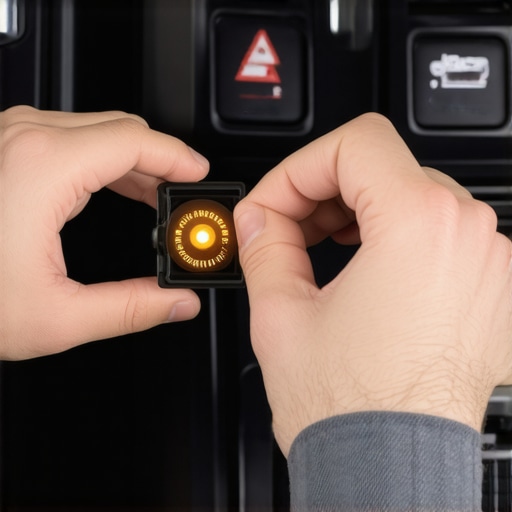
I remember the moment clearly. I was sitting in the car, fuming after yet another costly full tune-up, only to realize my engine performance hadn’t improved. It was like throwing money into a pit. That’s when the lightbulb went off—why was I overspending on a complete tune-up when all I needed was a simple sensor replacement? This pattern isn’t unique to me. Many drivers get caught in the trap of overpaying because they follow the traditional, often unnecessary, full-service approach.
How to Avoid Wasting Money on a Complete Tune-Up When a Sensor Fix Will Do
Is a Full Tune-Up Truly Necessary Every Time?
Early in my auto repair journey, I made the mistake of trusting that a full tune-up was always the best solution. Turns out, sometimes it just fuels the expense without solving the actual problem. Modern vehicles are more sophisticated; often, a specific sensor—like the oxygen sensor or MAF sensor—can be the culprit. Replacing just that component can save you hundreds, if not over a thousand dollars, compared to a comprehensive tune-up. According to automotive experts, targeted repairs like sensor replacements can be more effective and economical, especially when diagnosed correctly. So, why follow the routine of a full tune-up when pinpointing the precise issue can do the trick?
Have you ever paid for a full service only to find the problem persists? If yes, you’re not alone—and I’ll show you how to change that.
What’s Holding You Back From a Perfect Fix?
A common skepticism is whether addressing only a sensor will truly improve your car’s performance. It’s understandable to worry about missing hidden issues or wasting money on unnecessary parts. Plus, there’s always the concern that a mechanic might push for more extensive work. From my own experience, trusting this targeted approach requires a bit of research and a good diagnostic from a trusted shop. I once ignored a sensor issue, thinking it was a quick fix, but it turned out I was avoiding a more serious problem that needed attention. The key lesson? Always seek a second opinion or a thorough diagnosis before committing to extensive repairs.
Now, with that foundation laid, let’s dive into the practical, step-by-step process to identify when you only need a sensor replacement instead of a full tune-up. This not only saves you money but also gets your car back on the road faster and more reliably.
Assess the Problem Before Visiting the Shop
Start by observing your vehicle’s symptoms carefully. For instance, if your engine stalls or runs rough during acceleration, it could be linked to a faulty sensor rather than requiring a full tune-up. Think of your car as a human body: a fever doesn’t always mean you need a full hospital stay, sometimes it just needs the right medication. I once experienced a rough idle that turned out to be a dirty mass airflow sensor. Cleaning it temporarily improved performance, but replacing the sensor provided a long-term fix, saving me unnecessary expenses.
Use Diagnostic Tools or Seek Expert Input
Invest in a basic OBD-II scanner or visit a trusted mechanic for a diagnostic check. These tools can read error codes pointing directly to faulty sensors, such as oxygen or throttle position sensors. When I faced a check engine light, I borrowed an OBD-II scanner and identified a misfire code related to a faulty camshaft sensor. Instead of a costly tune-up, I replaced the sensor and avoided other unnecessary repairs. Proper diagnosis can prevent you from falling prey to shops pushing for full service when a minor fix suffices.
Research Common Sensor Failures
Familiarize yourself with your vehicle’s common sensor issues. For example, oxygen sensors tend to fail after 75,000 miles, causing poor fuel economy and sluggish performance. Knowing this, I proactively replaced my oxygen sensor at 80,000 miles, which was less expensive than a full tune-up and significantly improved my mileage. Regularly checking for sensor-related problems can help you catch issues early, avoiding costly repairs later.
Replace Sensors Yourself or Prepare for Cost-Effective Repairs
If you’re comfortable with basic auto maintenance, replacing a sensor can be straightforward. Locate the sensor, disconnect the wiring, and unscrew it with a wrench. I replaced a cracked MAP sensor myself after watching a tutorial, saving labor costs. However, if uncertain, request a targeted diagnosis from your mechanic. Some shops may try to push unnecessary services, but pointing them to diagnostic codes or reputable guides can help you stay on budget. Remember, a simple sensor replacement often outperforms a full tune-up in resolving specific issues.
Verify the Repair’s Effectiveness
After replacing the sensor, clear the error codes and test the vehicle under different conditions. If the check engine light turns off and performance improves, you’ve likely resolved the problem. For instance, after replacing my oxygen sensor, I noticed smoother acceleration and better fuel economy, confirming the fix. Regular monitoring ensures that the repair is lasting and prevents future expenses caused by overlooked issues.
Many car owners believe that sticking to basic service schedules guarantees their vehicle’s longevity, but the truth is often more nuanced. For example, common myths like “regular tune-ups prevent all engine issues” can lead drivers to overspend on unnecessary procedures. In reality, modern vehicles are equipped with sensors and systems that, if properly diagnosed, can identify specific problems without full-scale repairs, saving you time and money.
A critical mistake I’ve seen repeatedly is trusting routine procedures blindly instead of focusing on diagnostics. For instance, replacing all spark plugs every 30,000 miles might be standard advice, but many vehicles’ manufacturers now recommend much longer intervals unless sensors detect misfires or failures. Rushing into full-service without verifying actual issues can be a costly error.
Is a Complete Service Package Always Worth It, or Are You Missing the Point?
This is where many drivers get caught in a trap. Shops and dealerships often push comprehensive packages, implying they’re the safest choice. However, seasoned mechanics know that targeted repairs based on diagnostic error codes are more effective. For example, instead of a full brake overhaul, quickly identifying a failing brake sensor or uneven pad wear can prevent unnecessary replacements. Not only does this approach cut costs, but it also minimizes environmental waste and preserves vehicle integrity.
Knowing when to skip the full tune-up can extend your car’s lifespan while maintaining optimal performance. Be cautious of hidden charges, too, because some shops add unnecessary services under the guise of ‘comprehensive’ care. Always ask for diagnostic results and get a second opinion if in doubt.
Have you ever fallen into this trap? Let me know in the comments.
Another nuance is how ambient conditions influence your vehicle’s needs. For instance, cars in humid climates might experience faster brake corrosion, making regular inspections critical. Many drivers neglect this aspect, leading to sudden brake failures. It’s vital to understand these environmental factors and adapt your service routine accordingly. Properly maintaining your brakes, especially by following proven brake service tactics, can significantly improve safety.
Finally, the advanced mistake drivers often make involves neglecting the warning signs of sensor failures. Modern sensors communicate with vehicle control units programmed to alert you via dashboard lights or performance issues. Ignoring these signals can lead to more costly repairs down the line. Regular diagnostics and understanding these subtle cues are your best defense.
In conclusion, focus on precision diagnostics instead of routine replacement rituals. Recognizing the deeper nuances in car maintenance helps you avoid unnecessary expenses and keeps your vehicle running smoothly. Equip yourself with knowledge — and always question the recommended “one-size-fits-all” solutions.Maintaining your car’s performance over time requires more than just basic knowledge—it demands the right tools and practices. Personally, I rely on a combination of advanced diagnostics and precise equipment to ensure every repair is effective and long-lasting. For instance, I consistently use the Autel MaxiCOM MK808 scanner, which provides comprehensive vehicle diagnostics, including access to OEM-specific codes. This tool allows me to accurately identify issues like sensor failures or ECU glitches without unnecessary guesswork, saving time and money.
Another essential device I recommend is a high-quality digital multimeter, such as the Fluke 117. It’s invaluable for testing electrical systems, ensuring sensors and actuators operate within manufacturer specs. When I troubleshoot a vehicle that’s experiencing irregular idling or unpredictable sensor warnings, I use this multimeter to measure voltage and resistance precisely, which helps me isolate faults quickly and confidently.
Beyond hardware, software plays a pivotal role. I use factory-grade diagnostic software like Bosch’s ESI[tronic] to access detailed repair information, wiring diagrams, and service bulletins directly from the vehicle manufacturer. This intel is critical for troubleshooting complex issues—particularly for newer models where sensor calibration or ECU updates can be subtle yet impactful. Relying solely on generic codes can lead to unnecessary parts replacement; the software guides me to the exact fix, improving efficiency and reducing costs.
Looking ahead, the trend is moving towards more integrated diagnostic systems that combine hardware and AI-based analysis. This evolution promises even faster and more accurate repairs. For modern car enthusiasts and professionals alike, investing in the right tools is non-negotiable—it’s about making repairs smarter, safer, and more sustainable.
How can I best maintain my tools over time?
Regular calibration and proper storage of your diagnostic equipment are vital. For example, keeping your multimeter and scanner’s firmware updated ensures compatibility with the latest vehicle systems. Periodic cleaning and careful handling prevent damage and extend lifespan. Additionally, subscribing to manufacturer updates and databases ensures your software remains current, avoiding false diagnostics or missed fault codes. This proactive approach guarantees your tools continue delivering reliable results, preserving the accuracy of your repairs for countless miles ahead. Want to make a tangible difference? Try integrating a professional-grade diagnostic scanner into your routine—it’s a game-changer for long-term vehicle health.
The Hardest Lesson I Learned About Car Service and Auto Repairs
One of the most powerful insights I gained was understanding that a targeted diagnosis can save you hundreds or thousands. Relying solely on routine methods often leads to unnecessary expenses; instead, knowing what to ask for—like sensor-specific repairs—can be transformative.
How False Promises in Repair Shops Can Cost You
I realized that many workshops push comprehensive tune-ups without diagnosing the exact issue, which can result in paying for work you don’t need. Trusting the right diagnostic tools and second opinions changed my approach and saved my budget.
The Moment I Embraced DIY Tools for Better Repairs
By investing in a quality OBD-II scanner and learning basic sensor replacement techniques, I gained control over repairs, ensuring I only paid for what was necessary. This shift empowered me and prevented overcharging or unnecessary work.
What I Wish Every Car Owner Knew About Sensor Failures
Most problems with engine performance are related to specific sensors. Recognizing early signs and knowing how to verify them with simple tools makes the difference between costly repairs and quick fixes.
Embrace Smart Maintenance and Stay Ahead
Continuing to educate myself on vehicle diagnostics and environmental influences allows me to maintain my car better and avoid surprise breakdowns. Investing in the right tools and knowledge forms the backbone of cost-effective, reliable car care.
Comments are closed.