
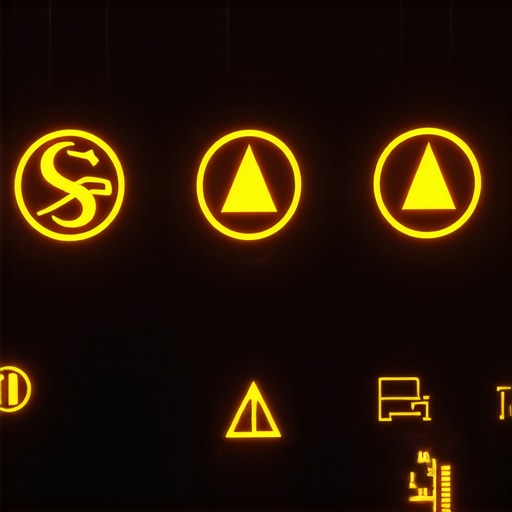
I’ll never forget that sinking feeling when I saw my dashboard light flicker on during a morning commute. My stomach clenched as I wondered, “Is this just a $50 fix or a sign of a costly engine rebuild?” That moment of uncertainty is all too familiar for many drivers. We’ve all been there—frozen in place, trying to decide whether to dash to the mechanic or ignore the warning, hoping it’ll just disappear. But here’s the truth: those lights are your vehicle’s way of begging for attention. Ignoring them can lead to big expenses or dangerous breakdowns.
Why Knowing the Real Deal Matters More Than Ever
Understanding whether that warning light signals a simple fix or a major issue is not just about saving money—it’s about safety and peace of mind. Early in my repair journey, I made the mistake of dismissing a warning, only to find out later I was dealing with an engine issue that could have been prevented. That taught me a valuable lesson: being proactive saves time, money, and stress. According to the University of Michigan Transportation Research Institute, ignoring dashboard warnings can lead to an average repair cost that’s three times higher than addressing the issue promptly. So, how can you tell if that light is a quick fix or something serious?
Is Your Dashboard Warning Overhyped or Really Critical?
Many drivers, myself included at one point, assume that all warning lights are either false alarms or minor problems. I used to think, “It’s probably just a sensor error, nothing to worry about.” Turns out, that was a costly mistake. Early on, I overlooked a warning related to brake fluid and dismissed it as a minor inconvenience—only to experience brake failure during a rainstorm. That experience reinforced the importance of accurately assessing warning lights. To do that, it’s crucial to avoid common pitfalls, like jumping straight to conclusions without doing a little homework. For instance, a quick online check can reveal if that warning light ties into a known issue—saving you from unnecessary repairs or dangerous situations.
To help you avoid these costly blunders, I’ll walk you through some practical steps so you can confidently figure out if it’s a quick roadside fix or a sign of major trouble. Ready to become your own dashboard detective?
Start with the Owner’s Manual
Pull out your vehicle’s manual, which is like your car’s instruction booklet. It explains what each warning light signifies. For example, if the engine light comes on, check the manual to understand if it’s a minor alert or something urgent. I once ignored an oil change indicator, dismissing it as a glitch—only to find my engine was running low on oil, risking severe damage. Keep the manual handy for quick reference.
Perform a Visual Inspection
Before diving into complex diagnostics, do a quick check under the hood. Look for leaks, damaged wires, or loose belts. Think of this as a doctor’s quick palpation—sometimes, you can spot obvious issues without tools. Once, I noticed a disconnected hose that triggered a warning light. Reconnecting it resolved the alert immediately and saved me a trip to the mechanic.
Check Fluid Levels
Ensure fluids like oil, brake fluid, coolant, and transmission fluid are at proper levels. Use the dipstick or reservoir markings. Imagine these fluids as the blood for your vehicle—low levels can cause serious malfunctions. I saw my brake fluid warning after a fluid top-up, and topping off fixed the issue instantly, extending my brake system’s lifespan.
Scan the Vehicle with an OBD-II Scanner
This device is your car’s diagnostic tool, like a doctor’s stethoscope. Plug it into the port (usually under the dashboard) and read the trouble codes. My first experience was eye-opening when a scanner revealed a sensor malfunction, saving me from unnecessary repairs. These codes give you specific clues about what’s wrong, guiding your next steps.
Interpret the Codes Carefully
Don’t jump to conclusions. Some codes indicate minor issues, while others are critical. Use reputable sources like the manufacturer’s website or trusted auto guides to understand codes. For instance, a P0171 code indicates a lean mixture, which could be a sensor issue or a vacuum leak.
Prioritize Safety and Action
If the warning light indicates a serious problem—like engine overheating or brake failure—pull over immediately and prevent further driving. Don’t risk a breakdown or accident. For less urgent issues, plan to address them promptly but continue your trip safely. Remember, handling warning lights methodically keeps your vehicle—and all aboard—safe.
Limit Your Repairs to What You Can Handle
Many minor issues are repairable at home with basic tools. For example, replacing a faulty sensor or topping off fluids. Use online guides, like those linked at https://glassfixauto.com/3-electrical-checks-your-2026-car-service-is-likely-missing, to follow step-by-step instructions. However, avoid delving into complex repairs unless you’re confident; a simple mistake can void your warranty or worsen the problem.
When to Consult a Professional
If the warning persists after basic checks, or if you’re unsure about the codes, it’s time for a professional diagnosis. A qualified mechanic has diagnostic tools that can pinpoint issues faster and more accurately. Remember, attempting repairs beyond your skill level may lead to costly mistakes or voiding warranties. For essential safety components like brakes, always seek expert help—visit https://glassfixauto.com/4-proven-fixes-for-a-slipping-2026-transmission-save-1200 for insights on transmission repairs.
 When it comes to auto repair and maintenance, many car owners operate on assumptions that can lead to costly mistakes. One widespread misconception is that all brake services are about pad replacement; in reality, neglecting issues like brake fluid boiling can cause dangerous brake fade, as explained in [this article](https://glassfixauto.com/4-signs-your-2026-brake-fluid-is-boiling-safety-tips). Another myth is believing that a simple tune-up fixes all engine performance problems, but advanced issues like sensor misfires often require more nuanced diagnostics, such as checking for hidden sensor failures discussed [here](https://glassfixauto.com/is-your-2026-engine-dragging-try-these-3-quick-sensor-fixes). Many assume that DIY fixes always save money, yet improperly handling complex repairs or overlooked system interactions can void warranties or cause further damage. For example, replacing a component without addressing underlying causes like internal corrosion can lead to recurring issues, which you can learn about [here](https://glassfixauto.com/is-your-2026-brake-fluid-green-3-signs-of-internal-corrosion). Have you ever fallen into this trap? Let me know in the comments.
Mastering Maintenance with Precision Tools
Keeping your vehicle in top shape over time requires the right equipment and a disciplined approach. I rely heavily on a high-quality OBD-II scanner because it provides immediate access to diagnostic trouble codes, allowing me to pinpoint issues without guesswork. Personally, I prefer the Innova 5210 model; its user-friendly interface and comprehensive code library save me time and money. For routine checks, I use a silicone-based inspection mirror to peek under the vehicle, ensuring there are no leaks or missing caps.
When it comes to fluid analysis, I swear by a digital hydrometer to verify coolant and brake fluid purity. Old fluids can cause corrosion and reduce braking efficiency, so maintaining proper fluid quality is crucial for longevity. Additionally, an infrared thermal camera helps me identify hotspots in electrical components, preventing potential failures before they happen.
Implementing Routine Checks for Sustainable Results
Performing regular maintenance isn’t just about having the right tools—it’s also about establishing a schedule. I recommend setting reminders for oil changes, filter replacements, and fluid flushes based on your vehicle’s manufacturer guidelines. Using a service log app can streamline this process, tracking repairs and alerts systematically. I personally use CarComplaints to stay informed about recalls or common issues in my vehicle’s model, so I can address them proactively.
How do I maintain car health over time?
Fostering long-term performance involves more than just routine checks; investing in reliable tools and understanding simple diagnostic tactics ensures your vehicle remains dependable. For example, regularly inspecting brake pad wear can extend their lifespan significantly. I encourage you to try calibrating your sensor systems periodically—the peace of mind and savings are well worth the effort.
Looking Ahead: The Future of Auto Maintenance Tools
Advancements in diagnostics, such as wireless OBD-II adapters and AI-powered maintenance apps, are shaping the future. These technologies promise even more accurate insights and real-time monitoring, making preventative care more accessible. As these innovations become more integrated into everyday driving, staying updated with the latest tools will be essential for any car owner committed to long-term reliability. The trend toward smarter, connected vehicles suggests that self-maintenance could become more intuitive, allowing drivers to catch issues early and avoid costly repairs.
Lessons from the Garage That Changed My Outlook
- Never underestimate a warning light: Early in my car-care journey, I dismissed a check engine light, thinking it was just a sensor glitch. That oversight led to a costly engine rebuild—an experience that taught me the importance of taking every alert seriously, no matter how minor it seems.
- Tools can be your best friends: Investing in an OBD-II scanner transformed the way I diagnosed issues. Having quick access to trouble codes prevented me from unnecessary trips to the mechanic and helped me understand my vehicle better. Trusted tools like the Innova 5210 have been game-changers for me.
- Routine inspections save money and lives: Regularly checking fluid levels, belts, and hoses caught several problems before they became emergencies. Setting maintenance reminders ensures I don’t forget these vital checks, keeping my vehicle running smoothly and safely.
- Don’t guess — verify: Instead of jumping to conclusions about what a warning light means, I learned to consult the manual, research online, or use diagnostic tools. This approach saved me from unnecessary repairs and gave me peace of mind.
- Safety always comes first: Recognizing the difference between minor nuisances and critical issues can be life-saving. Pulling over during a brake warning or overheating alert ensures I avoid accidents and costly damages.
Tools That Keep Me Ahead of Problems
- OBD-II Scanners: Devices like the Innova 5210 are essential for quick diagnostics and understanding trouble codes, saving me time and money.
- Fluid Test Kits: Using digital hydrometers to verify coolant and brake fluid quality helps prevent internal corrosion and component failure—something I learned the hard way.
- Thermal Cameras: Infrared tools can reveal electrical hotspots, allowing me to catch potential failures early, avoiding breakdowns.
- Maintenance Log Apps: Digital tools to track service history and set reminders ensure I stay on top of scheduled maintenance, prolonging my vehicle’s lifespan.
Keep Your Car Healthy and Have Fun Doing It
Taking control of your auto maintenance might seem daunting at first, but with the right mindset and tools, it becomes rewarding. Regular checks, learning your vehicle’s signals, and making informed decisions not only save you money but also provide peace of mind. Think of your car as a trusted companion that rewards your care with performance and reliability. So, why not dive deeper and explore more effective maintenance strategies? Staying updated with the latest diagnostic tools will make you more confident every mile you drive.
What’s Your Next Move?
Have you ever struggled with interpreting a dashboard warning or choosing the right diagnostic tool? Share your experiences below—I’d love to hear your stories and tips for keeping your car in top shape.
Comments are closed.