
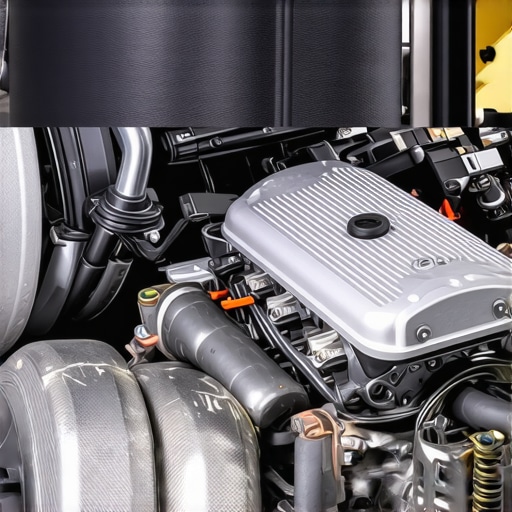
Ever been stopped at a red light, feeling that unsettling waddle from your car, wondering if you’ve suddenly become a human blender? I remember the first time my vehicle shuddered while idling—it caught me off guard, and I thought, “Great, here we go again with another expensive fix.” But as I dove into the problem, I discovered that not all vibrations stem from your obvious suspects, like engine mounts. Sometimes, the culprits are hidden deeper, and understanding these can save you both time and money.
Getting to the Root of That Idle Shake
Car vibrations at idle can be downright annoying—and you’re probably wondering if it’s something critical or just a minor annoyance. The truth is, a shaky engine when parked isn’t just an inconvenience; it could be a sign of underlying issues that, if ignored, might lead to more costly repairs down the line. My goal here is to help you identify some common reasons your car might be jittering at standstill—causes that have nothing to do with the mounts you’ve likely already checked. And yes, there’s a lot you can do yourself before heading to the shop.
Is It Really Worth the Fuss?
You might think, “It’s probably just a rough idle, no big deal,” but early on, I made the mistake of assuming my engine was just tired. Turns out, ignoring these signs can lead to engine misfires, rough acceleration, or worse—damage that requires a full rebuild. Trust me, I learned this the hard way. To avoid similar missteps, I recommend exploring how simple diagnostics and adjustments can resolve many of these issues without breaking the bank. For more insights, check out this guide on fixing engine hesitations.
Now that we’re clear on why this matters, let’s dig into the specific reasons your engine might be shaking when it’s just idling—starting with the less obvious ones that trip up even experienced DIYers.
Inspect Your Spark Plugs and Wires
Start by locating your spark plugs—these are the heart of your engine’s combustion. Remove a spark plug wire and inspect for signs of wear, corrosion, or carbon buildup. If you notice any issues, replace the spark plug or wire. I once had a misfire due to a cracked spark plug, which caused my engine to shake at idle. Swapping it out instantly smoothed my engine’s rhythm.
Test Your Fuel Injectors
Dirty or malfunctioning fuel injectors can cause uneven fuel delivery, leading to vibrations. Use a fuel injector cleaner additive or have them professionally cleaned. During a recent tune-up, I added a cleaner, and within a week, my engine’s idle vibration disappeared. For stubborn cases, consider professional cleaning or replacement of faulty injectors.
Check the Air Filter and Intake
A clogged air filter limits airflow, causing irregular engine performance. Remove the filter and hold it up to light; if it’s dark and dirty, replace it. Also, inspect the intake hose for cracks or disconnections. Cleaning these simple components can make a noticeable difference—like when I replaced a dirty air filter, my engine ran smoothly again.
Assess the Throttle Body
Find the throttle body—this controls air intake. Use throttle body cleaner and a soft brush to remove carbon deposits. A sticky throttle plate can cause rough idling. I cleaned mine with a specific throttle cleaner, and the engine stabilized immediately. Be careful not to damage sensors—consult your vehicle manual or a guide like this resource for detailed instructions.
Analyze the Sensors that Influence Idle
Sensors like the Mass Air Flow (MAF) or Throttle Position Sensor (TPS) can send false signals if faulty, causing shakes. Use a scan tool to check for error codes. If a sensor shows errors, replacing it can resolve vibration issues. For example, I diagnosed my MAF sensor with a code readout, replaced it, and my idle was perfectly smooth afterwards. You might want to see this guide on sensor fixes for detailed insights.
Verify Engine Mounts (Again)
Even if you’ve checked these before, ensure they’re in good condition. Worn mounts can amplify engine vibrations. Gently rock the engine by hand; if it moves excessively, mounts may need replacement. During my own check, I found one broken mount after an engine shake, and replacing it gave me peace of mind and smoother idling. Proper mount condition is crucial for reducing idle vibrations.
Regularly performing these steps can save you multiple trips to the mechanic and keep your vehicle running smoothly. Remember, some issues might be more complex, but many are within your reach—like cleaning the throttle body or replacing faulty sensors. For deeper diagnostics or if these steps don’t fix the issue, consulting a professional is advisable, but these fixes often tackle the root causes effectively.
Many car owners assume that following the standard repair protocols guarantees a lasting fix, but in reality, there are deeper nuances often overlooked that can lead to recurring issues or unnecessary expenses. One common misconception is that replacing parts like spark plugs or brake pads alone will always resolve problems—**but neglecting the underlying causes, such as sensor malfunctions or system software glitches, can render these fixes temporary**. For instance, many shop technicians may overlook the importance of verifying sensor readings, which can lead to misdiagnoses and failed repairs. Studies from automotive experts highlight that up to 30% of vehicle issues are caused by faulty sensors or control modules rather than mechanical parts directly responsible for visible symptoms, underscoring the need for advanced diagnostics.
A trap many fall into involves assuming that high-quality parts will always guarantee efficiency. However, if these parts are installed without updating vehicle software or calibrating sensors accordingly, the vehicle may not perform optimally. For example, a new brake sensor installed in a vehicle with outdated software might trip unnecessarily in humid conditions, causing the driver to replace parts repeatedly—an issue detailed in resource guides on [sensor-related brake problems](https://glassfixauto.com/is-your-2026-idle-rough-fix-these-4-sensors-to-save-fuel).
Advanced mistakes also include over-reliance on traditional maintenance routines without considering electronic system health. Modern vehicles increasingly depend on integrated electronic control systems; ignoring the importance of software updates or sensor calibrations during tune-ups can lead to persistent engine hesitations or irregular idling, which many owners struggle to diagnose on their own.
This is where professional knowledge becomes vital. Experienced technicians understand that hardware repairs must be complemented by correct software configurations to prevent issues from reemerging. For example, a [proper tune-up](https://glassfixauto.com/stop-overpaying-for-a-full-tune-up-when-you-only-need-a-new-sensor) today involves more than just mechanical adjustments—it requires comprehensive diagnostics to ensure all systems are synchronized.
By avoiding the assumption that mechanical fixes are always enough, and instead embracing a holistic approach—considering sensors, software, and mechanical parts—you can save significant time and money. Remember that not every warning light or symptom points directly to a mechanical failure. Sometimes, the root cause is electronic—like a worn sensor or outdated control module—and addressing this nuance can be the key to a true, lasting repair.
Have you ever fallen into this trap? Let me know in the comments.
Investing in the Right Equipment Keeps Your Vehicle Running Smoothly
Maintaining your vehicle over the long haul isn’t just about knowing what to do—it’s about having the right tools and systems in place. Personally, I swear by a high-quality
. This device has been a game-changer for me, allowing real-time monitoring of engine health and quickly identifying issues before they turn serious. Investing in professional-grade tools like this not only saves time but also provides a deeper understanding of your vehicle’s electronic systems, which are becoming more complex with each model year.
Why a Good Code Reader Is My Go-To
The diagnostic scanner I use plugs into my car’s OBD port and displays error codes instantly. It helps me pinpoint sensor faults, such as irregularities in the idle sensors, without the guesswork. The ability to clear codes and verify repairs adds confidence during long-term maintenance routines and when scaling up repairs for multiple vehicles.
Routine Checks That Pay Off Over Time
Beyond digital tools, regular physical inspections are vital. I recommend inspecting hoses, belts, and mounts every 10,000 miles. Mobile inspection kits with LED flashlights and mirror extensions make this straightforward. From my experience, catching a worn engine mount early prevents vibration issues from escalating and protects your investment.
How do I keep my car in top shape over the years?
Consistent maintenance, paired with the right equipment, is key. Regular oil changes, fluid flushes, and sensor calibrations ensure your vehicle maintains peak performance. I also suggest keeping a logbook or digital record of repairs and service intervals—this simplifies planning and helps identify emerging issues before they require costly repairs.
Scanning Software Will Shape the Future of DIY Maintenance
Looking ahead, I predict that enhanced automotive diagnostics will become more accessible. Advances in AI-powered software integrated with mobile apps are making complex analysis simpler for everyday car owners. This democratization of technology means that proactive maintenance will be within everyone’s reach, reducing dependency on costly repairs.
Make Your Maintenance Count: Use Advanced Tools Today
If you’re serious about keeping your car performing reliably, I urge you to try a professional-grade diagnostic scanner. It’s an investment that pays for itself by catching issues early and guiding precise repairs. For example, diagnosing sensor errors before they cause bigger problems can save hundreds annually, especially if your vehicle is prone to electronic glitches. Ready to give it a shot? Check out this guide on sensor troubleshooting and start streamlining your car maintenance today.
When I first started tackling engine vibrations and irregular idling, I thought I had it all figured out—until I realized there was always more beneath the surface. Diving deep into vehicle diagnostics taught me that many issues are interconnected, and sometimes the simplest fix is masking a more complex problem. Recognizing these nuanced lessons has made me a better DIY enthusiast and has saved me from costly repairs down the line.
What I Wish I Knew About Car Vibrations Early On
- Not all vibrations are created equal: At first, I thought a shaky engine during idle was just a minor hiccup. But often, it’s a sign of deeper issues like faulty sensors or worn engine mounts that require targeted fixes—knowing this saves time and resources.
- The importance of holistic diagnostics: Relying solely on replacing mechanical parts without checking electronic systems can lead to recurring problems. Investing in a good diagnostic scanner can reveal hidden faults, like sensor errors, before they manifest as physical damage.
- Sensor health affects engine harmony: Over time, sensors like MAF or TPS can send misleading data, causing engine shake. Regularly testing and calibrating these sensors helps maintain smooth idling and overall performance.
- Simple maintenance can prevent big headaches: Regularly inspecting hoses, belts, and mounts—even with basic tools—can catch issues early, preventing vibrations that could escalate into costly repairs.
- The value of the right tools and knowledge: A quality code reader and understanding common error codes equip you to diagnose problems accurately—empowering you to handle many issues without always running to the mechanic.
Tools and Resources That Changed My Approach
- OBD-II diagnostic scanner: This tool provides real-time engine data and error codes, saving me time and money during troubleshooting.
- Guides on fixing engine hesitations: Invaluable for understanding how sensor and mechanical issues interplay and how to address them effectively.
- Sensor troubleshooting resources: These articles helped me grasp the critical role sensors play and how proper calibration can smooth engine operation.
- DIY tune-up tips: Practical advice on cleaning throttle bodies and replacing spark plugs, which often resolve idle shakes without extensive repairs.
Embrace the Journey Toward Better Maintenance
Taking proactive steps, like using a diagnostic scanner and performing routine inspections, transforms car maintenance from a reactive chore into a confident, empowering routine. Remember, understanding the full picture—beyond just mechanical parts—can make all the difference. Whether you’re a seasoned DIYer or just starting, these lessons remind us that patience, proper tools, and continuous learning pave the way for a smoother ride. Are you ready to trust your own insights and keep your vehicle running like new? Share your experiences or questions below—I’m here to help you succeed.
Comments are closed.