
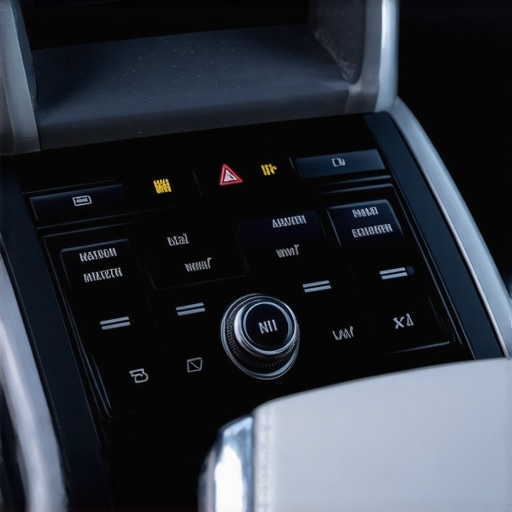
Have you ever been parked, cozy in your car during a chilly day, only to feel a strange shudder every time you flick on the heater? It’s a weird, unsettling feeling — like your vehicle’s about to give up and throw a tantrum. I remember the first time it happened to me. I was late for work, the engine was already cranky from the cold, and I needed that warm blast more than ever. But as soon as I turned the heater on, the car started shuddering like a leaf in the wind. That moment, I thought, “Great, a costly repair is looming,” and I won’t lie — I panic-tested all sorts of solutions before figuring out the real fix.
If you’ve faced this problem, you’re not alone. That unsettling shake is often a sign that something’s not quite right under the hood, and ignoring it can lead to bigger, more expensive issues down the line. Today, I want to help you understand why your car shudders when you turn on the heater and, most importantly, how to address it without draining your wallet. This isn’t just a minor annoyance—it’s a signal from your vehicle, telling you something needs your attention.
Understanding the root causes can seem daunting, but with a bit of know-how—and some practical tips—you can prevent a small problem from turning into a major headache. So, if you’ve been squeezing the last bit of warmth out of your car and feeling that tremor, stay with me. We’re about to delve into the common reasons behind this issue and provide proven solutions you can try yourself or show your mechanic. Trust me, once you fix this shudder, driving in winter will feel a lot less stressful.
Before we get into the nuts and bolts, a quick heads-up: I mistakenly overlooked the importance of regular transmission fluid checks early in my mechanical adventures, which led to a rough ride and unnecessary repairs. Learning from that mistake, I’ll be sharing some reliable tips that can save you from similar pitfalls.
Now, let’s get started with the first step to stop your car from trembling when the heater kicks in—and keep that cozy vibe alive during those frosty mornings.
Check the Transmission Fluid First
Start by inspecting your transmission fluid, as degraded or burnt fluid can cause engine hesitation when the heater is on. Locate your transmission dipstick—usually marked with “transmission”—and pull it out to check its color and level. If the fluid looks dark or smells burnt, it’s time for a flush. Regularly checking and maintaining your transmission fluid can prevent overheating and slipping issues, which often manifest as shuddering during heater use. Learn more about signs of burnt transmission fluid here.
Inspect and Replace the Cooling System Components
A failing thermostat or clogged radiator can lead to temperature fluctuations, causing your engine to shake when the heater kicks in. Begin by checking the coolant reservoir for proper levels and look for signs of contamination, like chocolate milk-like color indicative of internal corrosion here. If the coolant is old or contaminated, flush the system and replace the thermostat if it’s sticking. Proper coolant levels ensure optimal engine temperature, reducing vibrations stemming from temperature-induced engine stress.
Evaluate the Heater Core and Blower Motor
Sometimes, the heater core may clog or develop leaks, creating uneven heat distribution that can cause engine stress and vibrations. Use a flashlight to peek through the dashboard access panel or consult your mechanic for a thorough inspection. If you notice coolant leaks or strange odors, replacing the heater core might be necessary. Additionally, the blower motor’s dust buildup or malfunction can cause vibrations and noise—clean or replace it if needed. Keeping these components in top shape ensures smooth engine operation during winter.
Ensure Proper Engine Mounts and Suspension
Worn-out engine mounts can exaggerate vibrations when the engine is under load, specifically during heater operation, which adds extra strain. To test, gently accelerate and observe if the car rocks or if the vibrations intensify during heater use. If you notice excessive movement, inspecting engine mounts and suspension components is crucial. Replacing faulty mounts restores stability, preventing engine vibrations from transmitting to the cabin. Consider consulting a professional if you’re unsure how to proceed.
Perform a Vacuum Leak Test
Vacuum leaks can cause uneven air-fuel mixture delivery, leading to shaky operation, especially noticeable when the heater demands more airflow. To detect leaks, listen for hissing sounds around the intake manifold or use an automotive smoke machine to identify escaping air. Sealing vacuum leaks involves replacing cracked hoses or gaskets, which can significantly improve engine stability and eliminate the shuddering sensation during heater activation. Regularly inspecting these small but vital parts can save you from costly repairs later.
Address Fuel and Air Sensor Issues
Faulty sensors, such as the Mass Air Flow sensor or oxygen sensors, can mislead the engine control unit, causing unsteady idling or vibrations during higher loads like turning on the heater. Check your vehicle’s dashboard for warning lights, and if present, have the sensors tested. Cleaning or replacing these sensors ensures the engine receives accurate data, promoting smooth operation. For more insights on sensor maintenance, visit this guide.
Maintain Regular Tune-Ups and Service Intervals
A comprehensive tune-up can address multiple underlying causes of engine vibrations. During a tune-up, your mechanic should replace spark plugs, inspect the ignition system, and perform a thorough engine diagnostics check. Regular tune-ups prevent small issues like misfires or ignition timing errors from escalating into noticeable shaking when you switch on the heater. Keep your vehicle in optimal condition by scheduling routine maintenance, and you’ll reduce the chances of experiencing that unsettling tremor every winter morning.
Many car owners operate under misconceptions about routine services like tune-ups, brake work, and general auto repairs. One prevalent myth is that a standard tune-up is a quick fix that can be accomplished with minimal effort. In reality, a comprehensive tune-up often involves diagnosing and addressing underlying issues, not just replacing spark plugs or filters. Overlooking this nuance can lead to repeated breakdowns and increased costs, as detailed in this article. Another misconception is that brake pads are universally compatible, but the truth is that different driving conditions require specific pads; failure to choose the right type can cause uneven wear and noise, which is why regular inspection and expert advice are crucial. Many believe that brake fluid flushing is unnecessary until problems occur—however, studies show that timely flushing prevents internal corrosion and ensures brake responsiveness.
One advanced mistake that even experienced DIYers make involves neglecting the importance of proper diagnostic procedures. For instance, assuming engine surges or vibrations are only related to superficial fixes can be misleading. In complex cases, such symptoms might stem from subtle sensor failures or internal component wear that require specialized diagnostics, as per expert insights. Overlooking these nuances can result in wasted money on unnecessary parts and leaves critical issues unaddressed.
Furthermore, many assume that car warranties cover all repairs if done at authorized shops, but what many don’t realize is that performing repairs improperly or using non-approved parts can void warranties entirely. This trap often leads to costly repairs down the line. It’s essential to understand the fine print and follow the manufacturer’s recommendations—details that are frequently missed. For a deeper look into this, visit this resource.
So, what about the advanced questions car owners should ask themselves? When is a simple service actually pointing to deeper mechanical issues? How do sensors subtly influence overall vehicle performance, and how can one detect these problems early? For example, sensor problems often cause symptoms mistaken for wear and tear, leading owners to ignore vital signs.
In summary, to truly master auto maintenance, you must go beyond the surface and recognize the hidden nuances and traps. Regularly questioning conventional wisdom and seeking expert advice will save you significant costs and improve your vehicle’s longevity. Have you ever fallen into this trap? Let me know in the comments.
Why Having the Right Tools Matters
Maintaining your vehicle for the long haul requires more than just intuition; it demands the right equipment and a systematic approach. Personally, I rely on high-quality diagnostic scanners like the OBDeleven or BlueDriver to get real-time insights into my car’s health. These tools allow me to quickly identify sensor issues or error codes that could be causing subtle vibrations or engine surges. Investing in reliable diagnostic software isn’t just for mechanics—it’s a game-changer for DIY enthusiasts eager to catch hidden problems early.
The Power of a Good Code Reader
I’ve found that a trustworthy code reader accelerates troubleshooting during routine tune-ups. For example, if your engine is idling rough, a code reader might reveal issues with misfiring sensors, which you can then address before it escalates. Regularly scanning your vehicle helps in preventing transmission burns or other costly breakdowns. Over time, I’ve learned that this proactive habit pays off in saving repair costs and extending my vehicle’s life.
Essential Maintenance Tools for Auto Care
While software is vital, tangible tools hold equal importance. I always keep a quality socket set and diagnostic multimeter handy. The socket set enables me to handle routine brake inspections or replace parts like spark plugs without hassle. The multimeter is crucial for testing sensor voltages and confirming electrical connections. These tools have personally helped me spot issues that could lead to brake system failures or engine misfires.
Protocols for Long-Term Results
Consistency is key. I recommend creating a maintenance schedule that includes regular fluid checks—like inspecting transmission fluid for signs of burning, as detailed here. Moreover, tracking your vehicle’s sensor performance and replacing worn components before they cause dramatic failures can extend your car’s lifespan significantly. Using tools like a code reader during routine oil changes keeps minor issues from snowballing into major repairs.
Future Trends in Car Maintenance
Looking ahead, I believe integrating AI-driven diagnostic tools and remote monitoring systems will redefine auto maintenance. Imagine receiving alerts about worn-out parts or sensor anomalies directly on your smartphone, enabling proactive repairs. This evolution will favor those who already embrace digital tools and possess reliable diagnostic equipment. To stay ahead, consider investing in emerging tech that complements your existing toolset.
How do I maintain my tools and software over time?
Regular calibration and updates are critical. For example, keeping your diagnostic software up-to-date ensures compatibility with the latest vehicle models and sensor systems. Similarly, cleaning and maintaining physical tools like socket sets or multimeters prevent corrosion and ensure precision. A neglected tool can mislead diagnostics, leading to unnecessary repairs or missed issues. Remember, consistent upkeep of your equipment guarantees accurate readings and effective repairs over the years. For professional guidance, check out expert practices at this resource.
Now It’s your turn—try integrating a trusted code reader into your routine maintenance. Spotting sensor issues early can save you hundreds in repairs and keep your car running smoothly for years to come.
Little Lessons That Changed My Auto Care Approach
One of the most impactful lessons I learned was never to ignore small clues from my vehicle, especially subtle vibrations or strange smells—because they can be early signs of bigger issues. I also discovered that regular maintenance, like transmission fluid checks, isn’t just a chore, but a proactive step in avoiding surprise breakdowns. Lastly, I realized that investing in quality diagnostic tools empowered me to diagnose issues accurately, saving time and money, and giving me confidence on the road.
Gear Up With My Must-Have Auto Inspection Resources
For practical, reliable tools, I swear by the OBDeleven and BlueDriver diagnostic scanners—these have drastically improved my ability to catch sensor glitches early. When it comes to manuals, trusted repair guides from seasoned mechanics help me understand complex fixes without feeling overwhelmed. And I regularly consult auto maintenance checklists that keep my car running smoothly all year round.
Your Drive Toward Confident Car Care Starts Now
Getting ahead of car troubles, especially during winter, is about more than warranties or quick fixes—it’s about cultivating a mindset of ownership and curiosity. Embrace small diagnostics, invest in good tools, and never shy away from asking questions. The more you learn, the fewer surprises you’ll face. Remember, your vehicle is an extension of you—treat it with care, and it will serve you reliably for many miles to come. So, are you ready to take control and make your car maintenance routine smarter and more personal? Your journey begins now.