
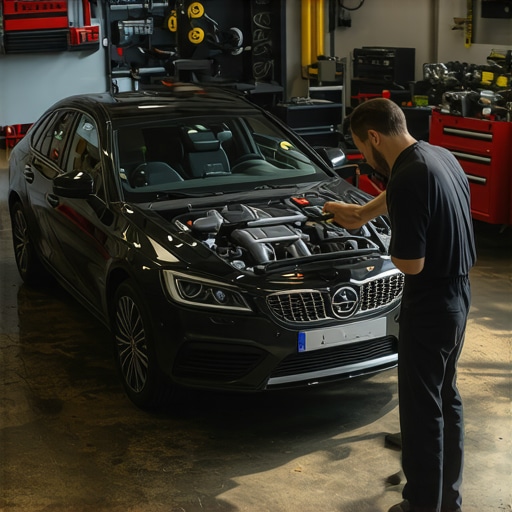
It was a scorching Saturday afternoon when I realized my car wasn’t responding quite like it used to. The acceleration was sluggish, and there was this odd noise from the engine bay that I hadn’t noticed before. That moment hit me like a ton of bricks—I’d been neglecting routine maintenance. Since then, I’ve learned that a few simple, effective tune-up strategies can dramatically extend your vehicle’s lifespan, saving you money and hassle in the long run.
The Hidden Power of Consistent Tune-Ups: Saving Your Car Before It Breaks Down
Imagine ignoring that squealing noise from your brakes or skipping regular oil changes. At first, it might seem harmless—just another inconvenience. But over time, neglecting scheduled maintenance can turn minor issues into costly repairs. I used to think that if my car was running, it was fine; I didn’t see the point in routine tune-ups. That mistake, early on, cost me more than I’d like to admit.
Instead of waiting for something to break, I started embracing proactive auto care. Regular tune-ups aren’t just about fixing what’s broken; they’re about preventing problems before they start. When I followed reliable auto repair tips—like ensuring my brakes and engine were well-maintained—I noticed my car ran smoother, lasted longer, and I felt more confident every time I turned the key.
If you’re like I was, perhaps you’re skeptical about whether routine tune-ups are truly worth the effort or expense. Believe me, I was there. But the real payoff comes when you realize how much you’re protecting your investment and your safety. A well-maintained vehicle is less likely to leave you stranded or face unexpected breakdowns. And there’s plenty of expert advice out there supporting this—studies show that proper vehicle maintenance can extend a car’s life significantly, sometimes by hundreds of thousands of miles.
Today, I’ll share some tried-and-true effective strategies that have made a difference for me. From simple checks to professional services, these tips can help you keep your ride reliable, safe, and long-lasting. Ready to learn how to tune up your car like a pro? Let’s dive into the first steps that can truly change the way your vehicle performs over its lifetime.
Check and Replace Oil Regularly
Start by scheduling oil changes every 3,000 to 5,000 miles, depending on your vehicle’s specifications. During my first attempt, I used a simple container to catch the old oil and a wrench to loosen the drain plug—much like draining a bathtub. I was messy, but the result was smoother engine operation and better fuel efficiency. Remember, clean oil reduces engine wear and keeps vital components lubricated. For detailed guidance, visit auto repair tune-up tips.
Inspect and Replace the Air Filter
Next, look at your air filter—think of it as a lung mask for your car’s engine. A clogged filter hampers airflow, making the engine work harder. To replace it, locate the airbox, release the clips, and swap out the old filter for a new one. I once neglected this step and noticed my car sluggish; after replacing the filter, performance improved noticeably. Regularly swapping the filter boosts acceleration and fuel economy. Check out car service tune-up strategies for more.
Examine and Replace Spark Plugs
Spark plugs ignite the fuel mixture—think of them as the car’s spark of life. Remove the old plugs with a socket wrench, inspect their condition, and replace if they’re fouled or worn—similar to replacing worn-out batteries. Faulty plugs cause misfires, reduce efficiency, and increase emissions. I once drove with old spark plugs, leading to rough idling; after replacing them, the engine ran smoothly again. Use OEM-quality plugs and torque them properly. Learn about auto repair tips for precision maintenance.
Inspect and Change Brake Pads
Brakes are your car’s safety net—think of them as your vehicle’s brakes on a roller coaster. Remove the wheel, inspect the pads for thickness—less than a quarter-inch means replace them. To change, slide out the old pads, compress the piston if needed, and install new ones. I once ignored squeaking brakes; the pads were almost gone, which could have been dangerous. Replacing brake pads not only improves stopping power but also extends rotor life. For comprehensive brake maintenance techniques, see brake service tips.
Flush and Coolant Refill
Coolant keeps your engine from overheating—think of it as the blood circuit for your motor. Drain the old coolant, flush the system with water or a cleaning solution, then refill with the recommended mixture. I once skipped this step and noticed my engine running hot; after flushing and refilling, it ran cooler and more efficiently. Regular coolant maintenance prevents corrosion and freezing. Check your owner’s manual or visit auto repair services for specific coolant requirements.
Taking these steps might seem straightforward, but they are vital for keeping your vehicle healthy. Regular inspection and timely replacement prevent small issues from becoming costly repairs and help you build trust with your car’s maintenance routine. Staying proactive ensures safe, reliable driving without surprises.
Many vehicle owners assume that auto repair is straightforward—just fix what’s visibly broken and move on. However, this simplistic view often leads to overlooked nuances that can compromise safety and longevity. One common myth is that brake pads are the primary concern when brakes squeal, but in reality, issues like brake fluid contamination or caliper problems are just as critical. Neglecting these subtleties can result in uneven wear, reduced braking efficiency, or even brake failure.
Another misconception is about tune-ups: many believe they should be performed only when symptoms appear. In fact, proactive maintenance, including detailed inspections of fuel injectors, ignition systems, and sensors, can prevent small problems from escalating. Sadly, some see these as unnecessary expenses, but seasoned auto experts emphasize that regular, thorough tune-ups—like those outlined in auto repair tips—are investments in your vehicle’s durability.
Here’s a crucial advanced insight: many drivers overlook the importance of diagnostic precision. Using a standard code reader might tell you a generic issue, but a more sophisticated diagnostic approach can reveal underlying problems—like sensor malfunctions or calibration errors—that standard checks might miss. Modern vehicles depend heavily on electronic systems, and misdiagnosis can lead to unnecessary part replacements or missed critical repairs.
Have you ever fallen into the trap of underestimating the complexity of auto repair? Let me know in the comments.
Why do I still need professional inspections if I service my car regularly?
Even if you perform routine maintenance, some issues require the trained eye of a professional. For instance, a detailed brake system examination might reveal disc warping or hydraulic leaks that aren’t apparent on the surface. Studies by automotive safety experts show that comprehensive inspections significantly reduce roadside failures, ultimately saving lives and money according to recent research. It’s a reminder that expert knowledge and advanced tools are irreplaceable for ensuring genuine safety.
Lastly, beware of the trap where owners try to ‘save’ by postponing replacements like timing belts or coolant flushes. These are nuanced areas where ignoring the recommended intervals can lead to catastrophic engine damage—an expense far exceeding routine checks. Consistent, quality auto care rooted in expert advice and thorough diagnostics can make all the difference between a reliable vehicle and an unexpected breakdown.Maintaining your vehicle’s longevity and safety requires more than just basic knowledge; it demands the right tools and techniques. Over the years, I’ve refined my toolkit to include specific equipment that ensures precision, efficiency, and durability in every auto repair session. One essential item I always keep on hand is a high-quality digital diagnostic scanner, such as the Autel MaxiCOM. Unlike generic code readers, this device provides detailed insights into your vehicle’s electronic systems, allowing me to identify issues ranging from oxygen sensor faults to transmission problems early, which aligns with the best practices outlined in auto repair tips. Another indispensable tool is a set of metric and standard socket wrenches, which I prefer to organize in a magnetic socket rail. This keeps my tools organized, reduces downtime, and ensures I always have the right size for tasks like replacing spark plugs or brake calipers. For brake repairs specifically, I rely on a brake caliper piston rewind tool, which simplifies the process of replacing brake pads without damaging the components. Investing in a quality set saves time and prevents errors that could compromise safety. In addition, I utilize an infrared thermometer to monitor engine and transmission temperatures during various repairs or tune-ups, helping me quickly identify overheating issues before they escalate. As technology advances, I anticipate more automation and diagnostic integration, such as wireless diagnostics and AI-assisted repair guides, becoming standard. This trend will make maintaining vehicle reliability easier and more accessible, especially for DIY enthusiasts.
How do I maintain my tools over time? Regular cleaning, proper storage, and calibration are key. Wrenches and tools should be wiped down after each use to prevent rust, stored in a dry environment, and calibrated periodically—particularly diagnostic equipment—to ensure accuracy. Calibrated tools help avoid misdiagnoses and improper repairs, which can be costly. I also recommend keeping a detailed log of your tool maintenance schedule, so nothing falls through the cracks.
If you’re serious about reliable auto repairs, I suggest trying out a professional-grade diagnostic scanner like Autel MaxiCOM. It might seem like a significant investment, but the precision and speed it provides truly make a difference. In the future, expect diagnostic tools to become even more intuitive and integrated with vehicle software, making auto maintenance more efficient than ever. Remember, the right tools not only save you time but also boost your confidence and safety on every drive.
The Hardest Lesson I Learned About Brake Service and Auto Maintenance
Early in my auto repair journey, I underestimated the importance of regular brake inspections. I thought squeaking brakes were just a minor inconvenience, so I delayed servicing them. The lightbulb moment came when a sudden brake failure reminded me that proactive care saves lives and money. Now, I know that trust in your auto maintenance routine comes from understanding these subtle signs and acting before they escalate.
Tools and Resources That Elevated My Auto Repair Confidence
Over time, I discovered that having the right tools makes all the difference. I swear by a high-quality diagnostic scanner like the Autel MaxiCOM—it’s been a game-changer for detecting issues early. Additionally, comprehensive guides like those on auto repair tips keep me grounded in best practices. Lastly, engaging with trusted suppliers for parts ensures longevity and safety in every repair, reinforcing my commitment to quality.
Channel Your Repair Inner Expert and Make a Difference
Every auto maintenance session you undertake is an investment in your safety and confidence on the road. Don’t wait for problems to become emergencies—use these insider lessons to tune up your vehicle proactively. Remember, mastery in auto care isn’t just about fixing things; it’s about understanding your car deeply and making informed decisions. Start today, and transform your auto experience into a journey of trust and reliability.