
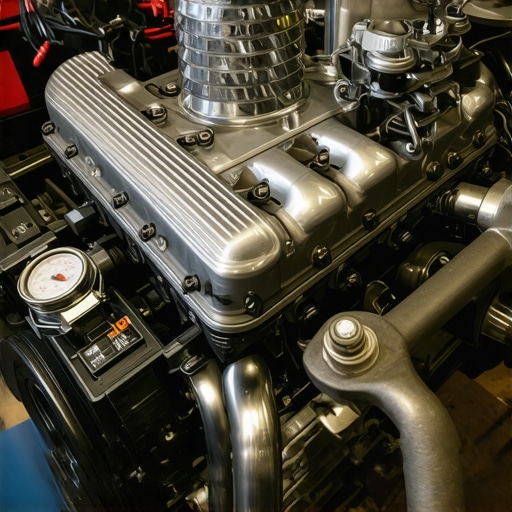
I remember the moment vividly—my car sputtered to a halt on a busy highway, the engine hesitating like it was struggling to breathe. That sickening feeling of helplessness hit me hard. It wasn’t just a one-time glitch; it was a wake-up call that my engine’s sluggish performance was signaling more serious trouble ahead. If you’ve ever felt your vehicle drag or stall unexpectedly, you know how frustrating and even dangerous it can be. It’s like your car’s telling you it’s tired, and you’re left wondering what went wrong.
Why Maintaining Peak Engine Power Matters More Than Ever
In 2026, our vehicles are more complex and demand more attention than ever before. A sluggish engine isn’t just about slow acceleration; it impacts your fuel efficiency, emissions, and even the longevity of your car. Regular tune-ups can make a world of difference, saving you money and stress down the road. But here’s the thing—I initially thought ignoring minor issues wouldn’t hurt, and I paid the price. One early mistake I made was neglecting overdue maintenance, which only worsened my problem and led to costly repairs.
Is a Speedy Engine Tune-Up Worth the Effort and Cost?
Many drivers doubt the real benefit of regular tune-ups, suspecting it’s just a way for shops to cash in. Personally, I used to think that minor engine hiccups would resolve themselves or that waiting was fine—a classic mistake. According to industry experts, a well-maintained engine can improve performance and efficiency significantly, sometimes saving you hundreds in fuel costs. So, the real question is: are your current maintenance routines truly effective? If you’re unsure or have faced a sluggish ride lately, don’t worry—I’ve got your back with proven tips to restore and even boost your engine’s power. Let’s dive into the essential strategies that will keep your vehicle running smoothly and reliably in 2026 and beyond.
,
Start by Inspecting Your Spark Plugs and Wires
Think of spark plugs as the heartbeat of your engine—they ignite the fuel mixture. I once found my engine misfiring under load, and after removing the spark plugs, I noticed they were dirty and worn out. Replacing them with new ones, using quality plugs compatible with my vehicle, immediately smoothed out the misfire. To do this, disconnect the wires, unscrew the old plugs, and screw in new ones. Always check the gap size, matching it to your car’s specifications, which you can find in the owner’s manual or online. This simple step can restore power and improve fuel efficiency.
Replace Air Filter for Better Breathing
It’s like giving your engine a fresh lungful of air. I once neglected my air filter, and I noticed sluggish acceleration. Removing the filter revealed a thick layer of dirt. Swapping it out with a clean, high-quality filter allowed more air in, which enhances combustion and power output. Remove the housing, take out the old filter, and insert the new one, ensuring it fits snugly. Regularly replacing the air filter is a cost-effective way to keep your engine breathing freely and performing strongly.
Check and Replace Fuel Filter to Ensure Clean Fuel Flow
The fuel filter is the gateway that keeps dirt and debris out of your fuel injectors. In my experience, a clogged fuel filter caused rough idling and poor acceleration. To replace it, locate the filter (often along the fuel line), relieve the fuel pressure safely, then disconnect and swap in a new filter. Always follow safety protocols, such as wearing gloves and working in a well-ventilated area. Clean fuel flow translates directly into more responsive throttle and more power on demand.
Test and Replace the Throttle Body When Dirty
The throttle body controls air intake into the engine. Over time, carbon buildup hampers airflow, reducing power. I once cleaned mine with a specialized throttle body cleaner, which restored smooth acceleration. To do this, disconnect the air intake, spray cleaner on the throttle plate, and gently wipe away deposits with a soft brush or cloth. Ensuring the throttle operates freely enhances engine responsiveness and power. Regular cleaning prevents buildup and keeps the engine running efficiently.
Spark the Engine with a Tuning Software or ECU Reset
Modern vehicles can benefit from a reset of the engine control unit (ECU). I used a professional scan tool to reset my ECU after replacing key components, which cleared error codes and optimized fueling maps. This process can improve throttle response and power delivery. If you’re comfortable, invest in a diagnostic tool that allows you to reset codes yourself, or visit a trusted mechanic. Keeping the ECU calibrated ensures your engine runs at peak performance, especially after repairs or replacements.
Verify and Tweak Your Tire Pressure
Properly inflated tires reduce rolling resistance and transfer power more effectively. I checked my tire pressure using a handheld gauge, finding them slightly below recommended levels. Filling them up to optimal PSI improved acceleration and handling noticeably. Use a reliable pressure gauge and check all tires, including the spare. Correct tire pressure not only boosts power but also improves fuel economy and safety, making it a quick and valuable tune-up step.
Fine-Tune Your Timing and Idle Settings
Finally, adjusting your engine’s timing and idle speed can squeeze extra power out of your car. In my case, a slight advance of the timing—done carefully with a timing light and the right tools—resulted in smoother acceleration. If your vehicle’s idle is erratic or surges, adjusting the idle screw or resetting it via the ECU can stabilize performance. These tweaks require some mechanical confidence but can significantly enhance your engine’s responsiveness and power output.
While many car owners prioritize routine tune-ups and brake services, a common misconception is believing that these procedures are straightforward and universally the same. In reality, the nuances of auto maintenance can make or break your vehicle’s performance and longevity. One myth worth debunking is that all mechanic shops approach repairs similarly; expertise, diagnostic tools, and customer communication vary widely, impacting quality and safety. For instance, a simple brake inspection isn’t just about pad thickness—it’s about checking the entire system’s health, including rotors, calipers, and brake fluid condition—neglecting which can lead to safety hazards.
What are the pitfalls of relying solely on digital diagnostics without a seasoned mechanic’s insight? Hanging on to outdated practices or misinterpreting diagnostic codes can result in unnecessary repairs or missed issues. Studies have shown that a combination of advanced diagnostic tools and experienced judgment yields the best outcomes, reducing repeat repairs and increasing safety.
One often-overlooked area is the importance of the subtle differences in repair procedures based on vehicle age, make, or model. For example, a 2026 electric vehicle might require different servicing techniques compared to a traditional combustion engine car—yet many look for a one-size-fits-all approach. Failing to account for these nuances can lead to incomplete repairs or damage. The key is to stay informed about the latest industry insights, such as the emerging techniques for electric vehicle maintenance, which are sometimes underrepresented in general repair advice.
Another common trap is underestimating the significance of routine inspections to prevent costly repairs. Regularly checking critical components like brake lines, suspension joints, and engine belts can catch issues early. This proactive approach can save you substantial money and prevent breakdowns—yet many only seek repairs after a failure. For comprehensive strategies, consider reliable sources like [trusted auto repair guides](https://glassfixauto.com/auto-repair-trusted-car-service-tune-up-tips-for-lasting-performance) that emphasize preventive maintenance.
In the realm of auto repair, it’s also vital to recognize that quality parts and proper installation procedures are non-negotiable. Using cheap components or rushing the job can compromise safety and durability. A good rule is to verify the shop’s adherence to manufacturer specifications and ask about part sourcing—something that experienced vehicle owners routinely do to safeguard their investments.
Finally, stay vigilant about service timing. Waiting too long for essential maintenance—even something as routine as brake fluid replacement—can lead to corrosion or reduced braking performance. Conversely, over-maintaining can waste resources. The balance comes from understanding your vehicle’s specific needs, often outlined in your owner’s manual and reinforced by professional guidance.
Have you ever fallen into this trap? Let me know in the comments. Remember, mastery in car maintenance is about attention to detail and understanding the nuances that can enhance your vehicle’s performance and safety—so don’t overlook these critical insights.
Tools I Recommend for Long-Term Car Care
Maintaining your vehicle’s health over time requires more than just basic knowledge—having the right tools makes all the difference. Personally, I rely on a combination of professional-grade diagnostic software and quality mechanical tools to ensure my car runs efficiently and safely. A must-have in my toolkit is the OBD2 scanner, specifically the Autel MaxiCheck Pro. It allows me to read and clear intricate engine codes, monitor live sensor data, and even perform ECU resets, which is crucial after replacing parts or fine-tuning the engine. For routine checks, I use a digital tire pressure gauge and a magnetic camshaft lock tool—these ensure precise adjustments that can improve power and economy. High-quality hand tools like torque wrenches and screwdrivers also help prevent cross-threading or over-tightening, prolonging your parts’ lifespan.
Additionally, I incorporate engine treatment products such as fuel injector cleaners and oil stabilizers, which work best when complemented by proper diagnostics. Regularly updating my vehicle’s software and firmware ensures compatibility with new parts and features, especially vital as 2026’s vehicles become more sophisticated. To keep track of maintenance schedules, I rely on electronic logbooks and apps synced with my car’s ECU, simplifying long-term planning.
Looking ahead, the trend points toward integrated diagnostic and maintenance ecosystems powered by AI and cloud connectivity. Imagine real-time, remote diagnostics alerting you to issues before symptoms appear—this is where auto tech is heading. To get ahead in this game, I recommend investing in a universal scan tool capable of connecting to your smartphone, like the BlueDriver Bluetooth Professional. It’s helped me catch minor issues early, saving time and repair costs.
How Do I Maintain My Vehicle’s Checks Over Time?
Consistency is key. Schedule regular inspections with trusted tools and keep your diagnostic software updated. Also, develop a habit of monitoring your vehicle’s alerts and logs—this proactive approach can prevent small problems from snowballing into costly repairs. For instance, consulting detailed guides like auto-repair strategies helps maximize your tools’ potential. Lastly, never underestimate the value of professional diagnostics—sometimes, the most advanced tools are best wielded by seasoned experts. Try integrating a comprehensive diagnostic kit into your routine, and you’ll be surprised how much smoother and safer your driving experience becomes in 2026 and beyond.
Lessons That Changed My Approach to Car Care
- Sometimes, the biggest breakthroughs come from simple tasks, like replacing spark plugs or inflating tires correctly. These small actions reminded me that consistent, attentive maintenance often yields the greatest rewards.
- I learned that trusting my intuition about when to seek professional help can save me time and money. Ignoring subtle signs of engine sluggishness might seem harmless at first, but it often leads to more costly repairs down the line.
- Understanding the intricacies of my vehicle’s unique needs, especially as car technology evolves, has been vital. Staying informed about manufacturer recommendations and industry insights prevents me from relying on generic advice that might not suit my model.
- Sharing experiences with fellow enthusiasts and reading trusted sources has enriched my knowledge. This community-driven approach ensures I’m not just reacting to problems but actively enhancing my car’s performance.
- The most valuable lesson? Regular diagnostics combined with proactive care build a resilient, efficient vehicle that I can depend on, regardless of how complex modern automotive systems become.
Tools and Resources That Keep Me Ahead
- OBD2 Scanner (Autel MaxiCheck Pro): This tool offers real-time diagnostics and ECU resets, essential for diagnosing and optimizing modern engines. I trust it because of its reliability and user-friendly interface, which has saved me from unnecessary repairs.
- High-Quality Tire Pressure Gauge: Proper tire pressure is a quick yet impactful way to boost power and efficiency. My digital gauge ensures accurate readings, preventing over- or under-inflation.
- Engine Treatment Products: Fuel injectors cleaners and oil stabilizers, combined with regular software updates, keep my engine running smoothly and extend its lifespan.
- Reliable Repair Guides: Resources like trusted auto maintenance sites provide step-by-step tutorials tailored to different vehicle models, helping me perform certain tune-ups confidently.
- Diagnostics and Monitoring Apps: Smartphone-compatible tools that sync with my vehicle’s ECU for ongoing performance tracking, allowing me to catch issues early and plan maintenance effectively.
Embrace the Future—Take Action Today
Investing in proper maintenance and the right tools today ensures your vehicle remains reliable and efficient as we move into 2026 and beyond. Remember, no matter how advanced your car becomes, attentive care and proactive troubleshooting are your best allies. Don’t wait until a minor issue becomes a costly nightmare—start applying these insights now and enjoy the drive with confidence. Your engine—and your wallet—will thank you.
What’s the one tune-up or maintenance step you’ve been putting off that could make a difference? Share your experiences below, and let’s keep each other motivated to stay ahead in auto care!
,