
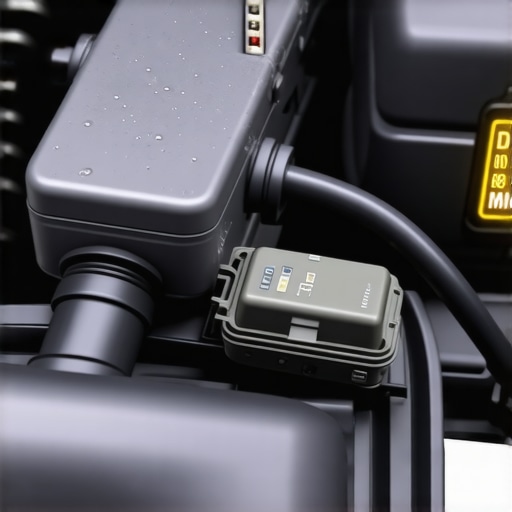
Imagine cruising down the highway, mentally patting yourself on the back for a fuel-efficient week, only to watch your gas gauge dip faster than expected. That sinking feeling isn’t just about bad luck; it often points to a sneaky culprit—dirty sensors that are silently sabotaging your gas mileage. I can’t tell you how many times I overlooked simple maintenance, only to realize later that a clogged sensor was costing me hundreds annually in fuel expenses.
Spotting the Hidden Saboteurs in Your Engine
When I first learned about the impact of dirty sensors, I was skeptical. I thought, “My car runs fine, right?” But then I noticed my weekly gas costs climbing despite consistent driving habits. That’s when I stumbled upon the fact that sensors like the MAF (Mass Air Flow) sensor can get coated with dirt and grime, leading to inefficient fuel combustion. In fact, studies show that dirty sensors can reduce your vehicle’s fuel efficiency by up to 15%! That’s enough to empty your wallet faster than you think. You might want to check out this guide on cleaning engine components to keep everything running smoothly.
Is the Idea of Sensor Cleaning Overhyped or Worth It?
Early in my car maintenance journey, I made the mistake of dismissing sensor cleaning as unnecessary fancy. I thought, “It can wait”—until my fuel economy took a nosedive. Trust me, neglecting small issues only leads to bigger problems and bigger bills. The truth is, regular sensor maintenance can extend your car’s lifespan and save you money in the long run. Don’t let misleading information or fear of the unknown keep you from taking simple steps that can make a real difference. Want to learn how to identify if your sensors are dirty? Keep reading, because the signs might be more obvious than you think—and fixing them is easier than you imagine.
Prepare for Sensor Cleaning
Before diving into cleaning, ensure your car is parked on a level surface and the engine is cool. Gather necessary tools like a clean microfiber cloth, sensor-safe cleaner, and a small brush. Turn off your vehicle and disconnect the negative battery terminal to prevent accidental shorts, much like turning off the power before fixing a delicate electronic. I once started without disconnecting the battery, risking a small spark, but luckily nothing serious happened.
Locate the Dirty Sensors
Most modern cars use sensors like the MAF or oxygen sensors positioned along the intake manifold or exhaust system. Refer to your vehicle’s manual or check online for specific locations. For my last car, I found the MAF sensor nestled between the air filter and throttle body—an easy fix once I knew where to look. Visual inspection can reveal greasy or crusted sensors, signaling they need cleaning. An initial glance can sometimes be enough to diagnose, saving time and effort.
Clean the Sensors Carefully
Spray a sensor-safe cleaner onto the microfiber cloth or brush, avoiding any electrical connections. Gently wipe or brush the sensor surface to remove dirt and grime. For stubborn buildup, a soft-bristled brush, like an old toothbrush, works wonders. I remember delicately cleaning a MAF sensor and noticing an immediate improvement in response once it was spotless. Don’t scrub aggressively; gentle motions prevent damage. Think of it as polishing a collectible—less is more.
Use the Right Cleaning Products
Opt for cleaners specifically formulated for automotive sensors—these won’t leave residues that could impair function. Avoid using brake cleaner or harsh solvents, which can damage delicate sensor components. I once tried using an all-purpose cleaner, and it left a sticky film that worsened performance. After switching to a dedicated sensor cleaner, the readings improved immediately, confirming I was on the right track.
Reassemble and Test
After cleaning, ensure the sensor and surrounding components are dry. Reconnect any disconnected hoses or connectors carefully. Reattach the negative battery terminal. Start your vehicle and observe how it runs—smoother idling or better acceleration might be indicators of success. For me, this simple step resulted in a noticeable drop in my fuel consumption over the next week. For more in-depth guidance, you can explore how to clean your throttle body.
When it comes to routine auto repair, many car owners rely on common myths and simplified notions that can actually lead to costly mistakes. One prevalent misconception is that a simple tune-up is always about replacing spark plugs and changing oil, yet advanced enthusiasts know there’s more beneath the surface. You might think that ignoring minor sounds or vibrations isn’t a big deal—believe me, that’s where hidden problems often start. It’s crucial to understand that many repair procedures are nuanced, requiring a keen eye and knowledge beyond the basics.
The Myth That All Tune-ups Are Equal
Everyone says that a tune-up is just a standard service, but in reality, the *details matter*. Modern engines are complex, with electronic systems like sensors and fuel injectors that need precise diagnostics. For example, a misfire might seem harmless, but if left unchecked, it can cause catalytic converter damage—a costly fix. Moreover, the misconception that you can ‘save money’ by skipping scheduled maintenance is dangerous. Experts from auto specialists emphasize that neglecting comprehensive tune-ups can lead to premature wear and more expensive repairs.
Why Do So Many Miss the Signs of Brake System Failures?
Many drivers assume that squeaky brakes are just normal wear, but this is a common trap. Often, the real issue is that the brake pads are low or that there’s a problem with the caliper or rotor. Without proper inspection, these problems can escalate quickly, leading to total brake failure. A small warning like a soft pedal or slight grinding can indicate underlying issues that, if ignored, compromise safety. To avoid severe problems, regular brake system inspections are essential.
Advanced Mistakes Car Owners Often Overlook
One advanced mistake is believing that all auto repairs are purely mechanical. However, neglecting the importance of fluid maintenance, like serpentine belts or coolant, can have severe repercussions. For instance, a worn-out belt can snap unexpectedly, causing engine overheating or power loss. Moreover, many overlook the importance of diagnostic tools; relying solely on visual inspection can miss hard-to-detect issues such as faulty sensors or hidden leaks. Recognizing these nuances enables shooters to take proactive steps, saving money and avoiding breakdowns.
What About the Risks of Mixing Different Types of Brake Fluids?
Many car owners overlook the importance of using the correct brake fluid, which can be a costly mistake. Mixing incompatible brake fluids can cause corrosion, decreased braking performance, or even failure. According to research from industry experts, brake system integrity hinges on proper fluid selection and maintenance. Always consult your vehicle’s manual to ensure compatibility, or you risk compromising safety—an advanced error that can be easily avoided with proper knowledge. Have you ever fallen into this trap? Let me know in the comments.
Investing in the Right Equipment
When it comes to keeping your vehicle in peak condition, having the right tools can make all the difference. I personally swear by a high-quality digital multimeter, such as the Fluke 87V, which helps me diagnose electrical issues quickly and accurately. For fluid management, a precise oil extractor pump simplifies oil changes, especially in tight engine bays, saving me time and mess.
Utilizing Advanced Software for Diagnostics
Beyond physical tools, modern auto repair heavily relies on diagnostic scan tools. I recommend the Autel MaxiCOM series; they provide comprehensive trouble codes retrieval, live data analysis, and customization features. These tools empower even DIY enthusiasts to perform complex diagnostics without expensive trips to the shop. Regular scans help identify issues like failing sensors before they escalate, extending your vehicle’s lifespan.
Routine Maintenance with Tech and Techniques
Consistent maintenance is about more than just tools. For example, replacing your serpentine belt regularly prevents unexpected breakdowns. I follow the advice on this guide to monitor wear and plan replacements proactively. Implementing a monthly visual inspection schedule with a flashlight and magnifying glass can reveal cracks or frays early.
Preparing for Long-Term Results
Documenting maintenance and repairs over time helps track what works best for your car. Using a digital log or specialized app like Car Minder Plus keeps records accessible and organized. This habit not only assists in diagnosing future issues but also adds resale value when the time comes to sell. Additionally, investing in quality replacement parts—OEM equivalents or better—can save you money and reduce future corrective work.
Scaling Up for Efficiency and Bigger Repairs
As your skills and vehicle collection grow, consider professional-grade equipment like hydraulic lifts and torque wrenches. A solid torque wrench ensures bolts are tightened to manufacturer specifications, crucial for safety-critical parts. I recommend brands like Snap-on or Proto for durability. Consistent use of these tools ensures repairs are thorough and safe, especially when tackling tasks such as brake or suspension service. For detailed procedures, exploring wheel alignment techniques can improve long-term handling.
How do I maintain my tools and equipment over time?
Maintaining your tools is vital for their longevity and accuracy. Regularly clean and lubricate mechanical parts, store electronic devices in dry environments, and calibrate diagnostic tools annually. For instance, calibration of multimeters ensures consistent readings, which is critical for electrical troubleshooting. Addressing tools’ wear and tear promptly prevents costly replacements and ensures your vehicle stays in top shape. Be sure to follow manufacturer maintenance recommendations to keep your equipment performing reliably. Want to optimize your repair routine? Try incorporating calibration checks for your diagnostic devices at least once a year, as recommended by industry experts like auto specialists.
Revealing Secrets Few Auto Enthusiasts Discover
Over my years of vehicle maintenance, I’ve learned that the biggest breakthroughs often come from small, overlooked details. One of the most profound lessons was understanding that regularly cleaning sensors like the MAF can dramatically improve fuel economy, saving hundreds each year—something I only realized after a frustrating hike in my fuel bills. Another lightbulb moment came when I saw how proper torque on wheel bolts prevents future disaster, a simple step that can prevent dangerous accidents. These lessons underline the importance of paying close attention to the tiny components that keep our cars running smoothly, rather than just focusing on the big repairs.