
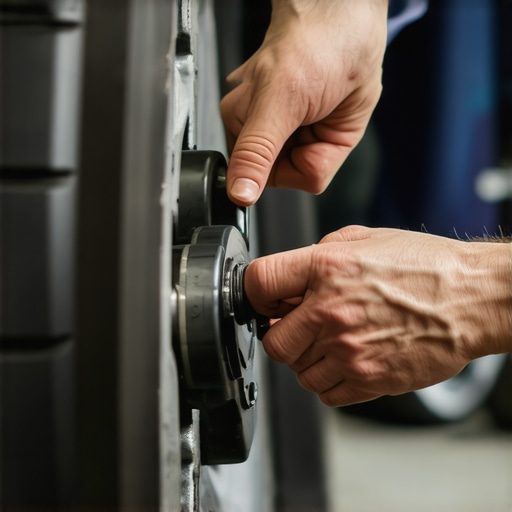
One Saturday afternoon, I was ready to hit the road for a quick weekend trip, only to discover my brake caliper pin wouldn’t budge. I had never faced something so frustrating during a simple brake service. It was a lightbulb moment that made me realize: if I didn’t fix this myself, I’d be stuck paying a mechanic more than I wanted. Have you ever experienced that panic when your car’s brake system feels like it’s holding your wheels hostage? Trust me, you’re not alone.
Why Stuck Brake Caliper Pins Can Leave You Stranded—and How to Fix Them
Brake caliper pins are crucial to your vehicle’s stopping power. When they get corroded or seized, not only does your brake performance suffer, but it can also pose a safety hazard. Ignoring this issue might make you think a quick replacement is outside your skill set. But here’s the truth—many of these problems can be solved with some patience and the right know-how. Plus, fixing this yourself can save you a good chunk of cash and preserve your confidence behind the wheel.
Is YouTube the Best Teacher for Brake Repairs?
Early on, I made a rookie mistake by rushing into the repair without understanding how corrosion can bond the pin to the caliper. I watched countless videos, but it wasn’t until I read a trusted guide that I realized my mistake: forcing the pin without breaking the corrosion seal can cause more damage. So, if you’re hesitant, remember that being informed is your best tool. For more tips on vehicle maintenance, consider checking out how to tell if your car needs a simple alignment or new parts.
Loosen the Caliper Bolts Carefully
Before tackling the pin, secure your vehicle and remove the wheel. Use a socket wrench to loosen the caliper bolts holding it in place. Think of this step like unscrewing a stubborn jar lid—apply steady force and ensure you turn counter-clockwise. My first attempt was hurried, causing the bolt head to strip. Take your time and avoid rushing to prevent damage.
Apply Penetrating Oil to the Pin
Spray a generous amount of penetrating oil, like WD-40, directly onto the caliper pin and surrounding areas. This oil seeps into corrosion and acts like a lubricant for rust. Wait for at least 10 minutes, allowing it to work its magic. I learned that skipping this step often leads to excessive force, risking breakage. Patience here ensures smoother removal.
Use the Correct Tools for Extraction
A pin removal tool or a punch and hammer can help dislodge the seized pin. Position the punch against the edge of the pin and tap gently with the hammer, similar to nudging a stubborn nail loose. During my first try, I used a screwdriver, which bent and scratched the caliper, emphasizing the importance of proper tools. Take your time and ensure everything is aligned before applying force.
Free the Pin with Controlled Force
Gradually tap around the pin’s circumference, alternating sides to prevent binding. If resistance persists, apply more penetrating oil and wait another few minutes. Avoid excessive force, as it can deform or damage the caliper or pin. I once used too much force and ended up needing a caliper replacement. Controlled, gentle taps yield the best results and protect your parts.
Clean and Re-lubricate the Pin
Once freed, clean the pin with wire brushes or brake cleaner to remove rust and debris. Inspect for damage; if pitted or severely corroded, replacing the pin might be wise. Apply high-temperature brake grease to the pin before reinstalling—think of it as applying a lubricant to a squeaky door hinge. During my last repair, this step prevented future sticking and improved brake performance.
Reassemble and Test Your Work
Reattach the caliper, tighten bolts to manufacturer specs, and reinstall the wheel. Before driving, pump the brake pedal to ensure proper caliper operation. A test drive helps confirm everything functions correctly. I once forgot to tighten a bolt, which fell out during a test, highlighting the importance of double-checking every step. Safety and patience are your best tools here.
Remember, if corrosion stubbornly refuses to give up, seeking professional help or replacing the pin might be the safest choice. Regular maintenance and timely inspection can prevent these issues from worsening, saving you money and stress in the long run. For other crucial car repairs, understanding these core techniques can boost your confidence and keep your vehicle in top shape.
Even seasoned car enthusiasts can fall prey to misconceptions about vehicle maintenance. One widespread myth is that a simple oil change is all your car needs to stay in top shape; however, neglecting other vital services like transmission or brake inspections can lead to costly repairs down the line. Many assume that car repairs are always straightforward, but complex systems like modern engines require nuanced understanding to diagnose issues accurately. For example, a recurring mistake is misinterpreting symptoms—believe me, a dimming headlight isn’t just a battery issue; it might be an alternator warning sign that if ignored, could leave you stranded, as emphasized by experts in the field.
How do advanced diagnostics improve repair accuracy and save money?
Investing in proper diagnostics can reveal underlying problems that routine checks might miss, preventing unnecessary parts replacements. For instance, components like fuel injectors or transmission systems often develop subtle faults that can be mistaken for simple wear and tear. Regular maintenance schedules should include more than just oil and tire rotations; comprehensive inspections help catch hidden issues early. Overlooking this nuanced approach can result in problems escalating beyond repair. A common trap is using generic repair advice from online videos without understanding your vehicle’s specific make, model, or year—such one-size-fits-all solutions often do more harm than good. For deeper insight, check out articles on how to tell if your car needs a simple alignment or if it’s dealing with a more serious transmission problem. Remember, cutting corners on diagnostics or repairs might seem economical initially but can lead to higher costs and safety risks later. Prioritizing advanced knowledge and tailored maintenance ensures longevity and reliability of your vehicle.
Tools I Recommend for Reliable Car Repairs
Having the right equipment can make all the difference in maintaining your vehicle efficiently and safely. One of my go-to tools is a quality digital torque wrench. Unlike standard wrenches, it provides precise torque settings, ensuring bolts like those on your brake calipers are tightened correctly, preventing future issues. I personally trust the Lisle Torque Wrench because of its durability and accuracy.
Another indispensable item is a set of quality pry bars. They help in removing stubborn components without damaging other parts. I prefer the Alltrade 941744 because it offers various sizes, making tasks like freeing seized pins more manageable. Pair these with a good wire brush like the 25-Piece Brass Wire Brush Set to clean rusted parts thoroughly, facilitating smoother reassembly.
When diagnosing issues, software tools can save you hours. I rely on an OBD-II scanner such as the Innova 3160g. It quickly identifies fault codes and helps you interpret the root of problems like dim headlights or engine misfires, allowing targeted repairs instead of guesswork.
Mastering Maintenance with Proven Methods
Routine maintenance extends beyond just replacing parts. I follow a scheduled inspection protocol that includes checking brake fluid levels, inspecting belts, and testing the battery’s health. Using a battery load tester ensures your electrical system is in top shape, preventing unexpected failures.
Running a long-term maintenance plan pays off. Regularly cleaning and lubricating components like caliper pins with high-temperature brake grease prolongs their lifespan and maintains optimal brake performance. Incorporate these checks into your annual service schedule to stay ahead of costly repairs.
Looking ahead, advances in diagnostic technology hint at more integrated systems, enabling even more proactive maintenance. Investing in tools that connect to your smartphone or cloud services will become standard, helping monitor your vehicle’s health remotely.
How do I keep my car repair skills sharp over time?
Continuing education is key. Enroll in local workshops or online courses focusing on modern vehicle systems. Additionally, regularly reading detailed guides and technical manuals keeps your knowledge current. For example, understanding the intricacies of fuel injection systems, which can be confirmed through resources like this comprehensive guide, can help you perform more effective cleanings and tune-ups.
If you’re serious about maintaining your vehicle’s performance, try implementing an advanced diagnostic routine, that includes checking for early signs of issues like alternator failure, which can be predicted by voltage irregularities described in expert analyses such as this article. Regular use of these tools and methods ensures your car stays in peak condition, saving you money and boosting your confidence behind the wheel.
Lessons Learned From a Hidden Brake Pitfall
- Patience is vital; rushing can cause more damage than the seized caliper pin itself. I learned this the hard way when applying force without proper preparation, leading to damaged parts and extra costs.
- Proper tools make all the difference. Using the right punch and a quality wire brush saved me time and prevented accidental damage to my caliper.
- Never underestimate the power of penetrating oil. Waiting patiently allowed it to break down rust, making removal smoother and reducing risk of breakage.
- Understanding corrosion and how it bonds parts together changed my approach. Applying a good high-temperature brake grease not only eased reassembly but also prevented future sticking.
My Must-Have Gear for Auto Repairs
- Lisle Torque Wrench: Precise torque control ensures safe, reliable reassembly, especially on critical components like caliper bolts.
- Innova OBD-II Scanner: Diagnosing more than just brakes, this tool pinpoints hidden issues, saving headaches and unnecessary parts replacements.
- Brake Cleaner and Wire Brushes: Essential for maintaining clean, rust-free parts that last longer and perform better.
- High-quality pry bars: These help dislodge stubborn components without damage, making tricky repairs much more manageable.
Keep Your Car Repairs Personal and Purposeful
Taking the time to understand the nuances of brake caliper maintenance has transformed how I approach vehicle care. Each step, from applying penetrating oil to cleaning and lubricating, reinforces my confidence and ensures long-lasting results. Don’t hesitate to explore further—sometimes, the smallest detail can be the difference between a quick fix and costly repairs. Remember, staying proactive with regular inspections like checking your brake performance or reading about signs of caliper issues helps you stay ahead of emergencies and keeps your driving safe and smooth.
Your Turn to Get Under the Hood
Armed with insider insights and recommended tools, you’re ready to tackle brake caliper pins with confidence. What’s your biggest challenge when it comes to DIY vehicle repairs? Share your experiences below—I’d love to hear your stories and tips!