
Ever jacked up your car in a rush, only to discover a greenish crust on your battery terminals? That awful, slimy corrosion not only looks bad but can seriously threaten your car’s electrical system. I’ve been there—one morning, I jumped into my driveway to start my usual routine, only to find my engine sluggish and electrical accessories flickering. The culprit? Battery corrosion. That lightbulb moment made me realize how common—and potentially damaging—this problem is.
Why Battery Corrosion Needs Your Attention Now
The truth is, corrosion isn’t just a cosmetic annoyance; it can cause your battery to underperform or even fail prematurely. Left unchecked, it can lead to costly repairs and breakdowns. I learned this the hard way early in my DIY repair days when I stumbled into a mistake—using abrasive materials that damaged my paint, making the problem worse. Don’t make the same mistake. Today, I’m sharing proven methods to clean corrosion safely, preserving your vehicle’s paint and functionality. Did you know that according to a study by the Battery Council International, nearly 80% of car battery failures are due to corrosion-related issues? That’s a massive chunk of breakdowns we can prevent with simple maintenance. Ready to keep your battery in top shape without risking your paint job? Let’s dive into how to tackle this pesky problem effectively.
What You’re Up Against: Rust and Chemical Build-Up
Battery corrosion isn’t just dirt; it’s a chemical reaction that creates a crusty, often greenish or whitish film on your terminals. This gunk traps moisture and can conduct electricity poorly or cause shorts. A quick inspection will reveal if your terminals are fuzzy or crusty—signs that it’s time for a clean-up. Now, before we jump in, a word of caution—early in my experience, I used steel wool to scrub off the corrosion, thinking it would be quick. Turns out, that rough approach scratched my battery casing and damaged the paint around it. That’s a mistake you want to avoid. Instead, gentle cleaning methods with the right tools will do the trick, ensuring your battery stays corrosion-free without harming your vehicle’s finish. So, if you’ve faced the frustration of declining battery performance or just want to prevent problems before they start, this guide will give you the ins and outs of a safe, paint-friendly clean.
Prepare Your Workspace and Gather Tools
First, park your vehicle on a flat surface and turn off the engine. Engage the parking brake to prevent any movement. You’ll need protective gloves, safety goggles, baking soda, water, a wire brush or toothbrush, and a clean rag. Having all tools ready ensures a smooth cleaning process. I always set up my workspace with these essentials before starting, which saves time and avoids last-minute trips to the garage.
Disconnect the Battery Terminals Carefully
Start by locating the negative terminal (usually black) and loosen the clamp with a wrench. Always disconnect the negative terminal first to prevent sparks. Then, repeat for the positive terminal (red). Use insulated tools and avoid touching both terminals simultaneously to prevent short circuits. I recall a time I rushed this step and accidentally created a small spark, highlighting the importance of patience here. Proper disconnection prevents electrical mishaps during cleaning.
Apply Baking Soda Solution to Neutralize Corrosion
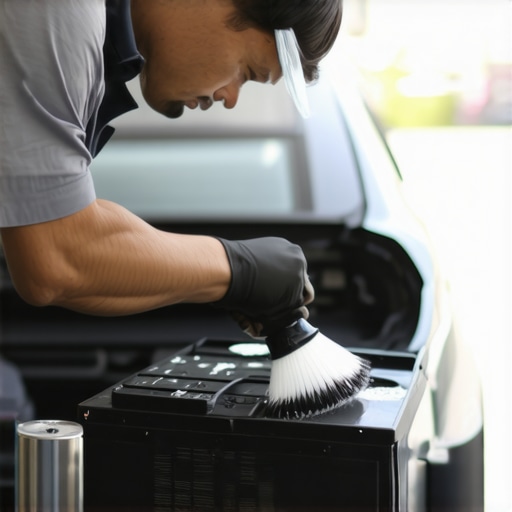
Mix a tablespoon of baking soda with a cup of water to create a reaction that neutralizes acid buildup. Dip your brush into the solution and scrub the terminals and connectors gently. The fizzing action lifts away the crusty corrosion without harming the metal or paint. I once marred my battery casing by using overly abrasive materials; now, I prefer this gentle approach for safe, effective cleaning.
Use the brush to scrub the terminals and clamps thoroughly.
Ensure all crusty deposits are broken up and wiped away. If the corrosion is stubborn, reapply the baking soda solution and continue scrubbing. Rinsing the area with a damp cloth afterward removes residue. This simple step restores good electrical contact, helping your battery perform optimally.
Dry and Reconnect with Care
Use a clean cloth to dry all components completely. Moisture can lead to further corrosion or electrical issues. Once dry, reconnect the positive terminal first, securing the clamp tightly, then the negative terminal. Tighten the clamps firmly but avoid over-tightening, which may damage the terminals. Reconnection restores power, and I always test my system by turning on the headlights to ensure a proper connection.
Final Checks and Preventative Measures
Inspect the terminals and cables for signs of wear or damage. Apply a thin layer of petroleum jelly or terminal protectant spray to prevent future corrosion. Regular inspections, especially after harsh weather, extend the lifespan of your battery. As a personal tip, I mark my maintenance date on the battery to remind me when to check again, saving me from surprise breakdowns. Incorporating routine cleaning into your maintenance schedule can be as simple as https://glassfixauto.com/how-regular-tune-ups-improve-fuel-efficiency-and-safety, ensuring your vehicle stays reliable and safe for the long haul.
Most car owners approach brake service and regular maintenance with a simplistic mindset, believing that ticking off basic tasks suffices. However, as an automotive enthusiast with years of hands-on experience, I can tell you there are critical nuances that many overlook—nuances that can mean the difference between safe, reliable driving and costly repairs.
Why Do Most People Misunderstand Brake Service?
One common misconception is that brake pads wear out uniformly, leading many to replace them solely based on thickness. In reality, brake systems are intricate, with components like rotors, calipers, and brake fluid all playing vital roles. Ignoring the interplay of these parts often results in uneven wear, glazed pads, or warped rotors, which regular pads replacement won’t solve. Proper diagnosis requires understanding your vehicle’s braking dynamics—something most amateurs miss. For an in-depth look into brake system repairs, check out this comprehensive guide.
The Mistake of Rushing a Tune-Up
Many car owners think that a quick oil change and replacing a few filters constitute a proper tune-up. But an advanced tune-up involves meticulous inspection of ignition systems, fuel injectors, sensors, and even engine timing. Skimping on this detailed process may cause subtle issues like increased emissions, lower fuel efficiency, or engine hesitation. I’ve seen cases where neglecting minor adjustments led to significant performance drops over time. For savvy drivers, regularly consulting expert tips like this guide ensures you’re not leaving money on the table.
How Can Overlooking System Nuances Sabotage Your Car’s Health?
When symptoms appear—like squealing brakes or sluggish acceleration—mechanics sometimes jump straight to component replacements. But advanced diagnostics reveal underlying causes such as contaminated brake fluid or misaligned sensors. Failing to recognize these subtle issues can cause repeated repairs or part failures. For example, contaminated brake fluid not only impairs stopping power but can damage components if left unchecked. Gain a deeper understanding of these complexities through this detailed explanation.
By honing your knowledge of these hidden aspects, you’re better equipped to maintain your vehicle efficiently and avoid falling prey to common pitfalls. Remember, genuine expertise goes beyond checking off tasks; it’s about recognizing the interconnectedness of each system. Have you ever fallen into this trap? Let me know in the comments.
Maintaining your vehicle’s health over the years requires more than just occasional checkups—it demands reliable tools, consistent routines, and a strategic approach to scaling your efforts. Personally, I rely on a combination of professional-grade diagnostic equipment and meticulous maintenance schedules to keep my car performing at its best. One tool I swear by is the OBD-II scanner, which allows me to read engine codes and monitor performance metrics in real-time. Not all scanners are created equal—high-quality models like the BlueDriver offer comprehensive diagnostics and user-friendly interfaces, making them invaluable for both DIY enthusiasts and professionals. Incorporating such tools into your routine enables early detection of issues, saving you money and preventing breakdowns.
Beyond gadgets, developing a scalable maintenance plan is crucial. Starting with basic tasks like oil changes and brake inspections, then gradually adding systems like suspension checks or fluid flushes, helps balance effort and expense while extending your vehicle’s lifespan. Regularly scheduled tune-ups, which include inspecting spark plugs, filters, and ignition components, optimize engine efficiency and fuel economy. For guidance tailored to your specific vehicle, I recommend consulting detailed resources like [this comprehensive tune-up guide](https://glassfixauto.com/tune-up-your-car-for-peak-performance-essential-maintenance-tips).
Looking ahead, the future of car maintenance points toward smarter, more integrated solutions. With advancements in telematics and remote diagnostics, car owners can anticipate issues before they manifest, leveraging apps and cloud-connected systems. Staying ahead means equipping yourself with the right technology and knowledge—so I encourage you to experiment with advanced scanner features or integrate a maintenance app to track your service milestones.
### How do I maintain my car’s health over time?
One effective method? Set a recurring schedule for inspecting critical systems and use diagnostic tools to catch problems early. For example, routinely testing your brake fluid with a hydrometer or using an OBD-II scanner to monitor engine health can alert you to potential failures before they become costly repairs. Remember, consistent maintenance doesn’t just preserve your car’s value—it ensures safety and reliability on the road. For detailed strategies on scaling your maintenance efforts, explore [this expert guide](https://glassfixauto.com/auto-repair-trends-to-watch-in-2025-staying-ahead-of-the-curve). Don’t hesitate to try out one new diagnostic tool or maintenance routine today; small steps lead to long-term savings and peace of mind.
The Hardest Lesson I Learned About Brake Service and Tune-Ups
Early in my DIY car repair journey, I believed that replacing brake pads was a simple matter of thickness, but I overlooked the importance of inspecting rotors and calipers. That oversight led to uneven wear and costly repairs. The lightbulb moment came when I realized that every component interacts in complex ways, and neglecting that can sabotage long-term vehicle health.
What I Wish I Knew Before Rushing Repairs
I used to think that quick fixes, like a surface-level clean or basic fluid refills, were enough. Now I understand that detailed diagnostics and understanding system nuances save time and money. For example, reading about the dangers of ignoring brake fluid contamination [on this page](https://glassfixauto.com/why-your-brake-fluid-is-turning-black-and-what-it-means) transformed how I approach routine checks.
The Power of Effective Tools and Strategies
Investing in a quality OBD-II scanner, like the BlueDriver, changed how I maintain my car. It unveiled hidden issues early, preventing breakdowns. Coupling these tools with a structured maintenance plan, inspired by expert guides such as [this comprehensive tune-up checklist](https://glassfixauto.com/how-regular-tune-ups-improve-fuel-efficiency-and-safety), has been instrumental in extending my vehicle’s lifespan.
Why Going Beyond Basic Maintenance Matters
Understanding that system interdependence can mean the difference between smooth rides and sudden failures. Frequent inspections, targeted repairs, and embracing new tech keep my car reliable. It’s a lesson in proactive care that I wish I had adopted sooner, and I encourage you to explore innovative methods to stay ahead.
Enhance Your Car Care Routine Today
Getting insights from seasoned enthusiasts and leveraging advanced tools can revolutionize your maintenance approach. Remember, the key is continuous learning and adopting strategies that truly protect your investment. So, what new step will you add to your routine this week to better safeguard your vehicle? Share your plans below!