
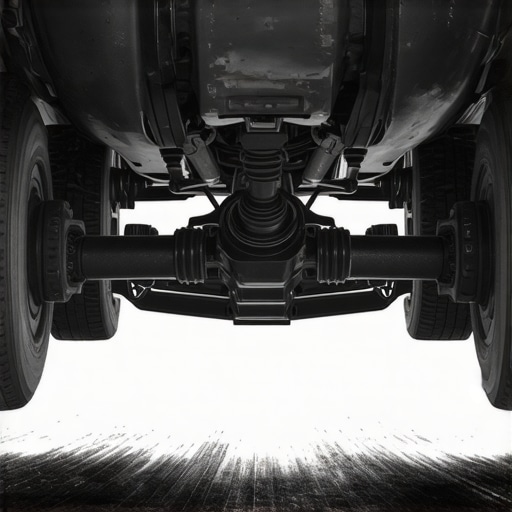
Ever been cruising down the street when suddenly—bam!—a sharp, unsettling clunk echoes from your front wheels. My heart sank the first time I heard that sound. I thought, “Great, more repairs, probably costly.” Turns out, that noise was a sign I overlooked something simple, but crucial. We often ignore strange sounds until they become big problems, but catching them early can save you a ton of hassle—and money.
The Frustration of the Unknown Noise
For years, I dismissed that clunk as just a bump in the road or a loose part. But then, it started happening more frequently, sometimes when I turned, sometimes when I hit certain bumps. I felt like I was playing a game of “Will it or Won’t it?” with the car. Sound familiar? If you’re tired of guessing and want to get to the real issue fast, you’re in the right place. Today, I promise to walk you through how to identify that telltale clutching sound, what it means, and how to fix it before it turns into a costly trip to the mechanic.
Could It Be Serious — Or Just Annoying?
Many car owners worry that a clunking noise signals catastrophic failure. Believe me, I’ve been there. Early on, I made the mistake of dismissing the noise as insignificant, which only made the problem worse. The truth is, not all noises are signs of impending doom. Sometimes, a simple worn-out suspension component can cause that unsettling sound, especially if it’s been overlooked during routine maintenance. According to experts at auto repair guides, catching these symptoms early can prevent more serious issues down the line.
So, are you worried that diagnosing a front-end clunk is beyond your skill? Rest assured, with a little patience and know-how, you can become your own car detective. That said, I’ll also share some common pitfalls to avoid, so you don’t end up chasing ghosts or making things worse. Ready to get your hands dirty and your mind clear? Let’s dive into the signs to watch for and the best ways to pinpoint that pesky clunk.
Jack Up the Vehicle Safely
Begin by parking your car on a flat, stable surface and engaging the parking brake. Use a hydraulic jack to lift the front end, placing jack stands under the frame for security. Remember, never crawl under a vehicle supported only by a jack—jack stands are your safety net. I learned this the hard way during my first attempt; I underestimated the importance of proper support, resulting in a nerve-wracking moment but a valuable safety lesson.
Inspect the Suspension Components
Once elevated, examine the visible parts—strut mounts, control arms, and bushings—for cracks, tears, or looseness. Wiggle each component gently; any excessive movement indicates wear. I once found a torn bushing that was causing a noticeable clunk during turns. Replacing worn bushings is straightforward, similar to swapping out worn-out shoes—careful inspection reveals the culprit and allows for targeted fixes.
Check the Wheel Bearings
Grab the tire at the 12 and 6 o’clock positions and shake for play. If you feel movement, the wheel bearing might be failing. To test further, spin the wheel while listening for roughness or grinding—sounds like gravel rolling inside a tin can. I faced a similar issue when my wheel bearing started whining; replacing it restored smoothness and silence to my drive.
Examine Tie Rods and CV Joints
Inspect the inner and outer tie rods for looseness or damage. Move the steering wheel while observing these components; excessive movement indicates play. Similarly, check CV joints for torn boots or leaks—these are common culprits in front-end clunks. During a repair, I discovered a torn CV boot, and replacing the joint was cost-effective compared to ignoring the issue as a minor inconvenience.
Test the Shocks and Struts
Push down firmly on each corner; if the car bounces more than once, the shocks may be worn. For a more precise test, push down and release, then watch the rebound. Excessive bouncing or a slow return signals deterioration. I replaced my shocks after noticing prolonged bouncing, which improved ride quality and eliminated that unsettling clunk over bumps.
Perform a Test Drive and Listen
After visual inspections and part replacements, take the car for a short drive. Listen for the clunk during turns, accelerations, and over bumps. Keep a mental note or record when the noise occurs to correlate with your earlier findings. This step helped me confirm when the last issue was resolved, preventing unnecessary part replacements.
Use Basic Tools for Accuracy
A mechanic’s stethoscope or a manual pry bar can help pinpoint the source of noises. Place a rod or screwdriver handle on suspected parts and listen for vibrations or knocking sounds. It’s like using a doctor’s reflex hammer—precision tools help diagnose the problem accurately. During my diagnosis, I used a screwdriver to locate a loose control arm, saving time and money.
Remember, while these steps are DIY-friendly, consult a professional if you’re unsure—safety and accuracy come first. Regular maintenance and inspections keep these issues at bay and extend your vehicle’s lifespan, much like regular health checkups maintain your well-being. Want to dive deeper into preventive care? Check out this comprehensive car service checklist for essential tips.
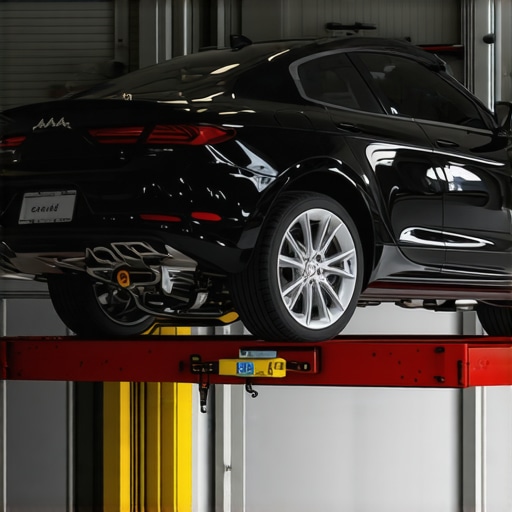
Many drivers believe that a tune-up or basic car service is just about changing oil and replacing filters. While these are foundational steps, the real nuances often escape attention, leading to costly misconceptions. For example, some assume that only major repairs need immediate attention, but often, small overlooked issues during routine maintenance can snowball into significant problems. It’s a common trap—brightening the dashboard lights or noticing unusual noise might be ignored until a breakdown occurs. Recognizing these subtleties is crucial, especially for those striving to maximize vehicle longevity and safety. According to expert mechanics, neglecting detailed diagnostics during a regular service can result in missing early signs of wear, which could compromise your vehicle’s performance later—don’t fall into this mistake. Instead, invest in comprehensive inspections, including brake system evaluations and fluid analyses, as these often reveal hidden issues before they escalate. For instance, a minor brake fluid leak or uneven wear pattern can be overlooked if not carefully checked, yet they are early indicators of more serious brake system failures. Dive into how regular tune-ups boost safety and fuel economy for more insights. Additionally, many drivers underestimate the importance of matching brake pads and rotors correctly; incompatible parts can cause uneven wear or squealing, misleading you into unnecessary replacements. The key is understanding the underlying criticalities rather than just the surface-level fixes. When it comes to auto repair and servicing, a common myth is that cheap parts or quick fixes are sufficient—nothing could be further from the truth. Using subpar components or ignoring manufacturer specifications often results in premature failures, as detailed in myth-busting reviews on brake parts. Advanced issues, such as subtle wheel bearing noises or hidden coolant leaks, can be missed without precise diagnostic tools. These ‘hidden nuances’ highlight why expert knowledge is key—automotive systems are incredibly interconnected, and a problem in one area often manifests in another. Have you ever fallen into this trap? Let me know in the comments. Remember, a well-executed service isn’t just about replacements; it’s about understanding your vehicle’s unique needs to prevent future breakdowns and keep your driving smooth and safe.
Choosing the Right Equipment for Long-Term Maintenance
Maintaining your vehicle’s performance isn’t just about replacing parts; it requires precision tools that help you diagnose issues early and perform effective repairs. Personally, I rely on a high-quality digital multimeter to check electrical systems—it’s invaluable for tracking down wiring faults or failing sensors without guessing. For inspecting brake systems, I use a brake caliper piston tool—even though it sounds specialized, it’s a game-changer for ensuring brakes are properly serviced, extending their lifespan and safety. When it comes to fluid testing, a refractometer enables me to measure coolant and brake fluid quality accurately, preventing corrosion and system failure.
For under-the-hood inspections, I swear by a compact mechanic’s stethoscope; it helps locate noisy components like bearings or belts quickly—saving time and preventing damage. Coupled with a reliable LED inspection flashlight, I can see tight spots and corrosion in hard-to-reach areas, crucial for proactive maintenance.
Software and Diagnostic Techniques That Save Money
Modern vehicle diagnostics rely heavily on software. I use an OBD-II scanner connected to a laptop with diagnostic software to read and clear error codes. This setup allows me to pinpoint issues like misfires or emission system faults without unnecessary part replacements. Popular choices include Bluetooth-enabled scanners compatible with smartphone apps; they provide instant insights and help you understand underlying problems, saving hefty repair bills. As vehicle systems grow more complex, staying updated with manufacturer-specific codes through official software updates ensures your diagnostic capabilities remain accurate.
How do I maintain my vehicle’s systems over time?
Regularly scheduled check-ups are vital, especially for critical components like brakes and suspensions. Routine fluid analysis with tools like refractometers, scheduled inspections using the right diagnostic software, and having quality hand tools ready form the backbone of effective long-term maintenance. Investing in these tools upfront can dramatically reduce future repair costs and extend your car’s lifespan. To deepen your understanding, consider consulting this expert guide which explores comprehensive tune-up strategies.
Looking ahead, vehicle technology is moving towards smarter diagnostics, with AI-powered systems predicting failures before symptoms even appear. Embracing these advancements now can position you to stay ahead of potential issues and keep your car performing at its best for years to come.
Try incorporating a diagnostic scan with your next routine maintenance—they’re more accessible and affordable than ever. This proactive approach is essential for reliable, long-lasting vehicle performance. For personalized advice, don’t hesitate to reach out here and get expert tips tailored to your car’s needs.
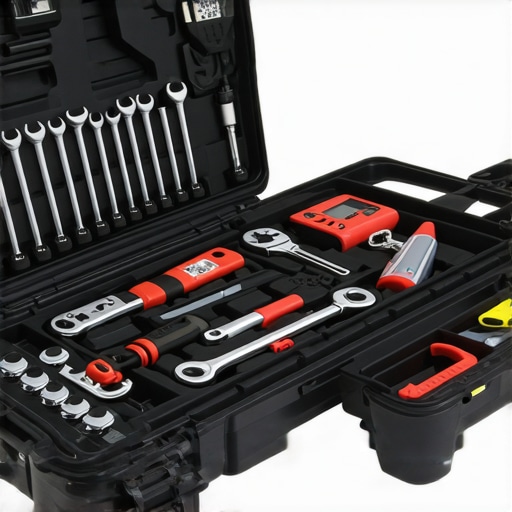
Adding an image of a professional mechanic’s toolbox, highlighting essential diagnostic and repair tools, helps illustrate the importance of proper equipment for ongoing vehicle maintenance.
Lessons No One Tells You About Car Maintenance
One of the most eye-opening lessons I learned from years of tinkering and roadside fixes is that not every noise or issue is an immediate disaster—often, they’re signs that can be addressed with preventative care, saving money and stress. I once ignored a squeak in my brakes, thinking it was just dirt, only to face an expensive rotor replacement later. That taught me to trust my instincts and investigate early. Additionally, I discovered that proper tools, like a diagnostic scanner or a quality pry bar, dramatically increased my confidence and success in DIY repairs. The biggest insight? Regular, honest inspections are the best insurance against costly breakdowns—never underestimate the power of a proactive approach. Lastly, I realized that understanding the nuances of components such as wheel bearings or CV joints often transforms a stubborn issue into a manageable fix, rather than a costly surprise. These lessons reshaped my relationship with my car and made me a more confident owner—something I wish everyone experiences.
Tools and Resources That Elevate Your Auto Knowledge
Over time, I’ve built a toolkit that truly makes a difference. A high-quality OBD-II scanner, for example, has become my go-to for diagnosing error codes efficiently, saving me trips to the mechanic. I also rely on a digital multimeter for electrical issues, ensuring I don’t chase ghost problems. For brake and suspension work, a sturdy brake caliper piston tool and a set of good jack stands are indispensable; they make every repair safer and smoother. As I deepened my understanding, I turned to trusted resources like this guide on tune-ups to refine my routine. The secret, I’ve found, is combining reliable hardware with expert knowledge—my personal strategy to keep my vehicle running like new.
Keep Your Drive Strong: Make Your Next Move Today
Your car is more than transportation; it’s a trusted partner that deserves attentive care. The lessons, tools, and insights shared here are your toolkit for a longer, safer, and more enjoyable journey. Don’t wait for a mysterious clunk or warning light—take action now. Regular maintenance, proactive diagnostics, and a curious mind will serve you well in the long run. Remember, every single step you take towards understanding your vehicle is a step towards independence and confidence behind the wheel. So, get out there, trust your instincts, and keep your car in top shape—your future self will thank you.
Have you ever caught a small issue before it became a big problem? Share your experience below—your story might inspire someone else to start their own auto care journey!
}**