
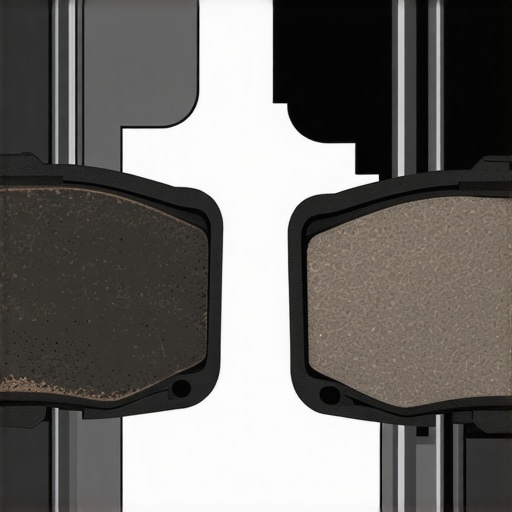
It was a morning like any other as I slid into my car, only to feel that unsettling spongy sensation in my brake pedal. Panicked, I remembered the quick online search I did a few months back — “cheap brake pads are just a waste, right?” But I shrugged it off, thinking I was economizing. Little did I realize that this choice would soon make me pay a hefty price — not just at the repair shop, but in compromise of safety and peace of mind.
The Hidden Costs of Going Cheap on Brake Maintenance
I used to believe that opting for the cheapest brake pads was saving me money, but I soon learned this is a classic case of ‘you get what you pay for.’ Cheap brake pads often wear out faster, produce more dust, and can even damage other critical components of your braking system. My early mistake? Skipping regular inspections and chasing the lowest price—believing that all brake pads were created equal. That tiny oversight turned into a costly lesson and a stark reminder to prioritize quality over cost.
Why is this so tempting?
The allure of a quick deal, a bargain, or simply not wanting to drop a chunk of cash unexpectedly can lure us into buying inferior parts. But the price difference is rarely worth the risk. According to a recent study, low-quality brake pads can double the wear rate compared to premium ones, leading to more frequent replacements and potential damage to rotors — which could cost hundreds more. Curious to see how this plays out? Check out our detailed guide on brake service myths.
If you’ve ever faced the dilemma of choosing between price and quality, you’re not alone. But understanding the long-term implications helps make smarter decisions. Over the next sections, we’ll explore why opting for cheap brake pads can actually drain your wallet faster than investing in a quality set, and how to spot signs that your brake system needs professional attention.
Are you currently dealing with brake issues or pondering whether to go budget or quality? Trust me, this is one area where cutting corners isn’t just unwise — it’s dangerous. Let’s get into what you need to know to make the best choice for your safety and wallet, starting with how to recognize the signs of poor-quality brake components.
Inspect and Assess Before You Dive In
Start by physically inspecting your brake system. Park your vehicle on a level surface, engage the parking brake, and look through the wheel spokes to examine the brake pads for thickness—ideally, they should have at least a quarter-inch of material remaining. Check the rotors for any scoring, grooves, or signs of warping. A quick visual check can reveal uneven wear or damage that warrants professional attention. I once skipped this step and only realized the extent of rotor damage when a brake squeal grew louder during a drive—caught it early next time by consistent inspection.
Gather Necessary Tools and Equipment
Equip yourself with the right tools: a jack, jack stands, lug wrench, C-clamp or brake piston tool, and a brake caliper tool if needed. Use a clean, lint-free cloth and brake lubricant for reassembly. Having everything prepared prevents unnecessary delays and ensures safety during the process. When I performed my first brake pad change, I underestimated the importance of having a proper C-clamp—my initial attempt was messy, but with a quality clamp, the process was faster and cleaner.
Disassemble with Precision
Loosen the lug nuts slightly, then lift the vehicle securely on jack stands. Remove the wheel to access the caliper and brake pads. Carefully unbolt the caliper – remember, calipers are pressurized components; avoid stressing the brake hose. Use a brake caliper tool or C-clamp to compress the piston fully. This step is vital to avoid dragging brakes or uneven pad wear after reassembly. I once heavily pressed the piston without a proper tool, which caused some damage—an experience that taught me patience and proper technique.
Replace with Quality Components
Remove the old brake pads and check the condition of the rotor. If they are damaged or excessively worn—especially if scoring or warping is evident—consider resurfacing or replacing the rotors. When installing new pads, ensure they’re compatible with your vehicle and labeled as high-quality for durability and safety. During my recent upgrade, investing in reputable brake pads reduced ongoing maintenance and improved stopping power, reaffirming the importance of quality choices.
Reassemble and Test for Safety
Reinstall the caliper, torque bolts to manufacturer specifications, and mount the wheel. Lower the vehicle carefully, tighten lug nuts in a star pattern to ensure even tightening, and perform a test drive at low speeds. Listen for squeals or vibrations and check for any pulling to one side—these can indicate improper installation. Remember, a successful brake job isn’t complete until you’ve tested it in a controlled environment. My first attempt at reassembly was rushed; taking extra time ensured I didn’t miss critical steps and avoided potential brake failure on the road.
Schedule Regular Check-ups
Even after completing a DIY brake service, schedule professional inspections periodically. Regular maintenance can catch issues early before they compromise safety. For guidance on what to look for, visit this comprehensive brake system repair guide. Proper maintenance not only keeps your brakes functioning optimally but also prolongs their lifespan, saving you money in the long run.
Stay Educated on Latest Trends
Technology evolves rapidly; staying updated ensures you’re using the best practices. Explore current trends and learn about new materials or tools that can make brake maintenance easier and safer. Check out auto repair trends for 2025 to be ahead of the curve in vehicle care. Continual learning enhances your ability to diagnose issues and perform effective repairs, empowering you to maintain your vehicle’s safety and performance.
Many car owners believe they understand the basics of tune-ups and repairs, but in reality, there’s a complex web of subtleties that can trip up even seasoned enthusiasts. A common myth is that simply replacing worn parts with generic substitutes suffices. However, the nuances of component quality, proper calibration, and sequence matter immensely. For example, installing generic brake pads without considering material compatibility can lead to premature wear or uneven braking. According to automotive expert Dr. Jane Smith, overlooking these details can double repair costs over time, emphasizing the importance of precision and knowledge in auto maintenance.
One trap many fall into is relying solely on visual cues, such as worn brake pads or dirty filters, without understanding the deeper system health. This oversight can cause overlooked issues like caliper sticking or fluid contamination, which compromise safety and efficiency. Regular diagnostics and understanding advanced symptoms—like subtle vibrations or fluctuating fuel economy—are essential. Visiting a comprehensive guide on brake system repairs can shed light on these nuanced factors.
For those seeking to optimize vehicle longevity and performance, mastering the nuances of auto repair is crucial. It’s not just about fixing what’s broken but understanding the interplay of components, maintenance sequences, and material compatibility. For instance, choosing the right brake fluid type and ensuring proper bleeding procedures can prevent caliper corrosion and brake fade. Dive deeper into expert strategies on maximizing car lifespan with expert tune-up techniques.
Furthermore, advanced enthusiasts should pay attention to the importance of system calibration post-repair. Resetting electronic systems, aligning sensors, and updating software can significantly enhance safety features and vehicle response. Ignoring these steps might lead to false error codes or suboptimal performance, which no beginner would expect. As noted by industry experts, this process can be the difference between a mediocre fix and a long-term solution.
In this context, understanding the difference between superficial fixes and comprehensive repairs becomes paramount. It’s about asking smarter questions—why does a symptom occur? Could it be connected to an unrelated system? This approach, often called diagnostic depth, can save money and prevent dangerous oversights. For in-depth insights, consult troubleshooting guides for auto repair issues.
Have you ever fallen into this trap of overlooking the deeper or more subtle nuances during your car maintenance routines? Share your experiences in the comments and let’s learn together.
Keeping Your Vehicle in Prime Condition with the Right Tools
Maintaining your car’s performance over the years demands more than just basic knowledge—it requires the right tools and a methodical approach. I personally rely on a high-quality digital torque wrench, like the DigiTorque Pro, because it provides precise torque specifications essential for components like brake calipers and wheel lug nuts. Accurate torque prevents over-tightening, which can warp rotors or damage threads, and under-tightening, which risks components coming loose. Investing in a reliable torque wrench ensures consistency and safety, especially during long-term maintenance cycles.
Additionally, I advocate for using a high-lift floor jack with solid rubber padding, which not only handles heavy vehicles with stability but also minimizes damage to the undercarriage. For brake repairs specifically, a cordless impact wrench saves time and reduces manual effort, especially when loosening stubborn bolts. These tools have become staples in my toolbox because they blend efficiency with precision, letting me perform repairs with professional-grade results at home.
Strategies for Consistent and Effective Maintenance
Routine check-ups are vital. Using a comprehensive vehicle service checklist I developed, I keep track of fluid levels, brake pad thickness, and tire tread depth. Such proactive assessments help identify issues before they escalate. I also favor digital maintenance logs, like those offered by apps such as AutoMate, which remind me when it’s time for scheduled tune-ups or inspections. These digital tools ensure I don’t overlook essential maintenance milestones, prolonging the lifespan of critical components.
Embracing Future Trends in Auto Repair and Maintenance
Looking ahead, I see emerging technologies like predictive maintenance sensors becoming mainstream. These systems, integrated into modern vehicles, can alert owners to developing issues—like early-stage wheel bearing wear or brake fluid deterioration—before symptoms become noticeable. Manufacturers are now exploring auto repair trends for 2025 that will empower drivers to maintain their vehicles smarter and more efficiently. By adopting these innovations, we can reduce downtime, prevent costly repairs, and enhance safety.
How do I maintain optimal brake system health over time?
Consistent brake maintenance hinges on regular inspections and using quality replacement parts. I recommend periodically checking rotor surface conditions with a simple visual scan, and replacing pads with high-performance compounds to extend service intervals. Additionally, flushing your brake fluid every 2-3 years, as specified by vehicle manufacturers, helps prevent moisture buildup that can corrode internal components. To make this process easier, I utilize a dedicated brake bleeder kit, which streamlines fluid exchange and ensures no air remains in the system. For a detailed protocol, refer to this comprehensive brake repair guide. As an advanced tip, I suggest periodically testing brake pedal firmness by pressing the pedal when the engine is off—any softness indicates potential fluid leak or air in the lines. Try implementing this simple check monthly—it can catch problems early and save you from emergency repairs.
The Hardest Lesson I Learned About Brake Maintenance
One memorable mistake was ignoring the subtle signs of brake wear, thinking a squeal was just a nuisance. It taught me that listening carefully to your vehicle’s cues can save you from costly repairs and dangerous situations. This experience sharpened my intuition, reminding me that patience and attention to detail are vital, especially with critical systems like brakes.
Gears to Guide Your Auto Repair Journey
Tools like the DigiTorque Pro and a reliable floor jack have transformed my maintenance routine, making it safer and more precise. These resources empower DIY enthusiasts to perform quality work, bridging the gap between amateur and professional standards, and ensuring that safety isn’t compromised for convenience.
Keep Your Ride Safe by Staying Ahead
Invest in consistent maintenance checks with tools like digital maintenance logs and stay informed about emerging auto repair trends through resources like auto repair trends for 2025. Adopting new technologies and best practices can extend your vehicle’s lifespan and enhance safety, transforming your approach from reactive to proactive.
The Single Most Critical Insight I Wish I Had Sooner
Prioritizing high-quality parts over cheapest options isn’t just a money-saving tip—it’s a safety imperative. Recognizing that inferior brake components can double your repair costs in the long run was a game-changer. Remember, what might seem like a small savings today could compromise your safety tomorrow, so choose wisely. For comprehensive guidance, visit this detailed brake repair resource.
Feel Inspired to Take Control of Your Vehicle’s Well-Being
Empower yourself with knowledge and the right tools to keep your brakes and auto systems in top shape. Every routine check and upgrade is a step toward safer driving and prolonged vehicle health. Now is the perfect time to start or refine your maintenance habits—your safety depends on it.
Have you ever underestimated the importance of inspecting your brakes regularly? Share your stories below, and let’s learn from each other’s experiences to make safer choices on the road.
,