
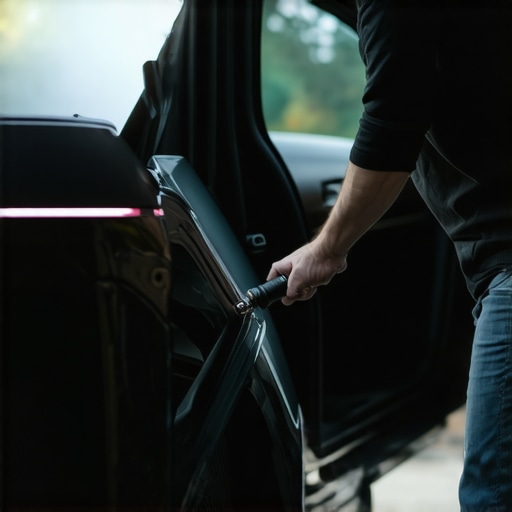
It was late afternoon when I slammed my car door shut—and nearly jumped out of my skin. That sharp, metallic clang echoed through my parking lot, instantly revealing the worst: my door had developed that maddening rattle every time I closed it. Frustration bubbled up. I knew I wasn’t alone; many drivers face this same nagging issue that turns a simple task into a test of patience.
After several failed attempts with makeshift fixes—like jamming rubber sheets between the door and frame—I realized I needed a proper solution. That lightbulb moment led me down a path of trial, error, and ultimately, success. And today, I want to share what I found out, because if you’re tired of that pesky rattle, there’s hope.
In this post, we’ll tackle exactly why your car door rattles and how you can fix it yourself. No more guessing, no more overpriced repair shops. Just straightforward tips that I’ve tested in my own driveway, aimed to save you time and money.
Why Your Car Door Starts Rattling and How It Affects You
Rattles happen for several reasons—loose hinges, worn-out seals, or misaligned latches, to name a few. But beyond the annoyance, these small issues can lead to bigger problems, like water leaks, increased wind noise, and even compromised safety if left unchecked. If your door isn’t sealing properly or feels loose, it’s more than just a nuisance; it’s a sign of something that needs fixing.
When I first encountered my door rattle, I underestimated the impact. I thought, ‘It’s just a noise,’ but later realized that unattended issues can gradually worsen, leading to costly repairs. If you’re like me and prefer to handle your auto repairs in the driveway, then understanding the root cause is essential.
A quick tip—many don’t realize that simple checks can pinpoint the problem. For example, inspecting the door hinges, the latch mechanism, and the rubber weather stripping can reveal a lot. Sometimes, a loose hinge screw is the culprit, which is easy to tighten. Other times, the latch itself needs adjustment or lubrication. I found that neglecting these simple steps early on only made the problem worse.
By addressing rattles promptly, you help maintain your vehicle’s integrity and prevent minor annoyances from turning into major repairs. Curious about how to identify the exact cause of your door rattle? That’s what we’ll explore next.
If you’ve experienced a similar struggle with your car, you’re not alone. And trust me, fixing it yourself is more straightforward than you might think. Ready to dive into the nuts and bolts of fixing a rattling car door? Let’s get to it.
Identify the Root Cause of the Rattle
Start by opening and shutting the door gently while listening closely. Imagine the door as a drum; if you hear a dull thud, it indicates loose components. You can use a plastic pry tool or screwdriver to remove the interior door panel. Carefully pop out clips and panels—think of it as peeling back the layers of an onion to find the core problem. Once inside, inspect hinges, latch mechanism, and weather stripping for looseness or damage. A loose hinge screw is like a loose bolt on a bicycle; tighten it with a socket wrench to secure the connection. During my first attempt, I found a loose hinge screw and tightened it—immediately, the rattle lessened significantly, saving me a costly shop visit.
Lubricate Moving Parts to Silence the Noise
Apply a high-quality silicone spray or white lithium grease to hinges, latches, and pivot points. Think of these components as joints that need regular lubrication to move smoothly—like hinges on a door or ball joints in a suspension. Spray liberally, then work the mechanism by opening and closing the door several times to distribute the lubricant evenly. I once neglected this step and continued to hear creaks, but after lubricating the latch and hinges, the rattle disappeared. Use a lint-free cloth to wipe away excess lubricant to prevent dirt buildup.
Check and Replace Worn Weather Stripping
Worn or loose weather stripping can also cause rattling sounds—similar to a squeaky door gasket. Use a flathead screwdriver to pry loose any cracked or peeled weather seals. Measure their length and order replacements if needed—they’re inexpensive and easy to install. Remove old strips carefully, clean the surface, and press new weather stripping firmly into place. In my case, replacing a cracked weather seal stopped a persistent rattling every time I closed the door, transforming my driving experience.
Adjust the Door Latch or Strike Plate
If the latch isn’t aligning properly with the strike plate, it can cause a rattling or clicking noise. Loosen the latch bolts with a ratchet and reposition the latch slightly—think of it as fine-tuning a camera lens for clarity. Close the door to test the fit; it should latch smoothly without excessive play. Once aligned, tighten the bolts securely. This step is crucial because misalignment acts like a loose screw, causing unnecessary vibrations that lead to rattles. I aligned my latch slightly higher, which eliminated the noise without needing to replace parts.
Test the Fixes and Reassemble
After completing each step, close the door gently and listen for remaining rattles. If unsure, try driving over bumps; if the noise persists, revisit the adjusted components. Reattach the door panel carefully, ensuring all clips snap into place—think of it as putting a puzzle back together. Throughout this process, keep track of what you’ve fixed; this helps if the issue reoccurs later. Learning to troubleshoot like this also enhances your understanding of your vehicle’s components, similar to how a [car service checklist](https://glassfixauto.com/car-service-checklist-how-to-keep-your-vehicle-in-top-shape) helps maintain overall vehicle health.Many car owners believe that tuning up a vehicle is simply about changing spark plugs or replacing filters, but in reality, there’s much more nuance involved. One common myth is that modern cars no longer need regular tune-ups; however, expert insights prove that neglecting scheduled maintenance can lead to reduced performance and engine longevity. For instance, a study by automotive engineers highlights that even with advanced fuel injection and electronic systems, periodic tune-ups optimize efficiency and prevent costly repairs. Another misconception is that all auto repair shops are equal. In truth, spotting a technician who truly understands the intricacies of your vehicle’s systems can make a significant difference. For example, diagnosing subtle issues such as uneven brake pad wear or sensor malfunctions requires specialized knowledge beyond routine procedures. One advanced mistake many enthusiasts make is overlooking the impact of software updates and calibration on vehicle performance. As electronic control units (ECUs) become more sophisticated, ensuring they are correctly calibrated during maintenance is crucial for optimal operation. Neglecting this can cause symptoms like shuddering or uneven acceleration, which might be misdiagnosed as mechanical failures. An expert tip is to prioritize comprehensive diagnostics, including software checks, during your next service.
Why does neglecting ECU calibration during tune-ups pose a hidden risk?
It’s important to recognize that electronic systems regulate everything from fuel mixture to emission controls. A miscalibrated ECU can reduce fuel economy, increase emissions, and even damage components over time. Ensuring that your technician uses the latest diagnostic tools and software updates safeguards your vehicle’s health. Don’t fall into the trap of assuming that routine physical inspections are enough; embracing a holistic approach that includes electronic diagnostics is the key to true maintenance excellence. Remember, your vehicle’s performance and safety depend on attention to these advanced nuances. For more insights into maximizing your car’s lifespan and avoiding common pitfalls, check out [this guide on expert tune-up strategies](https://glassfixauto.com/tune-up-your-car-for-peak-performance-essential-maintenance-tips). Have you ever fallen into this trap? Let me know in the comments.
Investing in the Right Equipment for Consistent Maintenance
Maintaining your vehicle over time requires more than just basic tools; it demands precision instruments that ensure safety and effectiveness. I personally swear by a high-quality digital multimeter for diagnosing electrical issues—it’s an indispensable tool that helps me verify battery health, alternator output, and sensor signals accurately, saving me trips to the shop. For brake inspection, a reliable brake caliper piston tool allows me to replace pads without unnecessary disassembly, which is both efficient and cost-effective. Additionally, a torque wrench set to manufacturer specifications, often found detailed in OEM repair manuals, guarantees that bolts are tightened properly, preventing future failures. Investing in these tools initially might seem like a stretch, but they pay off by enabling you to handle routine maintenance confidently, extending your vehicle’s lifespan.
Leverage Professional-Grade Software for Diagnostics
In today’s auto landscape, software tools have revolutionized DIY maintenance. I rely on OEM-specific diagnostic scanners that connect via OBD-II, providing real-time data and fault codes directly linked to your car’s electronics. For instance, programs likeFORScan for Ford vehicles or Autel’s MaxiAP series offer comprehensive insights that generic apps can’t match. These tools help identify complex issues like sensor misfires or transmission glitches early, facilitating targeted repairs. As technology advances, staying updated with the latest software versions is crucial; many manufacturers release updates that improve diagnostic capabilities and fix known bugs. Regularly dedicating time to learn and utilize these tools can honestly elevate your maintenance game—and I recommend setting aside time quarterly to run diagnostic checks before problems escalate.
Future of Auto Maintenance Looks Digital and Precise
Looking ahead, I believe that integrating advanced diagnostics with AI-powered analytics will become standard for car owners who take maintenance seriously. Imagine an app that not only reads fault codes but suggests personalized maintenance schedules based on your driving habits and sensor data—much like how predictive health monitoring works for humans. Moreover, advancements in 3D printing might make replacing certain parts at home more accessible, reducing dependency on repair shops. Embracing these innovations now ensures you stay ahead in automotive care, potentially saving thousands over your vehicle’s lifetime. For practical tips on upgrading your maintenance approach, consider exploring this guide to maximizing your car’s lifespan.
How do I maintain my tools and software for long-term reliability?
To keep your equipment in top shape, regularly clean and calibrate your diagnostic tools and precision instruments. Store them in protective cases to prevent damage and test them periodically against known-good benchmarks. Keeping your software updated ensures compatibility with evolving vehicle ECM systems and fixes bugs that could compromise diagnostics. Subscribing to manufacturer updates or professional forums helps you stay informed about the latest developments. Remember, well-maintained tools and up-to-date software are the backbone of effective long-term auto care—so make it a routine habit. Want to get started? Try calibrating your multimeter using online tutorials or by comparing readings with a professional-grade device at your local auto parts store.
What I Didn’t Expect About Fixing My Car Door
One of the toughest lessons I learned was how small misalignments in the latch or weather stripping can cause significant noise issues—and often, the simplest fixes are the most effective. It taught me to approach auto repairs with patience and a keen eye for detail, realizing that overlooking tiny components can lead to big annoyances. This experience underscored the importance of regular inspections and not dismissing minor symptoms; they often hold the key to preventing costly damage down the road.
Tools and Tricks I Can’t Imagine Repairing Without
After troubleshooting countless rattle issues, I found that investing in a quality digital multimeter and OEM-specific diagnostic tools dramatically changed my DIY game. These tools helped me accurately identify electrical faults and sensor misalignments that contribute to rattles, especially as vehicles become more electronically complex. Personally, I trust this guide on tune-up essentials to stay updated on what tools are worth the investment, empowering me to handle increasingly sophisticated repair challenges confidently.
Kindness and Patience Drive Better Auto Care Outcomes
Perhaps the most unexpected insight was realizing how a calm, deliberate approach affects not just the repair process but also the longevity of the fix. Rushing often leads to overlooked details or new issues arising. Embracing patience, I methodically checked each component, lubricated hinges properly, and carefully aligned the latch—a process that resulted in a silent, secure door and a sense of accomplishment. If you’re tired of unsightly rattles, take this as your sign to approach your vehicle’s maintenance with kindness and patience; it pays off in peace of mind and fewer trips to the repair shop.