
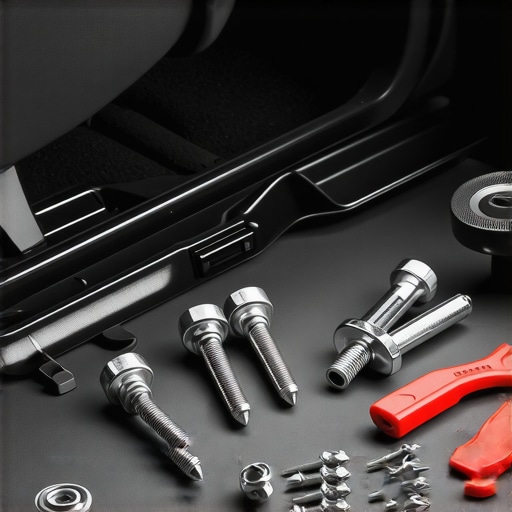
Ever been mid-drive when suddenly a loud, annoying rattle erupts from beneath your passenger seat? It’s that unmistakable clash of metal against metal, echoing every bump in the road, distracting you from the road ahead. I know the feeling all too well—one minute, peaceful commute; the next, a symphony of squeaks and rattles that just won’t quit. I remember fiddling endlessly, thinking my car was falling apart, only to realize that the culprit was surprisingly simple—something loose underneath my seat. That moment of realization was a bit of a lightbulb. But here’s the thing: that rattling is not just an annoyance; it’s a sign something’s not right. Ignoring it can lead to more costly repairs down the line, or worse, being stranded when a part finally gives way.
Today, I promise to guide you through the steps to silence that nagging noise once and for all. We’ll identify the common culprits, show you exactly how to troubleshoot, and, if needed, fix the problem yourself. It’s easier than you might think, and I’ll share tips from my personal experience that saved me from hefty repair bills.
Why Addressing Those Rattles Matters More Than You Might Think
That persistent rattle isn’t just an annoyance designed to ruin your music playlist. According to automotive experts, strange noises often point to parts that are loose or deteriorating, which, if left unaddressed, could compromise your safety or turn into major repairs. For example, a loose bolt or clip can cause wear on nearby components, and over time, lead to more serious issues like exhaust system damage or suspension problems.
Early detection and fixing can save you money and keep your vehicle running smoothly. Plus, a quiet ride feels so much better—no more losing concentration while trying to ignore that constant clattering. Whether you’re a daily commuter or someone who just wants the peace of a quiet cabin, tackling this issue is worth it.
If you’ve ever faced a similar problem—maybe that unsettling noise during a drive or when crossing a bump—you’re not alone. I’ve been there, and I want to help you avoid the frustration I experienced. To get started, I’ll walk you through the typical causes and what to look out for.
And just so you know, sometimes those rattles are caused by simple, fixable issues, like a loose piece of trim or a forgotten bolt, rather than a major repair. But ignoring even minor signs can lead to bigger headaches later. Ready to get to the bottom of that noise? Let’s dive into the common causes and how to identify them quickly.
Secure the Loose Parts
Start by inspecting the underside of your seat for loose bolts, screws, or clips. Use a flashlight to get a good look and ensure nothing is visibly misplaced. When I encountered this issue, I laid on the ground and manually wiggled every bolt I could reach, similar to checking the stability of a wobbly table. Tightening these fasteners with a ratchet or screwdriver often resolves the rattling without further effort.
Identify Common Culprits
Check for items that might have fallen or been left behind, like coins, small tools, or debris. Think of your seat as a container; loose objects can cause persistent noise. During my last fix, I found a small screw that had come loose from a nearby panel, causing the rattling. Removing or securing such items can be as straightforward as clearing out clutter from a drawer.
Inspect and Replace Worn Mounts
Worn or broken mounting brackets are frequent contributors to rattles. Gently rock the seat back and forth; if you hear squeaks or feel looseness, the mounts might need replacing. Car mounts work similarly to the suspension in your car—they absorb movement and vibrations. Replacing worn mounts can restore stability and eliminate noise. During my own repair, I removed a seat bracket and noticed corrosion, so I replaced it with a new one, much like replacing worn-out suspension bushings.
Check and Tighten Trim and Fasteners
Sometimes, rattles originate from loose trim or panels. Press along the edges and listen for the metallic clink. I once fixed a rattling plastic panel by simply pressing it back into place and tightening clips. If clips are broken, replace them with OEM parts or use a strong adhesive for a quick fix. This step is akin to fixing loose dashboard panels—easy, yet effective.
Test the Fix
After addressing potential issues, take your vehicle for a test drive over familiar bumps or uneven terrain. Pay attention to the sound. If you still hear the rattle, revisit earlier steps or consider additional diagnostics. A quick driving session helped me identify an overlooked bolt that I had previously missed, saving me from future complaints.
Prevent Future Rattles
Regularly inspect underneath your seats and tighten fasteners periodically. Adding a bit of WD-40 or appropriate lubricant on moving parts can reduce squeaks. Incorporate this routine into your car maintenance schedule, similar to regular tune-ups. Staying proactive helps keep your ride quiet and smooth, avoiding surprises like a rattling seat that distracts your drive.Many car owners believe that a simple tune-up or brake service is a one-and-done fix, but the reality is far more nuanced. A widespread myth is that these procedures are only necessary when symptoms appear, whereas regular maintenance can prevent costly breakdowns—and this proactive approach is supported by experts who emphasize routine tune-ups for optimal performance. Additionally, many assume that modern vehicles require less frequent attention, but advanced engineering still benefits from periodic diagnostics, especially as systems become more complex. Overlooking this can lead to missed early warnings of issues like failing sensors or worn components, which can escalate if not addressed promptly.
A common mistake is relying solely on visual inspections without understanding the underlying mechanics. For example, a worn brake rotor might appear fine visually, but if you don’t check the thickness or listen for pulsing during braking, you might skip a necessary repair. This oversight can compromise safety and lead to higher costs later. Experts warn against this ‘wait until it breaks’ mentality, suggesting instead a scheduled maintenance plan aligned with manufacturer recommendations. This strategy not only prolongs vehicle lifespan but also ensures safety.
Now, for the more seasoned gearheads, here’s a question to ponder: How do you distinguish between normal aging noises and early signs of critical component failure? It turns out, listening closely and understanding the typical sound signatures of your vehicle can save the day.
What Advanced Techniques Can Help Detect Hidden Problems Early?
Sound analysis tools and diagnostic scan tools have become invaluable, especially as modern cars incorporate computerized systems. For instance, brake diagnostics can reveal subtle issues like caliper sticking before they manifest as noise or reduced performance. Similarly, engine sensors can provide data on irregularities that aren’t visible to the naked eye. Recognizing these signs early is crucial because they often indicate underlying issues that, if left unchecked, can lead to major repairs or safety hazards.
Remember, the goal is to maintain a vehicle that not only runs efficiently but also keeps you safe on the road. Don’t fall into the trap of neglecting regular check-ups—think of it as a form of car insurance that pays dividends in reliability. If you’re interested in how routine tune-up strategies can extend your car’s lifespan, there’s a wealth of knowledge waiting to be explored.
Have you ever fallen into this trap? Let me know in the comments.Maintaining a vehicle’s performance over the long term requires reliable tools and a systematic approach. From diagnostic software to physical inspection gear, the right equipment can make all the difference in catching minor issues before they become costly repairs. I personally swear by using a high-quality code scanner like the Autel MaxiCOM series; it allows me to read and clear diagnostic trouble codes swiftly and accurately, providing immediate insights into my vehicle’s health. This proactive method helps me identify potential problems, such as failing sensors or emission issues, early enough to plan necessary maintenance without surprises.
Invest in a Good OBD-II Scanner
An On-Board Diagnostics scanner is essential for any car owner serious about longevity. Personally, I use the BlueDriver Bluetooth Professional Scanner because of its user-friendly app and detailed reports that often include possible fixes. It tracks error codes and even provides data on engine performance metrics, enabling me to monitor trends over time and anticipate upcoming repairs. As automotive technology advances, these tools are evolving too, integrating more features like live data streaming and firmware updates, which allows for continued utility years into the future.
Adopt a Routine Inspection Routine
Nothing beats a hands-on approach. I keep a detailed checklist for routine inspections, focusing on fluid levels, belt conditions, tire wear, and brake function. Tools like a digital multimeter help me check the condition of electrical components, ensuring connections are solid and systems-operate within specified ranges. Regular inspections using these tools can identify issues early—like a failing alternator or a worn-out serpentine belt—saving you from roadside breakdowns. Developing this habit is similar to regular health check-ups; preventative measures are always more cost-effective and less stressful than emergency repairs.
Embrace Software and Firmware Updates
Keeping your vehicle’s electronic systems current is often overlooked but vital. Many modern cars benefit from firmware updates that improve performance and fix known issues. I check my vehicle manufacturer’s website periodically or subscribe to official updates via my dealership’s service portal. Doing so ensures that your vehicle’s control modules—ranging from engine management to safety systems—are operating with the latest enhancements, which can lead to improved fuel efficiency and reliability. Trend analysts predict that automated diagnostics will become more integrated, allowing cars to self-report issues before you even notice them.
Long-Term Benefits of Proper Maintenance Tools
Utilizing these tools consistently not only prolongs the lifespan of your vehicle but also enhances safety on the road. Early fault detection through diagnostics means fewer emergency repairs, reducing costs and downtime. Plus, by staying ahead of wear and tear, you maintain a higher resale value. As technology progresses, I believe the trend will shift toward smarter, more connected diagnostic devices capable of predictive maintenance — notifying you via your smartphone about potential problems before they manifest as symptoms. This evolution promises a future where car care is more efficient and less burdensome.
How do I maintain my car tools over time?
Regular calibration and updating of diagnostic equipment are crucial. For instance, firmware updates for your OBD-II scanner ensure compatibility with new vehicle models and systems. Storing tools properly—cleaned, labeled, and in a dry environment—preserves their accuracy and longevity. Additionally, periodically testing your equipment against known standards can prevent misdiagnosis, saving you from chasing phantom issues. Investing in quality storage cases and maintenance kits ensures your tools remain in optimal condition, ready for when you need them most. For expert insights on extending your tools’ lifespan and optimizing your maintenance routine, check out the latest auto repair trends. Now, I challenge you to run a diagnostic check using your scanner before your next service appointment—it’s a simple step that can prevent a lot of headaches.
The hardest lessons I learned about keeping my car silent
- Patience is key; rushing repairs often leads to missed details and recurring rattles that become bigger nuisances over time.
- Knowing your vehicle’s normal sounds helps you distinguish between minor issues and serious problems requiring professional attention.
- Small fixes, like tightening a loose bolt or replacing a clip, can save you a lot of money and prevent future headaches if caught early.
- Regular maintenance routines aren’t just about performance—they’re about understanding your car deeply and building confidence in troubleshooting minor issues myself.
- Never underestimate the power of proactive inspection tools, such as a quality OBD-II scanner, which can reveal hidden issues before they escalate into costly repairs.
My favorite gear for auto repair victories
- The BlueDriver Bluetooth Scanner is my go-to for quick, reliable diagnostics, enabling me to identify issues early and avoid unnecessary trips to the mechanic.
- A sturdy ratchet and socket set—trust me, having the right tools makes all the difference when tightening bolts under the seat or replacing components.
- High-quality replacement clips and fasteners—saving on cheap parts that break easily, because durability matters for long-term silence.
- Keeping a detailed repair log and maintenance checklist helps me stay organized and proactive, especially when dealing with multiple small fixes across different vehicle systems.