
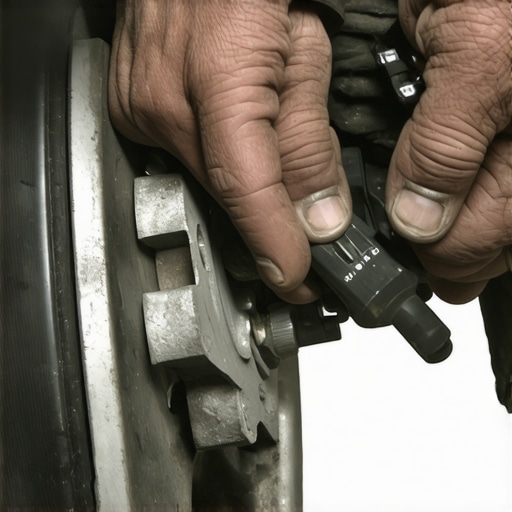
It was late afternoon when I first wrestled with a stubborn brake caliper pin that refused to budge. I had been tinkering in my driveway, expecting a quick fix, only to be met with an unyielding resistance that made me question my entire approach. That lightbulb moment—realizing I needed a different tactic—changed the game entirely. If you’ve ever faced a similar frustration, you know that struggling to free a stuck caliper pin can turn a simple brake service into a migraine. But here’s the good news: you don’t always need heat or harsh chemicals to get the job done.
Why Freeing a Stuck Brake Caliper Pin Matters
Brakes are the unsung heroes of safety on the road. When a caliper pin gets stuck, it can cause uneven brake wear, reduce stopping power, and even lead to more serious, costly repairs down the line. Early intervention not only saves you money but also prevents potential accidents. In my experience, understanding how to safely and effectively free that stubborn pin preserves your vehicle’s integrity and keeps you riding smoothly.
Is Using Heat Actually Necessary for Freeing a Stuck Caliper Pin?
This was the biggest worry I had when I faced my first stuck pin. I had always heard that applying heat was the go-to method, but I learned early on that heat isn’t always the best route, especially if you’re not a professional or don’t have the proper equipment. Using heat improperly can damage rubber components or cause corrosion to worsen. Instead, patience, the right tools, and careful techniques can do the trick. I made the mistake early on of rushing into forceful methods without proper preparation, which ended up causing more damage. Now, I focus on safer, less invasive solutions, and I can tell you—they work just as well, if not better, over the long haul. Curious about how to do this? Let’s go through some practical steps that will make your caliper pin free again without risking your brake system.
Prepare Your Workspace and Tools
Before diving into freeing that stubborn pin, gather essential tools like penetrating oil (WD-40 or PB Blaster), a wire brush, screwdrivers, and a hammer. Clear your workspace and ensure the car is securely jacked up with wheel chocks in place. I once skipped proper safety precautions, which led to a slippery tire and a close call—lesson learned the hard way. Proper preparation makes the process smoother and safer.
Apply Penetrating Oil and Wait
Spray penetrating oil generously onto the caliper pin and surrounding areas. Let it seep in for at least 10-15 minutes; this helps break down corrosion and rust like magic. Think of it as giving your car’s parts a relaxing break, loosening the grip of dirt and rust. During one project, I applied the oil and went for a quick coffee break; by the time I returned, the pin moved with minimal effort.
Use Gentle Tapping to Loosen
Lightly tap around the pin with a hammer or rubber mallet to encourage the lubricant to penetrate further. Avoid brute force; instead, think of loosening the pin as coaxing a reluctant friend out of their shell. I once tried to force a pin free with excessive hammering, which caused damage. Gentle, consistent tapping coupled with oil application is the way to go.
Try the Twist and Pull Method
Use needle-nose pliers or a pin removal tool to grip the caliper pin carefully. Twist gently back and forth to help break the rust’s grip, then pull steadily. It’s similar to opening a stubborn jar lid—patience and finesse win over brute strength. During a repair, I twisted and pulled methodically; the pin reluctantly budged, saving me from replacing the entire caliper.
Address Twisted or Severed Pins
If the pin twists or starts to shear, stop immediately. For severely corroded pins, consider replacing them rather than forcing further. This prevents damaging the caliper assembly. I once attempted to force a severely rusted pin, which snapped, leading me to order a replacement. Always replace damaged pins to ensure safety and proper brake function.
Clean and Lubricate Before Reinstallation
Once the pin moves freely, clean it with a wire brush to remove rust and debris. Apply high-temperature brake lubricant to ensure smooth operation in the future. Proper lubrication prevents future sticking—saving you time and trouble down the road. I learned this step the hard way when a sticking caliper caused uneven brake wear—don’t skip it!
Reassemble with Care and Test Drive
Reinstall the pin carefully, ensuring it seats correctly. After reassembling the brake components, perform a gentle test drive to verify proper movement. Listen for squeals or grinding sounds, which could indicate incorrect assembly. My first test drive after freeing a pin was nerve-wracking, but everything felt smooth, confirming success. Regular maintenance and awareness help avoid these issues altogether—consider [tuning up your car for peak performance](https://glassfixauto.com/tune-up-your-car-for-peak-performance-essential-maintenance-tips).
Many car owners tend to believe certain myths about auto repair and maintenance, which can lead to costly mistakes. One widespread misconception is that all brake problems require an immediate replacement of components, but in reality, many issues can be fixed with proper diagnostics and repair techniques. This misunderstanding often causes unnecessary expenses, such as replacing brake rotors or calipers prematurely. Instead, understanding the nuances of brake system repairs, like knowing when resurfacing is sufficient versus when parts need replacement, can save money and maintain safety. For instance, a study by the National Institute for Automotive Service Excellence highlights that incorrect assumptions about brake wear can lead to over- or under-maintenance, impairing vehicle safety.
Are you aware of the advanced diagnostics that can pinpoint issues more accurately than visual inspection alone?
Never neglect the importance of precise diagnosis; tools like ultrasonic testing or computerized scanner diagnostics can reveal problems invisible to the naked eye. Moreover, a common trap is relying solely on age or mileage to decide when to perform a tune-up. Many assume that once intervals are reached, service is unavoidable, but modern engine technology and quality lubricants extend these intervals significantly. To truly maximize your vehicle’s lifespan and performance, educate yourself with reputable guides, such as the [ultimate car service guide](https://glassfixauto.com/the-ultimate-car-service-guide-when-and-why-to-schedule-maintenance), which emphasize indicators rather than just mileage. Overlooking small issues or delaying maintenance runs the risk of causing more severe damage later, making timely, informed decisions essential. Remember, proactive care based on expert advice rather than myths can improve safety, vehicle longevity, and even fuel efficiency. Curious to learn more about optimizing your car maintenance routine? Check out our [tune-up tips](https://glassfixauto.com/tune-up-your-car-for-peak-performance-essential-maintenance-tips) and stay ahead of costly breakdowns. Have you ever fallen into this trap? Let me know in the comments.Maintaining your vehicle’s performance over time requires the right tools and a strategic approach. As an auto enthusiast, I rely on a combination of specific equipment and software that ensures longevity and reliable operation. One essential tool I personally use is a digital torque wrench. Unlike standard wrenches, a digital torque wrench allows me to apply precise force when tightening bolts, preventing over-tightening that can damage components—especially critical during experiments with brake systems or sensitive engine parts. For inspection and diagnostics, I prefer an OBD-II scanner with live data capabilities. This device provides real-time insights into engine parameters, helping me identify issues before they escalate. My favorite is the BlueDriver scanner because it connects seamlessly via Bluetooth, offers detailed reports, and supports customizable alerts—making regular maintenance more proactive. When it comes to cleaning, I recommend a cordless ultrasonic cleaner. These gadgets efficiently remove rust, grease, and debris from small parts like sensors or nuts, which are often challenging to clean manually. Using ultrasonic cleaning prior to re-lubrication or reassembly ensures optimal function and reduces the risk of future sticking or failure. Looking ahead, the trend in auto repair tools points toward automation and connectivity. Advanced diagnostic software integrated with cloud databases will soon enable technicians and enthusiasts alike to receive instant updates on recalls, common issues, and repair strategies tailored to specific vehicle makes and models. Staying ahead in this landscape means adopting tools that can interface with digital platforms and utilizing apps that streamline your maintenance routines. How do I maintain my tools and ensure they stay accurate over time? Regular calibration is key. For example, digital torque wrenches should be calibrated every 5,000 cycles or annually, whichever comes first. I send mine to certified calibration labs to keep readings trustworthy, especially before critical jobs like brake service. Additionally, keeping a maintenance log—either digitally or on paper—helps track calibration dates, tool replacements, and repair history, which is invaluable for long-term planning. If you’re serious about preserving your vehicle’s performance, consider integrating a professional-grade visualization system like a vehicle data logger. According to expert Mike Miller from Car and Driver, these loggers can monitor everything from fuel efficiency to vibration patterns, giving you actionable insights that extend your car’s lifespan. Ready to elevate your maintenance game? Start by investing in a high-quality digital torque wrench and committing to regular calibration. This small but powerful step can make a substantial difference in your auto repair journey.
Lessons That Changed My Approach to Brake Repairs
One of the most valuable lessons I learned is the importance of patience over brute force. Rushing to loosen a stuck brake caliper pin often leads to damage, which was a costly mistake I made early on. Now, I realize that penetrating oils and gentle tap-tap techniques are more effective and safer.
Another insight is recognizing when it’s time to replace a severely corroded pin instead of trying to force it free. Saving time and avoiding potential caliper damage justifies the extra step of replacing rather than repairing in stubborn cases.
Lastly, I discovered the power of proper preparation. Gathering the right tools and setting up a secure workspace can transform a frustrating job into a manageable project. Skipping this makes everything harder and riskier, so investing a few minutes upfront pays off.
Tools and Resources That Boost My Confidence
My go-to toolkit includes a reliable penetrating oil like PB Blaster, a quality wire brush, needle-nose pliers, and a rubber mallet. These are essential for minimally invasive but effective caliper pin freeing. I trust these tools because they’ve proven their durability and effectiveness over time, helping me avoid unnecessary damage.
For diagnostics and maintenance tips, I rely on trusted sources like the Ultimate Car Service Guide and Auto Repair Trends 2025. They keep me informed about latest techniques and preventive measures, making each repair more efficient and less stressful.
Additionally, I use a digital torque wrench for safe reassembly, and an ultrasonic cleaner for cleaning small parts before reinstallation. These investments ensure longevity and reliability in my repairs, giving me peace of mind on the road.
Your Next Step Towards Confident Vehicle Care
Real progress comes from taking action, not just reading about it. Mastering the skill of freeing a stuck brake caliper pin safely allows you to save money and enhance your vehicle’s safety. Remember, every repair is a step towards becoming more self-reliant and knowledgeable about your car.
Ready to put these tips into practice? Keep learning, stay patient, and don’t hesitate to reach out for expert advice or additional resources. If you’re curious about other aspects of vehicle maintenance, explore our tune-up strategies or read about common mistakes to avoid with brake work. How have your experiences with stuck pins or brake repairs shaped your confidence behind the wheel? Let’s discuss below!