
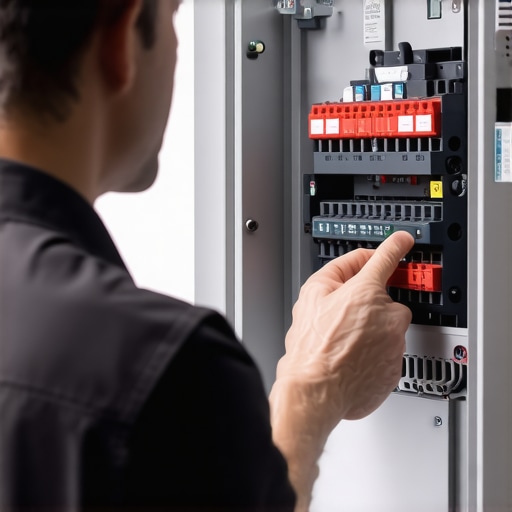
Ever been stranded in your driveway, trying to troubleshoot your car’s electrical glitch, only to realize you left your test light at the shop? That frustrating moment when you’re staring at a non-responsive dashboard or malfunctioning accessories, and all you want is a quick fix. I vividly remember when my brake lights suddenly stopped working, and I had no tester handy. Instead of panicking, I decided to get creative, and surprisingly, I managed to identify the blown fuse without any fancy tools. That experience taught me an invaluable lesson: sometimes, relying on common sense and simple observations can save the day.
Why Knowing How to Spot a Blown Fuse Matters
Fuses are tiny but crucial components in your vehicle’s electrical system. They act like safety valves, preventing costly damage by shutting down circuits that are overcurrent. When a fuse blows, it can cause everything from your headlights flickering to important safety systems like airbags or ABS failing. Recognizing a blown fuse early can prevent you from being stranded or facing costly repairs, making it an essential skill for every car owner.
Not every car trouble is complicated, and often, a blown fuse is the culprit behind seemingly unrelated problems. But here’s the kicker: many people overlook basic visual clues and jump straight to costly diagnoses. Early on, I made the mistake of replacing fuses blindly after just guessing that they might be the issue. It’s a common trap, but also one you can easily avoid.
Knowing how to identify a blown fuse without a test light not only saves time and money but also empowers you to handle minor electrical hiccups confidently. Plus, it’s a handy skill that can make you feel more in control during those unexpected breakdown moments. For a broader understanding of vehicle maintenance, check out [this guide on regular tune-ups](https://glassfixauto.com/how-regular-tune-ups-improve-fuel-efficiency-and-safety), which emphasizes basic diagnostic skills.
Now, let’s dive into how you can spot a blown fuse using simple observations and tests you can do with your eyes and ears — no specialized devices needed. Are you ready to become the neighborhood’s go-to auto troubleshooting expert? Let’s get started.
Locate the Fuse Panel First
Start by finding your vehicle’s fuse box, typically under the dashboard or hood. Consult your owner’s manual if unsure. Once located, open the panel carefully, and avoid forcing the cover off to prevent damage.
Visual Inspection Is Key
Remove the fuse related to the malfunctioning component using a fuse puller or tweezers. Examine the metal strip inside—the hallmark of a blown fuse is a broken or melted strip. I remember a time I checked my headlights fuse visually and instantly spotted the thin, broken metal, saving me a trip to the shop.
Check for Discoloration or Burn Marks
Look for any signs of discoloration, blackening, or charring on the fuse. These are indicators of overload. Sometimes, the fuse might look intact but is burnt out; closely inspecting can reveal subtle clues.
Test the Fuse with a Multimeter or Continuity Test
If you have a multimeter, set it to the continuity setting. Place the probes on the fuse’s metal contacts; a beep or a reading below 1 ohm confirms it’s good. No beep or infinite reading indicates the fuse has blown. While a multimeter is ideal, simple continuity tests are quick and effective, similar to how I used a basic tool to confirm a fuse was dead without any specialized tester.
Replace with a Correct-Fuse Yet Confirm the Issue Remains
If the fuse is blown, replace it with one of the exact amperage rating. Don’t use a higher-rated fuse as a quick fix; it risks damaging your wiring. After replacement, test the component and observe if the problem persists—or if a new fuse blows immediately, indicating a deeper electrical issue needing expert attention.
Verify the Circuit After Repair
Once the fuse is replaced and the component tested, turn on your vehicle and operate the affected system. Confirm it functions properly. If issues reappear quickly, it could hint at wiring shorts or accessory malfunctions, which may require further diagnostic steps.
Document Your Findings and Next Steps
Keep a record of which fuse was blown and replaced. Use that information for future reference or troubleshooting. If new fuses blow recurrently, don’t ignore it; it could lead to more serious problems like wiring shorts or failing components. Consider scheduling a thorough inspection through [this trusted guide](https://glassfixauto.com/troubleshooting-common-auto-repair-issues-before-visiting-the-shop) to prevent further damage.
When it comes to auto repair and maintenance, there’s a widespread misconception that all service practices are straightforward and universally beneficial. In reality, many car owners fall into common traps fueled by myths or oversimplified advice, leading to suboptimal care and sometimes even costly mistakes. As an experienced technician, I’ve seen how these misunderstandings can delay proper repairs or cause unnecessary part replacements.
Why the Fix-All Approach Can Do More Harm Than Good
One of the most pervasive myths is that routine services like tune-ups or brake replacements are always necessary at fixed intervals, regardless of a vehicle’s condition. However, modern vehicles equipped with advanced engine management systems and sensor technology require a nuanced approach. Over-servicing, or replacing components unnecessarily—especially based on generic timeframes—can not only waste money but also introduce risks. For example, replacing a fuel filter that still functions optimally can disrupt the delicate balance of fuel flow, adversely affecting emissions and engine performance. Consult [this detailed guide](https://glassfixauto.com/auto-repair-trends-to-watch-in-2025-staying-ahead-of-the-curve) to learn how scheduling should be tailored to individual vehicle needs rather than following generic recommendations.
Beware of the Costly Trap of Overlooking Symptoms
A common mistake is to ignore subtle warning signs during routine maintenance, assuming they are insignificant or temporary. For instance, a faint brake pedal vibration might seem minor—until it leads to warped rotors or a failed ABS module. Recognizing signs early, like unusual noises or decreased performance, can dramatically improve repair outcomes and avoid leading to more significant issues. This is especially critical because some symptoms mimic other problems; a squeaky belt could be confused with a failing alternator. Establishing a habit of detailed inspections and honest symptom reporting can save you from expensive surprises. For a comprehensive understanding, see [this expert-validated breakdown](https://glassfixauto.com/understanding-brake-system-repairs-a-guide-for-vehicle-owners).
Do You Know How Modern Diagnostics Improve Precision?
Advanced diagnostic tools don’t just tell you when something is wrong—they help pinpoint issues with remarkable accuracy. Relying solely on visual inspections or basic tests can mislead you into replacing parts that aren’t faulty. For instance, a misfiring engine might seem like a spark plug problem, but ECM codes and live data readings could reveal wiring issues or sensor failures. Mastering the use of diagnostic scanners and understanding their outputs elevates your ability to perform precise repairs, reducing unnecessary labor and parts costs. Studies, like those summarized in [this research](https://glassfixauto.com/troubleshooting-common-auto-repair-issues-before-visiting-the-shop), show that proper diagnostics improve repair efficiency and vehicle longevity. Have you ever fallen into this trap? Let me know in the comments.Maintaining your vehicle’s performance over time isn’t just about quick fixes; it requires the right tools, consistent habits, and understanding the nuances of auto care. As someone deeply involved in auto repair, I recommend investing in a high-quality Digital Multimeter. Unlike basic testers, my preferred multimeter offers true RMS measurement, which is crucial for accurately diagnosing modern vehicle electrical systems. This precision helps me identify issues like parasitic drains or faulty sensors more confidently, ensuring fewer guesswork mistakes and saving time in the long run.
Beyond the multimeter, a reliable OBD-II scanner is indispensable. I personally use a model that provides comprehensive live data and freeze-frame diagnostics, allowing me to pinpoint problems before they escalate. Regularly updating its firmware ensures compatibility with the latest vehicle models, and I often consult manufacturer-specific diagnostic trees available through specialized software to understand complex codes.
Routine maintenance also involves understanding the needs of your vehicle through scheduled inspections. Tools like a magnetic inspection mirror enable me to evaluate hard-to-see areas such as the back of the engine bay or underneath the chassis effectively. Juggling multiple components without proper visuals can lead to oversight, so investing in durable, easy-to-handle inspection tools is worthwhile.
Looking ahead, the trend in auto maintenance points toward integrating advanced diagnostics with IoT connectivity. This evolution will facilitate proactive maintenance, alerting vehicle owners about potential issues with recommendations for professional services before breakdowns occur. Staying informed about these developments via industry trends, such as those discussed in [auto-repair trends to watch in 2025](https://glassfixauto.com/auto-repair-trends-to-watch-in-2025-staying-ahead-of-the-curve), can give you a significant edge.
How do I maintain my diagnostic tools over time? I make it a point to calibrate my multimeter annually and perform firmware updates on my OBD scanner every few months. Proper care extends their lifespan and ensures consistent accuracy. Also, storing them in protective cases prevents damage from dust or accidental drops.
If you’re serious about keeping your car performing at its best, I encourage you to try calibrating your multimeter first. It’s a straightforward process but can dramatically enhance diagnostic confidence. Remember, owning the right tools combined with consistent maintenance practices is your best strategy to keep your vehicle running smoothly for years to come.
What I Wish I Knew When I First Started Troubleshooting
One of the most valuable lessons I learned is that a sharp eye and a basic understanding can often solve what seems complex. Instead of rushing to replace parts or calling a mechanic for every minor issue, taking a moment to inspect the fuse visually or test it with a multimeter can save time and money. This simple step transformed my approach from guesswork to confidence.
I also realized that street-smart knowledge about your vehicle can be more empowering than relying solely on tutorials or tools you might not have. Recognizing the subtle signs of a blown fuse early on prevented major breakdowns. Trust me, developing this skill has kept me from being stranded and has made me a more proactive car owner.
Tools and Tips That Elevated My Diagnostic Game
Having a good-quality digital multimeter and a reliable OBD-II scanner changed the way I approach car troubleshooting. Not only do these tools provide precise readings, but they also boost my confidence in diagnosing issues correctly without unnecessary guesswork. For instance, after learning how to check a fuse’s continuity, I could identify and replace the blown fuse immediately, instead of waiting for a mechanic or buying multiple spares.
I also learned to keep a maintenance journal, noting which fuses blew and under what circumstances. This habit helped me spot patterns and anticipate problems before they escalated. If you’re serious about maintaining your vehicle, exploring [auto repair trends for 2025](https://glassfixauto.com/auto-repair-trends-to-watch-in-2025-staying-ahead-of-the-curve) can give you insights into emerging diagnostic technologies and best practices.
Feeling More in Control During Unexpected Breakdowns
Empowerment in auto repair isn’t just about the tools; it’s also about mindset. Knowing you can inspect, test, and replace a fuse confidently can turn a panic-inducing situation into a manageable one. The peace of mind that comes with this knowledge encourages you to stay engaged with your vehicle’s health, preventing minor issues from becoming major headaches.
So, next time your dashboard lights flicker or your accessories fail unexpectedly, remember that your ability to check a fuse is a valuable skill. It connects you closer to your car, making maintenance feel less like a chore and more like a skill worth mastering. And as technology advances, staying curious and informed will keep you ahead of potential problems, ensuring your vehicle stays reliable for miles to come.