

I remember the first time it happened to me—driving home late at night, feeling confident in my trusty car, only for my headlights to start flickering and dimming unexpectedly. That sinking feeling called out, “Something’s wrong,” and I knew I couldn’t ignore it. It was a moment of realization that my vehicle’s electrical system was potentially heading for trouble. Have you ever experienced that sudden drop in headlight brightness while on the road? If so, you’re not alone—many drivers face this confusing issue, often misattributing it to just aging bulbs or faulty wiring.
Shedding Light on the Dimming Headlight Mystery
The truth is, dimming headlights are more than just an annoyance. They can signal underlying problems with your car’s electrical system or alternator, and ignoring them might lead to more costly repairs down the line. Understanding the root cause helps you prevent a breakdown in the middle of nowhere or a dangerous driving situation. Today, I’m going to share proven insights from my personal experience, plus reliable tips to diagnose and fix this issue before it worsens.
Is It Really Worth Worrying About Headlights Dimming?
Initially, I too dismissed it as a simple bulb burnout. But I made the mistake early on of assuming all was fine when, in reality, the problem was escalating beneath the surface. An outdated or failing alternator is often the culprit—your car’s way of telling you it’s struggling to generate enough power. This isn’t just about seeing clearly; it’s about safety and avoiding being stranded unexpectedly. Early diagnosis can save you from hefty repair bills. For more detailed maintenance tips, check out this comprehensive car service guide.
In the following sections, I’ll walk you through common causes, practical diagnostics, and effective solutions to ensure your headlights shine bright every time you hit the road. Ready to shed some light on what’s really going on with your vehicle? Let’s get started.
,
Test Your Battery and Alternator First
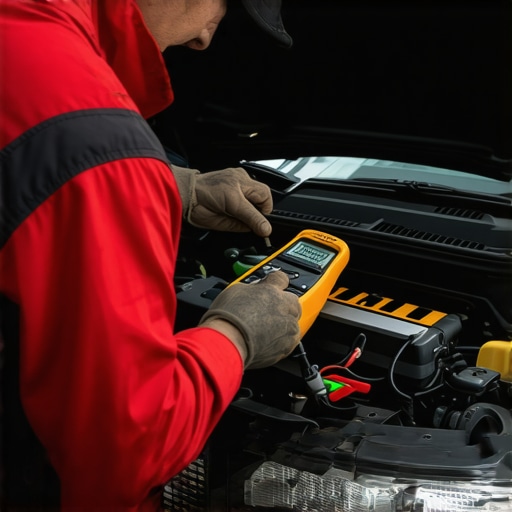
Start by checking your vehicle’s battery voltage with a multimeter—aim for around 12.6 volts when the engine is off. Then, start the engine and verify the voltage rises to approximately 13.8 to 14.4 volts, indicating the alternator is charging properly. I learned this the hard way when my headlights flickered, and a quick test revealed my alternator was barely producing enough power. Replacing or repairing the alternator restored my headlights and saved me from roadside danger.
Inspect and Tighten All Connections
Loose or corroded battery terminals can cause inconsistent power flow, leading to dim headlights. Disconnect the terminals, clean them with baking soda and water (see this guide), and ensure they’re tightly secured. I discovered my terminals were loose after a routine check, and tightening them immediately improved headlight brightness.
Check the Fuses and Relays
Locate your vehicle’s fuse box—usually under the dashboard or hood—and verify the fuse linked to your headlights isn’t blown. Replace any faulty fuse, and inspect relays by swapping them with identical functioning ones. Once, I replaced a blown fuse that was causing flickering, and my headlights stayed bright ever since. Consult your owner’s manual or vehicle maintenance checklist for fuse locations.
Test and Replace the Alternator Belts
The serpentine belt drives the alternator; if it’s worn or loose, the alternator may underperform. Visually inspect the belt for cracks or glazing, and ensure it’s tight—consult your manual for proper tension. I once noticed a squealing noise along with dim headlights, which led me to replace a cracked belt, restoring full power to my lights.
Assess Wiring and Ground Connections
Examine wiring harnesses for signs of wear, corrosion, or disconnection. Focus on grounding points; poor grounding can cause voltage fluctuations. Using a wiring diagram (see this troubleshooting page) helped me trace and fix a rusted ground connection, resulting in steady headlight performance.
Consider Professional Inspection
If the above steps don’t resolve the issue, it’s time to consult a mechanic. A professional can perform thorough diagnostics with specialized tools to identify hidden faults. When my DIY fixes didn’t improve headlight performance, a visit to the shop confirmed a failing voltage regulator, which they swiftly replaced. Regular maintenance, including tune-ups and system checks, can prevent such surprises.
Many vehicle owners approach auto repair with a mix of hope and skepticism, often relying heavily on myths or oversimplified advice. One common misconception is the belief that a quick fix, like replacing a single component, will resolve complex issues. In truth, car systems are interconnected, and treating symptoms without understanding underlying causes can lead to recurring problems or even more expensive damage. As an expert who’s been in the trenches, I’ve seen many fallen into this trap, only to regret it later. For instance, replacing brake pads without inspecting the rotors or brake fluid levels can result in premature wear. To truly optimize your vehicle’s performance, it’s vital to look beyond surface fixes and grasp the nuanced interactions within your car’s systems.
Why guessing isn’t a winning strategy in auto repair
One of the most common pitfalls is assuming that a problem is a simple matter of worn-out parts. For example, a dashboard warning light could indicate a range of issues, from sensor faults to serious engine problems. Skipping thorough diagnostics can lead to unnecessary replacements, wasted money, and lingering safety concerns. A study by ASE Automotive Group emphasizes that comprehensive diagnostics can reduce repair time by up to 35%, saving both money and stress. Always consider a detailed inspection instead of jumping straight to parts replacement.
Moreover, many think that routine maintenance is only about oil changes or brake inspections. But the real benefit lies in proactive, strategic servicing—like well-timed scheduling comprehensive tune-ups—which can prevent issues from escalating. Ignoring early signs or postponing maintenance often results in costly repairs down the line. Remember, regular tune-ups are a key way to extend your car’s lifespan.
One quick fix that can backfire badly
Be cautious of the trap of superficial repairs—like simply topping off fluids or replacing filters without diagnosing the root cause. This piecemeal approach might seem cost-effective initially but often leads to repeated issues and, ultimately, bigger expenses. For example, simply replacing a failing alternator without inspecting the belts and wiring can cause the new part to fail prematurely. Actual expert maintenance involves a holistic assessment—checking wiring, sensors, and mechanical components—to ensure long-term reliability. To learn more about avoiding these pitfalls, check out future auto repair trends and how they can inform your maintenance strategy.
Don’t let misconceptions or shortcuts jeopardize your vehicle’s health. Proper diagnostics, strategic servicing, and understanding system interactions can save you money and keep you safe. Have you ever fallen into this trap? Let me know in the comments.
Investing in Quality Tools for Reliable Car Care
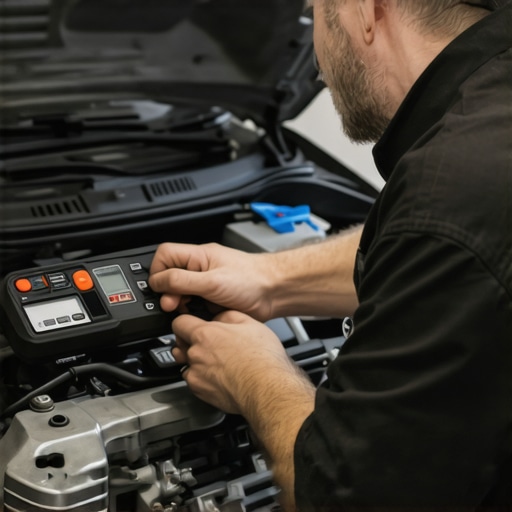
When it comes to maintaining your vehicle’s performance over the years, having the right tools is essential. Personally, I rely on a high-precision digital multimeter to monitor electrical systems. Why? Because it offers me quick, accurate readings of voltage and current, which are vital when diagnosing issues like dimming headlights or battery problems. I prefer a multimeter with auto-ranging capabilities and a hold function—features that save time and improve measurement accuracy during ongoing diagnostics.
For brake system checks, I use a dial indicator gauge to measure rotor run-out. This simple yet effective tool uncovers warping issues that might cause vibrations or uneven brake pad wear. Having owned several different models, I find that a sturdy, easy-to-read dial face allows me to perform quick assessments and decide whether components need replacing or resurfacing.
Software That Keeps Your Maintenance on Track
Beyond physical tools, advanced maintenance management software can be a game-changer. I personally trust systems like AutoEnginuity, which connect to your vehicle’s OBD-II port and provide real-time diagnostics, error code retrieval, and maintenance reminders. These tools empower me to identify potential issues early—saving money and preventing breakdowns. As vehicle electronics become more complex, integrating software diagnostics into your routine helps you stay ahead of potential failures, especially with vital systems like brakes and engine management.
Future-Proof Your Car Care Routine
Looking ahead, I predict onboard diagnostics will incorporate more AI-driven analytics. This evolution will enable even amateur car owners to perform preventive maintenance efficiently. For instance, some emerging apps can analyze data from your vehicle’s sensors to suggest the optimal timing for tune-ups or fluid replacements. Embracing these innovations now not only enhances your car’s longevity but also ensures safety and performance are maintained at the highest level.
How Do I Keep My Car Operating Smoothly Over Time?
Consistent maintenance hinges on routine inspections and using reputable tools. Beyond specialized equipment, I recommend adopting a systematic approach by following a future-aware maintenance plan that aligns with your vehicle model’s specific needs. Regular checks of vital components can mean the difference between a car that performs reliably for years and one riddled with costly issues. Do not hesitate to invest in quality diagnostics tools—they can reveal hidden problems like sensor failures, corroded grounds, or worn belts before they cause major damage.
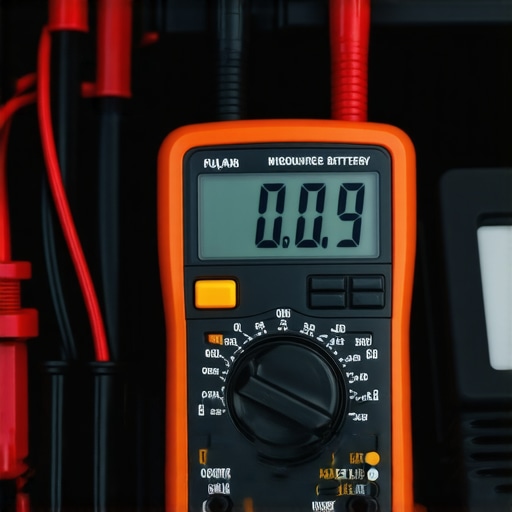
Take, for example, the process of checking your alternator’s health. Using a digital multimeter to monitor battery voltage during engine operation is simple but revealing. If you notice voltage readings below 13.8 volts, it might be time to explore professional diagnostics to confirm whether your alternator or voltage regulator needs attention—highlighted as a critical step by automotive experts in expert sources. Making this a regular habit can extend your vehicle’s lifespan significantly.
So, I challenge you to test your battery with a multimeter today—it’s a straightforward step that can prevent unexpected breakdowns and costly repairs down the line.
Proper maintenance doesn’t have to be guesswork—equipping yourself with the right tools and knowledge turns routine checkups into trusted safeguards for your vehicle. Ready to upgrade your toolkit? Consider investing in a quality multimeter or diagnostic software; these are investments that pay dividends in peace of mind and vehicle longevity.
What I Wish I Learned Before Relying on Quick Fixes
- One lesson that sticks with me is that complex electrical issues aren’t solved by simply replacing parts—diagnostics with reliable tools uncover the root cause, saving time and money.
- I underestimated the importance of ground connections; a simple rusted ground wire can cause flickering headlights, reminding me that connections matter more than I thought.
- Patience and thorough inspections are vital—rushing to replace an alternator or fuse without proper testing often repeats the problem, leading to more expenses down the line.
Tools and Resources That Truly Make a Difference
- A quality digital multimeter (like the Fluke models) is my go-to for quick, accurate voltage checks—trustworthy diagnostics start here.
- Referencing the ultimate car service guide gives me a roadmap to proactive maintenance that keeps electrical systems healthy.
- Software like AutoEnginuity helps me analyze potential faults early through OBD-II diagnostics, preventing those unexpected dimming headlights.
Light a Spark for Your Car’s Future
Remember, staying ahead in auto repair means embracing the right tools, trustworthy resources, and a curious mindset. Regular checks with high-quality diagnostics can turn small issues into long-term savings and safety. Would you test your battery today if it could prevent a roadside surprise? Now’s the perfect time to start—your car’s performance depends on it.