
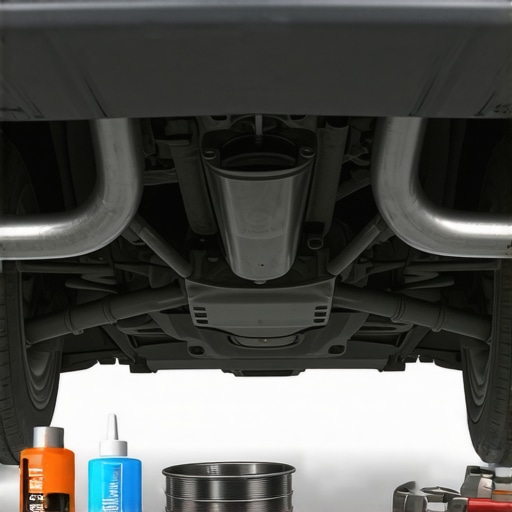
It was a Saturday afternoon when I realized everyone on my block was staring—and not because of my new grill. No, the real attention-getter was my car’s indecently loud muffler that had suddenly become a neighborhood nuisance. I had ignored that faint rattle for weeks, convincing myself it was just a minor noise, until one day, it sounded like I was driving a motorcycle with a malfunctioning exhaust. My first instinct? Panic. Replacing the entire pipe seemed like the only option, and honestly, I was ready to burn a hole in my wallet.
Why a No-Replace Solution Just Might Save Your Day (And Your Wallet)
If you’ve ever dealt with a loud muffler, you know how quick it is to become the embarrassing or even embarrassing. But here’s the thing: a full pipe replacement isn’t your only option—and often, it’s not even necessary. Trust me, I learned this the hard way early on. When I first researched muffler issues, I made the mistake of thinking that if my car sounded like an industrial drill, I needed a whole new exhaust system. Turns out, most loud mufflers are fixable with a few DIY tricks or simple repairs. Think of it like a stubborn clog in your sink—sometimes a quick fix is all that’s needed.
Now, I want to share what I discovered through my own trial and error, and what can help you save money and restore peace to your neighborhood without the headache of a major overhaul. But before we dive into the repair strategies, let’s address some common doubts.
Is Fixing a Muffler Yourself Really Worth It? A Common Skeptic’s Concern
I used to worry that trying to quiet my muffler might lead to more problems or that I’d end up making things worse. In fact, I once attempted to seal a tiny hole with duct tape—an epic fail that only made the noise worse! The mistake was thinking I could fool myself into thinking it was a permanent fix when the reality was that proper repair or replacement was needed. So, I get it—DIY can seem risky.
However, with the right tools and guidance, many muffler issues are straightforward to fix. Plus, avoiding unnecessary replacements is not just good for your wallet but also better for the environment. And if you’re nervous about causing more damage, I’ll guide you through safe, proven methods to get your muffler back to quiet operation.
Ready to stop the noise and save some money? Let’s walk through practical solutions that won’t have you breaking the bank or risking further damage. From simple patch jobs to minor adjustments, I’ll cover the best ways to quiet that beast. And here’s a little tip—sometimes, just a quick inspection can reveal surprising problems, like loose hanging parts or small holes, which are easy to fix if you know what to look for. For more detailed checklists, you might want to visit [this comprehensive guide](https://glassfixauto.com/stop-your-wiper-blades-from-streaking-with-this-2-minute-fix) that shares simple auto repairs you can often handle yourself.
Identify the Culprit Before You Fix
Start with a thorough inspection of your muffler. Look for visible holes, cracks, or hanging parts. Use a flashlight and a mirror if needed. Feel around for any loose or damaged areas. Remember, small leaks often cause loud noises—and spotting them early saves you money.
Prepare Your Workspace and Gather Necessary Tools
Park your car on a flat surface and ensure the engine is cool. Gather gloves, safety glasses, a jack, jack stands, a wrench set, a bungee cord or rope, and repair materials like exhaust cement or a patch kit. Thinking of using duct tape? Think again! It’s a temporary fix at best. For more reliable results, check out this comprehensive guide on auto repairs.
Remove Loose or Damaged Exhaust Parts
Use a wrench to detach any hanging brackets or clamps. Wiggle and gently tap sections of the muffler to free any rusted or stuck parts. If parts are severely corroded, consider replacing them or using a patch. Remember, a loose muffler rattles loudly—securing it properly is crucial.
Seal Small Holes and Cracks Effectively
For tiny leaks, exhaust cement or high-temperature epoxy works wonders. Clean and dry the area thoroughly before application. Apply the compound generously over small holes. For larger tears or rusted-through sections, a metal patch or muffler repair kit can be more durable.
Use Temporary Patch Kits for Large Damage
If the damage is extensive, you can temporarily patch it with a muffler repair wrap or a steel patch with high-temperature adhesive. Wrap the patch around the damaged section, ensuring a tight fit. Remember, these are temporary solutions—plan to replace the muffler if damage persists.
Reattach and Secure All Components
Once patched, reattach any brackets or clamps you removed earlier. Tighten all bolts securely but avoid over-tightening, which can cause further damage (this guide explains why proper torque matters). Double-check that the muffler is stable and no longer rattles or leaks.
Test Drive and Confirm Results
Start your vehicle and listen carefully. If the noise diminishes, you’ve succeeded! If not, revisit the damage points, or consider more advanced fixes. Remember, sealing leaks stops noise and keeps your car running efficiently.
Know When to Seek Professional Help
While DIY fixes can save you money, some issues require expert intervention. If the muffler has rusted through or is severely damaged beyond simple patching, a complete replacement might be best. Explore this check engine light guide to understand when your car needs professional service.
Many drivers believe that auto repair and regular maintenance are straightforward, quick fixes, but let’s dig deeper into some common misconceptions that can lead to costly mistakes. One prevalent myth is that all auto repairs require replacing parts entirely, such as swapping out the entire muffler or transmission. In reality, many issues are fixable with targeted repairs, saving you time and money. For example, minor exhaust leaks can often be sealed with high-temperature epoxy or patches, rather than full replacements. Overlooking nuances like these can result in unnecessary expenses and extended vehicle downtime. A common trap is assuming that a “tune-up” involves only changing spark plugs; however, in advanced engines, diagnostics might reveal hidden problems like worn intake valves or sensor issues—areas where expert inspection is crucial.
Have you ever fallen into this trap? Let me know in the comments.
Why do some auto repairs seem to persist even after multiple visits?
This often occurs because repairs focus on symptomatic fixes rather than addressing the root cause. For instance, replacing brake pads without inspecting rotors or calipers might temporarily resolve noise issues, but the problem can reoccur if underlying issues aren’t resolved. Advanced diagnostics can identify such hidden causes, preventing repeated visits and ensuring longevity. Experts emphasize the importance of thorough inspections—sometimes, a simple visual check can reveal complex problems like uneven tire wear indicating suspension issues. Recognizing these nuances ensures that repairs are effective and long-lasting. Studies indicate that neglecting detailed diagnostics can double repair costs over time, as unresolved issues cause other components to deteriorate faster.
Be cautious of quick fixes; investing in a comprehensive inspection often saves more in the long run. For example, paying attention to subtle steering vibrations might reveal misaligned suspension components, which you can learn about in [this guide](https://glassfixauto.com/why-your-steering-wheel-feels-loose-around-corners).

The importance lies in understanding that auto maintenance isn’t just about components but understanding how different systems interplay. For example, a loose steering wheel might be linked to worn ball joints or unbalanced tires—addressing these early prevents costly repairs later. Regularly seeking expert opinion helps prevent small issues from snowballing. For more insights, explore this comprehensive post on diagnosing steering issues.
Recognizing these subtle nuances distinguishes an amateur fix from an expert repair, ensuring your vehicle remains reliable and safe. So, next time you notice an odd vibration or noise, consider all potential underlying causes rather than just the obvious symptoms.Maintaining your vehicle over the long term requires precision, the right tools, and a good understanding of effective methods. As someone who has been entrenching myself in auto repair, I’ve developed a toolkit that combines reliability with practicality, allowing me to handle most tune-ups, brake services, and minor repairs without frequent visits to the mechanic. Let’s explore the specific tools I recommend and how they can empower you to keep your car in optimal condition.
First and foremost, a quality **diagnostic scan tool** is indispensable. Modern vehicles are packed with sensors and electronic components that communicate via the OBD-II system. I personally rely on the **BlueDriver Bluetooth Pro OBDII Scanner** because of its comprehensive diagnostic capabilities and user-friendly app interface. It allows me to easily read and clear trouble codes, monitor live data, and even access manufacturer-specific information. This tool is a game-changer for early problem detection, saving you from costly repairs. Learning to interpret these codes is simple with online resources, but I also recommend reading this guide on clearing engine lights.
For routine maintenance, having a **quality socket set** is critical. I prefer a **matte finish chrome-plated set** because it resists rust and provides a firm grip. When working on brakes or changing oil filters, a **detailed socket set with extensions and ratchets** ensures I can access tight spots. Pair this with a **torque wrench**—I use a **Click-Torque** model calibrated for precision—to tighten bolts to manufacturer specifications. Over-torquing can cause issues like warped rotors or stripped threads, so properly calibrated tools make all the difference.
When replacing parts like oil filters or stubborn components, a **stubborn oil filter removal tool** becomes invaluable. I always keep a **filter wrench with removable rubber strap**; it grips tightly without damaging the housing. For especially challenging filters, I consult this step-by-step guide that demonstrates safe and effective removal techniques.
Proper lighting is often overlooked but essential. A **portable LED work light with adjustable brightness** helps me inspect hard-to-see areas such as the undercarriage or engine bay. Bright, focused light prevents mistakes and ensures quality repairs.
Lastly, I can’t stress enough the importance of **cleaning and lubricating** during maintenance. For instance, a dedicated **high-temperature brake lubricant** applied to caliper slides prevents uneven wear and squealing. Regularly cleaning dirt and debris from vital components prolongs their lifespan.
Looking ahead, the trend in auto maintenance is shifting even further towards **smart diagnostics, automation, and eco-friendly repairs**. Devices that sync with your smartphone will become more advanced, allowing real-time monitoring and predictive maintenance alerts—think of it as having a mechanic in your pocket.
**How do I maintain my vehicle over time?** Beyond tools, regular inspection routines—checking tire wear, fluid levels, and brake pad thickness—are crucial. Scheduling proactive services like fluid flushes and belt replacements, guided by manufacturer intervals, can prevent unexpected breakdowns. For example, following advice from experts, I inspect my transmission fluid every 30,000 miles to avoid costly repairs later.
If you’re ready to upskill, I recommend trying out a diagnostic scan on your vehicle. It’s simple, insightful, and can catch issues before they escalate. Remember, the key to keeping your car running smoothly isn’t just about quick fixes but systematic, well-informed maintenance. Empower yourself with the right tools, and you’ll enjoy a safer, more reliable ride for years to come.
When Breaking the Rules Saved My Car and Wallet
One of the biggest lessons I learned in auto repair is that not every problem demands a costly, full replacement. Sometimes, a simple patch or minor fix can restore your vehicle’s peace and save you hundreds. That realization came from countless hours tinkering and troubleshooting my loud muffler, which initially seemed beyond repair. Now, I see those small issues as opportunities to learn—each crack and hole revealing a chance to innovate, rather than just replace.
Tools and Tips No One Tells You About
If you want to tackle muffler problems yourself, investing in the right tools—like a quality high-temperature epoxy or a reliable repair wrap—can make all the difference. For stubborn leaks, this trick with a steel patch saved me more than once. Additionally, always remember: safety gear and patience are your best friends during these repairs. Don’t rush; a careful, methodical approach ensures better results and lasting fixes.
Beyond the Garage: When to Seek Help and Why
While DIY fixes are satisfying, recognizing when a problem is beyond your skill set is crucial. Signs like extensive rust, large holes, or persistent rattling indicate it’s time for professional intervention. Don’t let pride or fear of costs prevent you from consulting experts—sometimes, their diagnosis can prevent a small crack from turning into a costly engine overhaul. Regular inspections and listening carefully to your vehicle’s sounds keep DIY at bay and your car in top shape.
Insider Wisdom for Saving Money and Maintaining Peace
- Plan ahead: Catch small muffler issues early with routine inspections – a quick visual check can spot rust or loose clamps before they become noisy and expensive.
- Learn basics: Simple fixes like sealing small leaks with high-temperature epoxy can extend the life of your muffler without a full replacement.
- Don’t overlook the details: Tighten those clamps properly—over-tightening can cause cracks, while under-tightening leads to rattles and leaks. Check out this guide on torque for that.
- Know your limits: If rust has overtaken your muffler or the damage affects engine performance, consult a professional before attempting repairs that could backfire.
Turning Knowledge into Confidence
I never thought a noisy muffler could teach me so much about patience, creativity, and cautious optimism. Each small fix has increased my confidence and prolonged my vehicle’s lifespan. The auto repair process, when approached the right way, can be a deeply satisfying blend of science, intuition, and resourcefulness. So, next time your car starts to mimic a motorcycle, remember—sometimes, the simplest patch can quiet the chaos and save your day.
Share Your Fixes or Dilemmas
Have you ever tried fixing a muffler or another auto component yourself? What worked, and what didn’t? Drop your stories or questions below—I’d love to hear how you tackle these common issues without breaking the bank!