
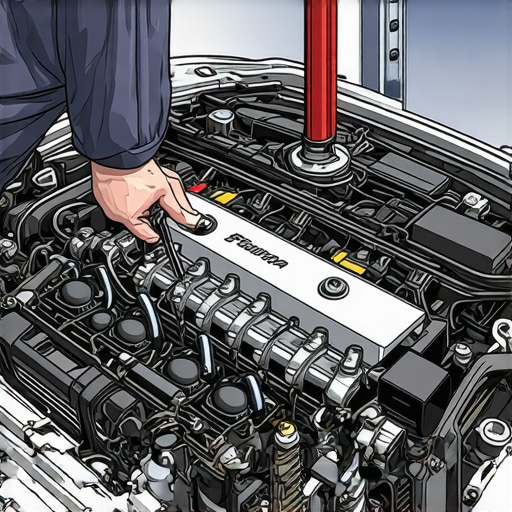
Imagine revving up your engine for a quick trip, only to hear a shaky cough and a rough idling that makes you dread the worst. That sinking feeling, like your car might just leave you stranded, becomes all too real when your ignition coil isn’t working properly. But here’s the thing—throwing your car into the shop at the first hiccup can be costly and unnecessary. I’ve been in that spot myself, poking around under the hood, trying to figure out if that annoying misfire is something simple I can handle myself or if I need to fork over for a mechanic.
Why Ignition Coils Matter More Than You Think
A good ignition coil is the unsung hero of the ignition system, responsible for providing the spark that ignites your fuel-air mixture. When it’s failing, your engine’s performance drops—rough idling, decreased fuel efficiency, or even stalling. And the kicker? You don’t always need a fancy scanner or a mechanic’s diagnostic tool to tell if your coil’s on its way out. Trust me, personal experience taught me that a little knowledge goes a long way in saving time and money.
Is It Worth the Effort or Just a Waste of Time?
Early on, I made the mistake of waiting until my engine sputtered completely to check my ignition coils. The truth? You can often identify a bad coil with simple tests before the car starts acting up badly. And doing so not only saves you money but also prevents unexpected breakdowns. According to automotive experts, many ignition coil failures are detectable through basic visual cues or performance issues, making a scanner unnecessary in these initial stages. Want to learn how to do that? Stay tuned—I’ll walk you through the practical steps you can take today to spot a faulty ignition coil with your own eyes and ears.
Start With Visual Inspection
Begin by opening your hood and locating the ignition coils—usually, they sit atop each spark plug, covered by a plastic or rubber boot. Check for obvious signs of damage like cracks, corrosion, or burn marks. During my own routine check, I noticed a crack in one coil’s boot, which was an immediate red flag. Replacing or repairing a visibly damaged coil can often solve misfire issues without a trip to the mechanic.
Perform a Spark Test for Immediate Clues
This simple test helps determine if a coil is producing a spark. Turn off your engine, disconnect the coil’s electrical connector, and remove the spark plug from the cylinder. Reattach the coil to the spark plug and plug it back into the ignition system. Wearing safety gloves, have a friend crank the engine while you watch the spark gap. A healthy coil produces a bright, blue spark. A weak or yellow spark indicates trouble. This method is similar to testing a flashlight bulb—if it barely glows, it’s likely faulty.
Use a Multimeter to Measure Resistance
If visual and spark tests point to a potential issue, a multimeter can provide definitive data. Set your multimeter to the ohm (Ω) setting. Disconnect the coil’s electrical connector, and connect the multimeter leads to the coil’s terminals—consult your vehicle’s manual for exact pin locations. Compare the readings to the manufacturer’s specifications; typically, primary coil resistance ranges from 0.4 to 2 ohms, and secondary resistance from 6,000 to 15,000 ohms. If your readings are outside these ranges, replacing the coil is recommended. I once tested a coil in my driveway and found resistance readings way off, saving myself an unnecessary engine misfire during a road trip.
Test the Coil Under Operating Conditions with a Noid Light
This advanced step involves plugging in a noid light to the coil’s electrical connector and having a friend turn the ignition key to the Many car owners believe that sticking to basic maintenance routines is enough, but the real nuance lies in understanding what most overlook or get wrong. For instance, a widespread myth is that all brakes serve the same purpose, leading many to ignore specific issues like uneven wear or subtle squeals, which could indicate caliper sticking or rotor problems. Addressing these early signs can prevent costly repairs down the line, as explained in the detailed brake service guides [here](https://glassfixauto.com/brake-service-myths-what-you-need-to-know-before-your-next-stop).
One advanced mistake often made involves neglecting the importance of fluid quality, especially brake fluid. Many think simply topping it up suffices, but mixing different types or ignoring dark, contaminated fluid can cause system failure. Regularly flushing brake fluid according to manufacturer specifications significantly boosts safety and longevity, a critical insight covered in expert articles.
So, why do such misconceptions persist, and how can you avoid falling into these traps? Insightful research suggests that many drivers underestimate the complexity of vehicle systems, assuming quick fixes are enough when, in fact, nuanced understanding and regular professional checkups make all the difference [here](https://glassfixauto.com/the-ultimate-car-service-guide-when-and-why-to-schedule-maintenance).
What’s the risk of ignoring minor symptoms in auto repair?
Ignoring minor signs like a slight vibration or a whispering noise can escalate into major repairs, costing more and risking safety. Advanced diagnostics and routine inspections are your best defense against such pitfalls, ensuring your vehicle remains reliable and efficient. Recent studies affirm that early intervention reduces long-term expenses and extends vehicle lifespan. For a comprehensive approach, explore my recommended strategies for maximizing your car’s lifespan [here](https://glassfixauto.com/maximize-your-cars-lifespan-with-expert-tune-up-strategies).
Remember, car maintenance isn’t just about reacting to problems—it’s about understanding the subtle cues and correcting issues before they become emergencies. Have you ever fallen into this trap? Let me know in the comments.
Tools I Trust for Long-Term Auto Care
When it comes to maintaining your vehicle, having the right equipment can make all the difference. I personally swear by a high-quality digital multimeter, which allows me to measure resistance in ignition coils accurately and diagnose potential issues before they turn into costly repairs. Additionally, a dedicated spark tester helps me assess ignition performance safely and efficiently, providing immediate visual cues about coil health. For fluid checks, a good set of precision screwdrivers and a flashlight ensure I can access tight spots and spot leaks or corrosion early.
Why Stick With Reliable Equipment
Investing in durable, accurate tools extends their lifespan and improves diagnostic confidence. For instance, a multimeter with auto-ranging features simplifies resistance measurements, reducing the chance of user error. As vehicle systems become more complex, having reliable diagnostic gadgets is likely to become even more critical, especially with the rise of integrated sensor networks and advanced engine management modules. Future trends suggest that Bluetooth-enabled diagnostic tools will integrate seamlessly with smartphone apps, giving us real-time insights even from a driveway or parking lot — a development I find particularly exciting.
Automate Your Maintenance Routine
Another strategy I rely on is setting periodic maintenance reminders using software like MyCarTracks or dedicated calendar apps. Staying ahead of scheduled tasks like spark plug replacements or fluid flushes can prevent unexpected breakdowns. I also use a magnetic oil drain plug holder to keep track of oil changes visually, ensuring I don’t forget important steps. These small but crucial additions make managing long-term care more manageable and less stressful.
How do I maintain auto systems over time?
Consistent routine inspections and minor repairs are key. For example, regularly checking tire tread depth and replacing worn brake pads before they squeal or cause damage can save hundreds in repair costs. To stay ahead, I follow blogs and official guides like Tune-Up Your Car for Peak Performance which detail what to monitor each season. As vehicles incorporate more smart features, embracing diagnostic software on your smartphone or tablet keeps you informed and ready to act. Moving forward, I predict that automotive tools will become increasingly integrated with AI diagnostics, making maintenance even more proactive.
What steps can you take today to keep your car running smoothly?
Start by testing your ignition coils with a simple spark tester. It’s an easy, cost-effective step that can catch potential issues early. Remember, staying proactive means fewer surprises on the road and more money saved. If you’re interested in exploring how regular tune-ups improve not only your engine’s performance but also fuel efficiency and safety, check out How Regular Tune-Ups Improve Your Car’s Performance. Don’t hesitate — a small investment in the right tools today could save you a lot of trouble tomorrow.
Lessons That Changed My Approach to Auto Maintenance
- Never underestimate the power of visual inspections—something as simple as cracks or corrosion can save you from costly repairs later. Personal experience taught me that catching a damaged ignition coil early keeps my engine running smoothly.
- Testing sparks with a flashlight isn’t just for beginners—it’s a quick way to differentiate a healthy coil from a faulty one. Bright, blue sparks mean good performance, while dull or yellow sparks signal trouble.
- Using a multimeter is like giving your car a health check-up—when resistance readings fall outside manufacturer specs, it’s a clear sign to replace the coil and prevent breakdowns on the road.
- Advanced tests like the noid light are invaluable but often overlooked; they let me see if the coil receives proper signals, ensuring ignition systems are firing correctly before any symptoms show up.
- Regular maintenance routines and quality tools aren’t just chores—they’re investments. High-quality multimeters and spark testers have made diagnosing issues faster and more accurate in my garage.
Tools That Keep My Car on Track
- Digital Multimeter with Auto-Ranging Capabilities: This tool ensures precise resistance measurements, helping me quickly identify failing coils without guesswork.
- Reliable Spark Tester: A bright, blue spark tells me my ignition system is healthy, giving confidence before hitting the road.
- Comprehensive Car Service Kit: From screwdrivers to flashlights, I trust quality tools to access tight spots and spot corrosion early, preventing escalation.
- Diagnostic Apps and Software: Embracing smart technology, these resources keep me informed about my vehicle’s health, aligning with future trends of AI-integrated diagnostics.
Ignition Wisdom That Protects Your Drive
Taking proactive steps with your ignition coils isn’t just about avoiding discomfort; it’s a strategic move to extend your vehicle’s lifespan and save money. Remember, early detection through simple tests, visual inspections, and quality tools makes all the difference. Inspired by my experience, I encourage you to incorporate these practices into your routine today. Regular checkups and awareness can prevent those dreaded breakdowns, giving you peace of mind on every journey.
What’s Your Next Move in Auto Care?
Have you ever caught a potential ignition issue early with these simple checks? Share your experiences or ask questions below—your next smooth ride could depend on it!