
It was a chilly morning, and as I started my car, the engine sputtered ominously. That sudden hesitation sent a jolt of panic through me—what if my engine conked out completely in the middle of a busy intersection? It dawned on me then: Ignition coils, those small but vital components, can quietly fail without warning, leaving you stranded when you least expect it.
Why paying attention to your ignition coil health can save you from unexpected breakdowns
Many car owners overlook the importance of their ignition system until the dreaded misfire strikes. An ignition coil essentially transforms the battery’s voltage into a high-voltage spark needed to ignite the fuel-air mixture in your engine cylinders. When one begins to fail, it doesn’t always do so with a bang—sometimes, it manifests gradually, causing poor engine performance and increased fuel consumption. Recognizing the early warning signs can make all the difference in preventing costly repairs and dangerous roadside failures.
Have you ever experienced your engine stutter and jerk during a drive, only to attribute it to temporary roughness? You’re not alone. Early signs of ignition coil failure are subtle and often dismissed as minor issues. However, ignoring these clues can lead to complete engine failure, a situation no driver wants. Early detection allows you to address the problem promptly, saving you money and the inconvenience of breakdowns.
According to recent studies, about 33% of misfires are caused by faulty ignition coils, not necessarily due to worn spark plugs or other ignition system parts. Recognizing the signs early can extend the lifespan of your engine and improve your vehicle’s efficiency.
One common mistake I made early on was only replacing spark plugs when I noticed hesitation, assuming they were the sole culprits. However, neglecting the coils can mean the problem persists even after spark plug replacement. For a comprehensive approach, it’s crucial to assess the entire ignition system, not just the visible components.
In the sections ahead, I’ll guide you through practical steps to identify the early signs of a failing ignition coil and how to test them effectively, so you’re never caught off guard by a sudden engine misfire.
Prepare Your Vehicle for Inspection
Before diving into testing, ensure your car is parked on a level surface with the parking brake engaged. Turn off the engine, open the hood, and locate the ignition coils—usually found overhead on the engine, connected directly to the spark plugs.
Gather Essential Tools and Safety Gear
You’ll need a multimeter set to the high-voltage or ohms setting, safety gloves, and eye protection. Using these safeguards prevents accidental shocks and ensures accurate readings.
Visual Inspection of Ignition Coils
Disconnect the negative terminal of your battery to avoid electrical shorts. Inspect the coils for cracks, burns, or corrosion. If you see any visible damage, replacement is necessary. Also check for loose or damaged wiring connections.
Performing Resistance Tests
Identify the coil’s primary and secondary terminals using your vehicle’s service manual for reference. Attach multimeter leads: one to the primary terminal and the other to ground, then check resistance. Repeat for the secondary circuit, connecting to the high-voltage terminal. Compare readings to manufacturer specifications. Elevated or very low resistance indicates a failing coil.
Micro-Story of a Testing Experience
Once, during a routine check, I found my engine misfiring intermittently. Testing the coils revealed one with resistance out of spec—so I replaced it, which immediately restored smooth operation. The process was straightforward but critical for diagnosing hidden issues.
Identify Signs of a Failing Coil During Operation
If your engine experiences misfires, rough idling, or decreased fuel efficiency, it may be due to coil failure. You can perform a simple spark test by removing a spark plug, reconnecting it to its wire, grounding it to the engine, and observing if the spark is weak or absent. Be cautious and wear gloves during this test.
Replacing Faulty Ignition Coils
When a coil tests bad or shows physical damage, replace it with a new one compatible with your vehicle. Remove the old coil by disconnecting its wiring and unscrewing it from its mount. Install the new coil in reverse order, ensuring tight connections. Reconnect the battery and start the engine—listen for smooth operation without misfires.
Confirm the Fix with a Test Drive
Take your car for a short drive, paying attention to engine response. If misfires or rough running persist, re-evaluate your work or consider consulting a professional. Regularly inspecting your ignition system can prevent unexpected breakdowns.
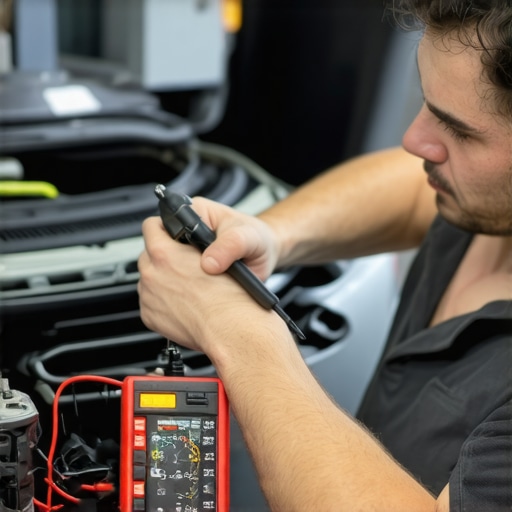 Many car owners operate under assumptions that can lead to costly mistakes, especially when it comes to brake maintenance and auto repairs. One widespread myth is that replacing certain parts, like brake pads, always solves the problem of squealing noise. In reality, issues like grinding sounds after a rainy night may be related to moisture accumulation rather than pad wear, and proper inspection is essential. Believing that a quick brake fluid flush is unnecessary or overhyped can be dangerous; mixing different types of brake fluid, for example, can cause corrosion and damage your braking system if not properly managed, as explained in [this detailed guide](https://glassfixauto.com/the-danger-of-mixing-different-types-of-brake-fluid).Maintaining your vehicle’s performance requires more than just basic check-ups; it involves investing in reliable tools and adopting effective methods that stand the test of time. One essential piece of equipment I personally rely on is a high-quality digital multimeter. I’ve found that a multimeter with auto-ranging capabilities and a reliable display makes diagnosing electrical issues, like ignition coil problems, faster and more accurate. For example, when testing resistance in coils, precise readings within manufacturer specifications can help prevent unnecessary replacements, saving both time and money. Additionally, a set of silicone vacuum caps and an engine vacuum tester can assist in diagnosing leaks that contribute to rough running or misfires, especially when dealing with ignition or fueling issues.
For software management, I recommend using diagnostic scan tools that can interface with your vehicle’s ECU through OBD-II ports. Devices like the BlueDriver Bluetooth scanner connect seamlessly with smartphones, providing real-time data and readiness monitors, which are invaluable during long-term maintenance routines. This approach allows proactive detection of emerging issues, like failing sensors or pending engine flush needs, before they become costly repairs.
Looking ahead, the trend in auto maintenance seems to be moving toward more integrated, cloud-based diagnostic solutions combined with AI-driven predictive analytics. These innovations promise even greater accuracy in anticipatory repairs, reducing vehicle downtime and enhancing safety.
How do I keep my car in top shape for the long haul?
Regularly scheduled inspections with precise tools enable you to catch problems early. For instance, performing a detailed visual inspection combined with resistance tests on ignition coils can prevent unexpected breakdowns. Additionally, staying on top of software updates for your vehicle’s ECU and diagnostic tools ensures compatibility with new vehicle models and features. For example, understanding the importance of a professional-grade [engine flush](https://glassfixauto.com/the-honest-way-to-know-if-you-really-need-an-engine-flush) can dramatically prolong the engine’s lifespan.
Don’t hesitate to try out a comprehensive multimeter or an advanced scan tool today—these investments can pay off by keeping your vehicle running smoothly year after year. Remember, consistent maintenance isn’t just about fixing problems after they happen; it’s about staying ahead of them with precision tools and methods that work. For a detailed guide on how to seamlessly integrate these tools into your routine, visit our previous post on [diagnosing engine issues](https://glassfixauto.com/how-to-tell-if-your-mechanic-actually-replaced-the-spark-plugs) and start building your troubleshooting skillset now.
Lessons from My Own Engine Mishaps
One of the most valuable lessons I learned was never to overlook small warning signs like rough idling or occasional misfires. These could be telling you something much deeper about your ignition system, especially the coils. Ignition coils can fail quietly, and I realized that regular inspection and testing are essential to prevent getting stranded on a busy road or facing costly repairs.
Another insight was the importance of a comprehensive diagnosis. Swapping spark plugs alone often isn’t enough; inspecting the coils can reveal issues that would otherwise go unnoticed until failure. Investing in a quality multimeter and learning how to interpret resistance readings has empowered me to catch problems early and save money.
Finally, I learned that proactive maintenance beats reactive fixes. Following a routine testing schedule and staying attentive to subtle engine behaviors has kept my vehicle running smoothly. Don’t wait until your engine sputters—addressing issues early makes all the difference in keeping your auto repair costs down and your journeys safe.
Tools and Resources That Have Changed My Approach
- Digital Multimeter with Auto-Ranging: Reliable and easy to use, it has been indispensable for resistance checks and diagnosing coil health. I trust brands like Fluke for accuracy and durability.
- OBD-II Diagnostic Scanners: Devices like BlueDriver connect seamlessly with my smartphone, providing instant error codes and aiding in preventive maintenance. They’re a must-have for modern vehicle care.
- Service Manuals and Guides: Official factory manuals, available online, help me understand specific testing procedures and resistance ranges for different car models, ensuring I don’t miss critical details.
- Online Communities and Forums: Platforms like automotive-specific forums have been invaluable for sharing experiences, troubleshooting tips, and learning from fellow enthusiasts.
Your Next Step Toward Confident Car Care
Knowing the ins and outs of ignition coil maintenance empowers you to take control of your vehicle’s health. Regular testing, attentive observation, and using reliable tools make all the difference. Remember, your car’s reliability depends on the care you invest today. Why not start building those diagnostic skills now? Staying ahead means safer drives and fewer surprises on the road.
Have you ever tested an ignition coil or tried diagnosing engine misfires yourself? Share your experiences or questions below—I’d love to hear how you’re keeping your car in top shape!