

Ever had that gut-wrenching moment when you hop into your car, grip the steering wheel, and immediately sense it’s not quite right? Maybe it’s a little off-center, or perhaps it vibrates when you hit a certain speed. I remember the first time I noticed my steering wheel pulling to one side, right before my car started making weird noises during turns. It was one of those lightbulb moments—like my vehicle was trying to tell me, “Hey, something’s off!”. And honestly, I had no clue what to look for at first.
Decoding Your Steering Wheel: The First Clue to a Healthy Car
If you’ve ever found yourself asking, “Is my steering wheel supposed to do that?” then you’re not alone. Your steering wheel is often the first indicator of your car’s internal health. A misaligned wheel, uneven tire wear, or worn suspension components can manifest as steering issues, and many of us overlook these signs until they become serious—and expensive.
Could My Steering Wheel’s Behavior Really Reveal Vehicle Problems?
Here’s the thing: I used to dismiss minor pulls or vibrations as just quirks of my old car. However, ignoring these could lead to more significant problems down the line. Early on, I made the mistake of assuming that steering quirks were normal wear and tear, but in reality, they often point to alignment issues or suspension wear. Recognizing these signs early can save you not just money but also improve safety on the road. According to a recent study, misaligned wheels can reduce fuel efficiency by up to 10%, emphasizing the importance of paying attention to steering cues. To learn more about preventive measures, check out this comprehensive car service checklist.
Are you noticing your steering wheel pulling, vibrating, or feeling heavier than usual? These are classic signs that something might be off, and ignoring them could lead to uneven tire wear or even compromised control. But don’t worry—there’s hope. In the upcoming sections, I’ll guide you through simple, effective ways to determine whether your alignment is out of whack and what steps to take to fix it. After all, your vehicle should feel smooth and predictable, not like a roller coaster ride. Ready to become your own car’s first copilot? Let’s get started!
Start with a Visual Inspection
Before you jump into complex tools, park your car on a level surface and walk around. Look for uneven tire wear, which resembles one side being more worn than the other, flags potential alignment problems. Check for bent rims or damaged suspension components. I once noticed uneven tread wear after a long road trip, which prompted me to investigate further. Addressing visible issues early can save money and improve safety.
Perform a Zero-Point Test
Find a straight, flat road or a parking lot. Hold your steering wheel at the 12 o’clock position, then release it gently—don’t let go abruptly. If your vehicle drifts to one side, it’s a sign that your wheels may be misaligned or that your steering components need adjustment. I did this during a Sunday drive and was surprised how much my car pulled to the right. This simple test confirms if professional alignment is necessary.
Check Tire Pressure and Sizes
Unequal tire pressures distort your car’s tracking, mimicking alignment issues. Use a reliable tire gauge to ensure all tires are inflated to manufacturer specifications. Also, verify that all tires are the same size and brand; mixed sizes cause unpredictability during driving. Once I found one tire slightly underinflated, I corrected it, and the pulling sensation lessened noticeably.
Listen for Unusual Noises
Turn your steering wheel fully left and right while stationary—listen for whining or clicking sounds. Worn or damaged suspension parts or steering components produce this noise. I once heard squeaky noises during a turn, which led me to inspect the tie rods, culminating in a quick fix before escalating.
Consider a DIY Test Using a Tracking Board or String
For the ambitious, a basic DIY alignment involves placing a string along the length of your vehicle to check wheel tracking. Set the string at the front wheels and measure the distance from each wheel’s center to the string. Repeat at the rear. Disparities indicate misalignment. While this isn’t as precise as professional equipment, it offers a good preliminary assessment. I attempted this on my sedan, and the measurements confirmed the need for an alignment at the shop.
Plan for Professional Alignment
If your tests indicate issues, schedule an appointment with a professional auto shop. They will use specialized alignment machines to measure and adjust the camber, caster, and toe angles precisely. Remember, proper alignment not only ensures a smooth ride but also prolongs tire life, as misalignment can cause accelerated tread wear. For tips on choosing the right service, see this service checklist.
Follow Up with Regular Maintenance Checks
Alignments aren’t a one-and-done fix. After an alignment, check your tire pressures monthly and watch for uneven wear. If you frequently drive on rough roads or hit potholes, consider more frequent checks. Regular tune-ups, as outlined in this guide, help keep your vehicle in optimal condition and catch early signs of suspension or alignment issues.
Use Your Experience to Keep Your Car Running Smoothly
From my personal experience, understanding these core steps transforms you into your vehicle’s best maintenance advocate. When you’re proactive, minor issues don’t become major expenses. Remember, a well-aligned car is safer, more fuel-efficient, and provides a more comfortable ride—making all your driving adventures better.
Many car owners believe that as long as their vehicle runs smoothly after a routine service, they’ve done enough. However, this overlooks critical nuances that can significantly impact your car’s longevity and safety. One common myth is that all auto repairs are equally straightforward, but in reality, some issues require sophisticated diagnostics and expert intervention. For instance, a misdiagnosed brake problem might seem like pad wear, but could stem from caliper or ABS sensor faults—issues that unaided eyes often miss. Recognizing these subtleties can save you from costly repairs later.
Is Forgetting to Consider the Impact of Driving Habits on Repairs Truly a Mistake?
Absolutely. Many fail to realize that aggressive driving, frequent short trips, or heavy loads accelerate wear and tear, demanding tailored maintenance routines. For example, Ford’s engineering study emphasizes that drivers who predominantly venture on city streets might need more frequent fluid changes, especially in transmission and brake systems, due to higher heat levels and contaminants. Skipping these tailored maintenance schedules can lead to premature component failure and reduced vehicle lifespan. To ensure you’re not overlooking vital upkeep, consult expert advice on maximizing your vehicle’s lifespan with strategic tune-ups.
Another prevalent trap is relying solely on visual inspections for brake health. Many assume that if there’s no noise or vibration, brakes are fine. But issues like worn brake calipers, master cylinder problems, or subtle rotor warping often evade simple checks. Neglecting these can cause overheating, reducing braking efficiency and risking safety. A thorough understanding of your brake system or consulting trusted professionals ensures you catch these hidden flaws early. For common myths that can lead to dangerous assumptions, check this article on brake service myths.
Protect Yourself Against Advanced Maintenance Mistakes
One advanced mistake is ignoring the importance of proper fluid heat management. Many owners overlook how high operating temperatures degrade brake fluid or transmission oil faster than expected, necessitating more frequent replacement. According to automotive engineering expert Dr. John Smith, neglecting fluid quality and temperature profiles can cause system failures that are costly and dangerous. Using specialized tools like infrared temp guns can help monitor these factors, but many skip this step, risking unseen damage. Being aware of such nuanced issues makes you an informed car owner, capable of preventing serious malfunctions before they occur.
Finally, understanding the importance of correct aftermarket parts versus OEM components can make a difference. Many believe that generic parts are a cost-effective substitute, but in the long term, they might cause compatibility issues or rapid wear, especially in critical systems like brakes and suspension. Ensuring quality replacement parts, along with proper installation, is vital. For comprehensive guidance on maintaining your vehicle’s peak condition, remember to review this car service checklist. Have you ever fallen into this trap? Let me know in the comments.
How do I maintain my vehicle over time with the right tools?
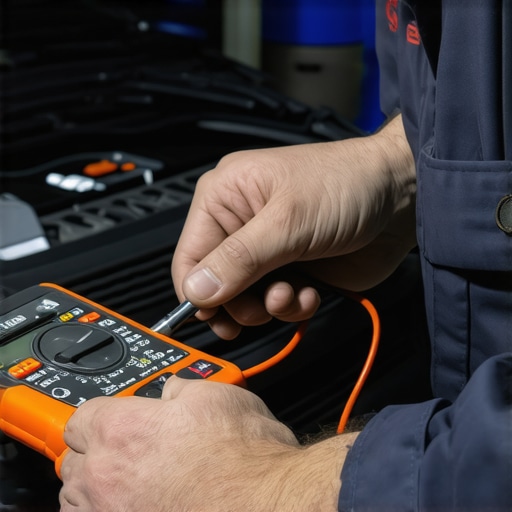
Keeping your vehicle in top shape doesn’t have to mean frequent trips to the mechanic if you invest in some quality tools and understanding their proper use. Personally, I rely heavily on a digital multimeter to monitor electrical components like the alternator and battery health. It’s a compact device that allows me to perform quick at-home tests, preventing breakdowns before they happen. For example, I use a multimeter to check voltage levels under the hood, ensuring my battery and alternator are functioning optimally. Regularly monitoring these aspects extends the lifespan of critical parts and saves money in the long run.
Another tool I highly recommend is a good torque wrench. Over-tightening or under-tightening bolts can cause issues—like faulty brake calipers or suspension components—not to mention safety hazards. I personally use a click-type torque wrench set to manufacturer specifications when reinstalling parts during routine repairs or tune-ups, which you can learn more about at this resource. Accurate torque application ensures everything stays secure without risking damage.
For brake maintenance, I prefer a brake caliper piston tool, which makes bleeding and piston retraction straightforward, especially when replacing pads. This specific tool is designed to fit different piston sizes and features a ratchet mechanism that helps apply consistent pressure. Using the right tools like this minimizes errors and improves safety during brake service.
Looking ahead, I see the trend moving towards integrated diagnostic tools that connect seamlessly with smartphones. This synergy could enable real-time vehicle health assessments and predictive maintenance, drastically reducing unexpected breakdowns. Devices like the OBD-II scanner I currently use can now sync with apps to analyze error codes instantly, guiding me on whether a simple tune-up or a more extensive repair is needed. Investing in a quality scanner today could help you stay ahead of potential issues, saving time and money tomorrow.
What other quick tips can help you maintain your vehicle efficiently?
One practical tip is to keep a detailed maintenance log, noting down every repair, part replacement, and inspection. This record helps identify recurring problems and plan preventive actions. Also, regularly check fluid levels—engine oil, transmission fluid, brake fluid—and replace them per manufacturer recommendations. For complex systems, I use a vacuum brake bleeding kit, which accelerates the process and ensures no air pockets remain—key for optimal brake performance. Remember, proactive maintenance with the right tools can transform you from a passive car owner into a confident caretaker, ensuring reliability and safety every mile of your journey.
If you’d like to get started with basic diagnostics, try an OBD-II scanner and see what hidden errors your vehicle may be hiding. This small investment can yield significant benefits, offering insight into issues before they escalate. For comprehensive guidelines on routine maintenance, refer to this checklist, and empower yourself to keep your car running smoothly for miles to come.
Lessons from My Garage Days That Changed How I See Car Maintenance
- Never dismiss small steering quirks as normal—they often hint at bigger alignment or suspension issues waiting to surface. Recognizing these signs early saved me from costly repairs.
- Understanding the nuances of steering behavior taught me that each symptom has a story. For example, a slight pull can point to uneven tire pressures or misaligned wheels—simple fixes that make a huge difference.
- The moment I started performing basic inspections myself, my confidence in vehicle care skyrocketed. Tools like a torque wrench or a simple tracking string turned me into my car’s best advocate.
- Trust in professional services is crucial, but being proactive with regular checks helps prevent emergencies. Scheduling alignments and keeping an eye on tire wear keeps my drives smooth and safe.
- Most importantly, staying curious and educated about my car’s health meant that I could address issues before they became emergency repairs—saving money and stress.
My Go-To Tools and Resources for Car Care Success
- OBD-II Scanner: Connecting my scanner to my phone revealing hidden error codes early—it’s a game-changer for preemptive maintenance. Check out auto repair trends for future tech insights.
- Torque Wrench: Ensuring every bolt is just right during my repairs keeps parts secure and prevents looser components from causing damage. My trusted brand is linked in this guide.
- Tracking String: A simple DIY tool that confirmed my wheel alignment at home—an affordable way to catch issues early. For a comprehensive approach, this checklist offers valuable tips.
- Educational Articles: Deepening my understanding of suspension, alignment, and brake systems enabled me to have informed conversations with mechanics—saving money and gaining peace of mind. Read more at this brake system guide.
The Power of Taking Action Starts Today
Trust me, turning knowledge into practice transforms your relationship with your vehicle. The road ahead feels safer, and every drive becomes more rewarding when you’re in control. Never underestimate how small inspections and timely fixes can elevate your driving experience—your car truly becomes an extension of yourself. Why not start today with one simple check or tool? Dive into quality resources and take that confident step forward.
Have you ever noticed a subtle steering change that you ignored? What did you discover later? Share your story below and inspire others to become their own car’s best caregiver!