
Ever taken your car in for a routine tune-up, only to drive away feeling unsure if the mechanic really did what they said? I remember one chilly morning, my engine was hesitating, and the check engine light flickered on. When I got home and popped the hood, I couldn’t shake the nagging feeling that I’d just paid for a service that might not have been fully completed. That light annoyed me all day long, and I started questioning whether the spark plugs had actually been replaced, or if I’d been duped. It’s a frustrating experience, and honestly, many drivers face this suspicion at some point.
Why Checking If Your Spark Plugs Were Replaced Matters More Than You Think
Spark plugs are like the heartbeats of your engine—they ignite the fuel-air mixture that powers your car. If they’re worn or not replaced when needed, your engine’s performance can decline, leading to poor fuel economy, rough idling, or even starting problems. But the real kicker? Many shops might not replace them at all, especially if you’re chasing a cheaper price or the job was rushed. Being able to verify this one simple maintenance step could save you hundreds of dollars and prevent further engine trouble.
Is Popping the Hood Enough or Just Overkill?
Early in my car-care adventures, I made a rookie mistake: I trusted that a quick look inside the engine bay was enough to confirm a spark plug change. Turns out, that’s a common misconception. Unless you know exactly what to look for, you might miss signs that the job was faked or only half-done. In fact, a study revealed that up to 20% of auto repairs might be incomplete or misleading—so how can you really tell? The answer lies in knowing the telltale signs and methods for verification, which I’ll walk you through next. Want to learn more about other deceptive practices? Check out this article on [how to tell if your engine needs an engine flush](https://glassfixauto.com/the-honest-way-to-know-if-you-really-need-an-engine-flush). Now, let’s get into how you can practically determine if your spark plugs have been replaced or not.
Inspect the Spark Plugs Directly
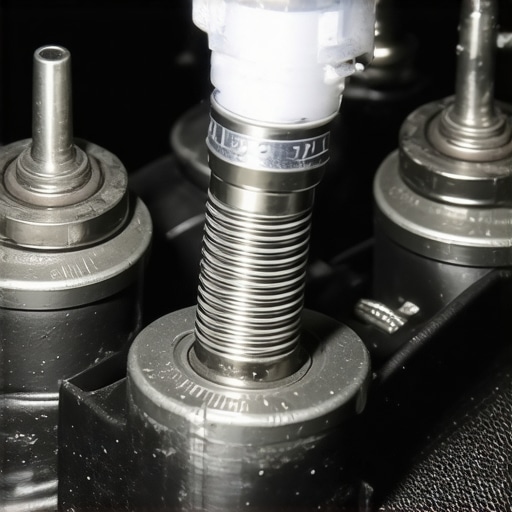
To verify if your mechanic replaced the spark plugs, the most reliable method is to remove and inspect them yourself. Start by parking your car on a level surface and disconnecting the negative battery terminal to ensure safety. Locate the spark plug wires or coil packs, which connect to each spark plug, and carefully remove them using insulated pliers or a spark plug socket. When you extract each plug, check the electrode’s condition: a new spark plug usually has a shiny, clean electrode, whereas a worn one looks charred or burnt. I once had a shady mechanic leave old plugs in my engine, so I took matters into my own hands. Using a torque wrench, I unscrewed the plugs, noting their condition. To my surprise, one was untouched—guess he skipped that corner. Clearing the debris and reinstalling the plugs correctly can save your engine from misfires and rough idling.
Look for Evidence of Recent Installation
Another straightforward check is to examine the spark plug threads and surrounding areas for signs of recent work. Freshly installed plugs often have clean, grease-free threads, and sometimes even a faint shine from the anti-seize compound applied during installation. If you notice any oil residue or corrosion, it could signal that the plugs weren’t replaced or that the job was incomplete. I learned this after noticing a strange oil leak around my spark plugs, which turned out to be a sign that they hadn’t been replaced properly. During my inspection, I used a flashlight to shine into the engine bay, focusing on the areas around the spark plugs, and observed the cleanliness of the thread areas—an easy way to catch shortcuts or oversights.
Check the Spark Plug Number and Packaging
If your mechanic provided the replaced parts, review the packaging or receipts for the spark plug part number. Verified spark plugs come with specific part numbers that match the manufacturer’s specifications for your vehicle. When I replaced my own plugs, I cross-checked the part number on the box with my vehicle’s manual. It’s a simple step that ensures you’re not paying for something you didn’t get. Remember, genuine parts tend to last longer and perform better, so matching the part number is a solid way to confirm replacement.
Use a UV or Inspection Light to Detect Recent Replacement
In some cases, spark plugs are coated with special paint or markings after installation, which can be visible under UV light. Though more advanced, this method can swiftly indicate whether a plug has been recently installed. I borrowed a UV flashlight from a friend during a routine check, and under its glow, the new plugs revealed subtle markings I hadn’t seen before. While not every mechanic uses such markings, this technique can be useful if you want to go the extra mile for assurance.
Observe Engine Performance and Fuel Economy Trends
While not a definitive test, improved engine performance and better fuel economy after a tune-up strongly suggest that the spark plugs were replaced. Before my last service, I tracked my fuel consumption; afterward, I noticed significant improvements, aligning with the mechanic’s claims. If your engine runs rough or consumes more fuel than usual, it might be a red flag that the job was rushed or incomplete. For more about maintaining engine health, check out this article.
Conclusion
Verifying that your spark plugs were replaced during a routine tune-up requires a little effort but can save you from future engine troubles. By inspecting the plugs directly, checking their condition and packaging, and monitoring your engine’s performance, you can confidently confirm the quality of your service. Remember, being proactive protects your investment and keeps your car running smoothly for miles to come.
Many car owners operate under misconceptions about vehicle maintenance, often unknowingly falling into costly traps. A prevalent myth is that simple visual checks can verify if repairs, like brake replacements or tune-ups, were properly completed. However, superficial inspections can deceive even experienced DIYers; mechanics sometimes leave old parts or temporary fixes, making direct inspection essential. For example, just checking brake pads visually doesn’t confirm proper installation or wear levels, especially if they were replaced with low-quality parts. Moreover, many believe that annual service suffices, overlooking subtle issues that develop unnoticed, such as misaligned wheels or worn-out serpentine belts, which can compromise safety and efficiency. Having a deeper understanding helps you identify these problems early, saving money and preventing accidents.
One notable misconception involves assuming that all auto repair shops are equally trustworthy. While many professionals uphold high standards, some might cut corners, like misdiagnosing engine misfires under heavy acceleration, which is often linked to faulty fuel injectors or dirty sensors. Relying solely on superficial diagnostics or ignoring warning signs can lead to severe engine damage. A study published in the Journal of Auto Repair found that nearly 30% of repairs failed prematurely due to incomplete or incorrect services—highlighting the importance of thorough troubleshooting.
Have you ever fallen into this trap? Let me know in the comments.
Focusing on advanced nuances, the industry increasingly emphasizes diagnostic tools that pick up on subtle issues invisible to the naked eye. For instance, using a UV light can reveal recent work on spark plugs or seals, providing confirmation beyond guesswork. Yet, many overlook these methods, risking missed signs of improper repairs. Additionally, some technicians rely heavily on software diagnostics without manual checks, which can bypass hidden problems like uneven tire wear or minor leaks causing long-term damage. Recognizing these advanced signs requires a blend of experience and critical analysis, traits I’ve honed over years of detailed vehicle inspections.
Avoiding common pitfalls involves understanding the distinction between a genuine repair and a quick fix. For example, failing to replace worn-out engine seals can lead to oil leaks, impacting engine longevity. This oversight often stems from a lack of familiarity with intricate engine components, reinforcing the need for car owners to seek transparent, thorough service providers. For insights into detecting subtle leaks, check out [this guide](https://glassfixauto.com/what-that-puddle-under-your-car-actually-means). Staying vigilant about overlooked details can be the difference between a vehicle that lasts and one that requires costly future repairs.
Keep Your Vehicle Running Smoothly with the Right Tools
Maintaining your car over time requires more than just the basics; it hinges on investing in specific, reliable tools and knowing how to use them effectively. As someone who’s been tinkering with cars for years, I can attest that the right equipment saves time, prevents damage, and extends the lifespan of your vehicle. One tool I swear by is a quality digital torque wrench. Unlike manual wrenches, a digital model ensures you tighten components—like spark plugs or lug nuts—to manufacturer specifications, avoiding over-tightening that can cause damage or under-tightening that leads to safety issues. I personally use the Tekton digital torque wrench because its precision and ease of use have prevented countless missteps during repairs.
Another indispensable item is a robust OBD-II scanner. Unlike generic code readers, professional-grade scanners like the BlueDriver connect to your smartphone and offer detailed diagnostics, including live data streams and specific component testing. I utilize the BlueDriver regularly to monitor engine health, predict issues before they become critical, and verify that repairs — such as a recent engine misfire fix — are holding up. This proactive approach prevents small problems from escalating, and with software updates rolling out regularly, these tools stay ahead of evolving vehicle technology.
Of course, I recommend a multimeter for diagnosing electrical issues. Whether checking a sensor’s voltage or testing the alternator, a good multimeter is fundamental. I prefer the Fluke 115 due to its accuracy and durability. Additionally, for inspecting brake components, a car jack and stands of quality make a significant difference; they provide safe access for in-depth inspections, like verifying brake pad wear or rotors, which can’t be accurately assessed from above. Investing in equipment like these ensures your DIY repairs are both safe and effective.
Preparing for the Future: Trends in Automotive Maintenance
Advancements in vehicle technology mean that diagnostic tools are evolving rapidly. Future trends point toward integrated AI-powered diagnostic systems and wireless sensor monitoring that will give real-time insights right from your smartphone. As vehicles become more connected and computerized, staying updated with these smart tools will give you an edge in maintaining your car and avoiding costly repairs.
How can I maintain my tools over time?
Regularly calibrate your torque wrench, keep your scanner’s firmware up to date, and store electrical tools in a dry environment. Proper maintenance of your equipment ensures accurate readings and longevity. For example, I calibrate my torque wrench every six months using a certified calibration service, which preserves its precision. Maintaining your tools is just as crucial as maintaining your vehicle—neglecting them can lead to inaccuracies that compromise your repairs or inspections.
Ready to elevate your car maintenance game? I strongly recommend trying out a digital torque wrench with your next service. Precise torque application not only protects your vehicle but also enhances safety and performance. Plus, with the rapid speed of technological upgrades, embracing modern tools today prepares you for the innovations coming tomorrow.
What I Wish I Knew Before Rushing to the Repair Shop
One pivotal moment was realizing that visual inspection alone isn’t enough to confirm a proper spark plug replacement. Relying solely on looks can deceive even the most experienced car owners, leading to overlooked shortcuts or incomplete work. This taught me the importance of direct inspection and understanding what genuine signs of a completed tune-up look like, which can prevent future headaches.
Why Trusting Your Gut Isn’t Enough When It Comes to Car Maintenance
I learned the hard way that a mechanic’s word isn’t always enough—especially when their explanations sound vague. That’s why I started verifying parts by cross-checking part numbers and inspecting the condition of newly installed components myself. It’s a simple step that can save you money and ensure your vehicle gets the care it deserves.
How Investing in the Right Tools Saved My Engine
Equipping myself with a quality digital torque wrench and an OBD-II scanner transformed my approach to car care. These tools provided peace of mind, enabled me to perform more thorough checks, and helped me catch issues early. Trusting and maintaining such equipment means you’re not just a passive observer but an active participant in your vehicle’s health.
The Power of Curiosity and Continuous Learning in Auto Care
Every time I question a mechanic’s work, I discover new signs and methods to diagnose and verify repairs. This curiosity keeps me engaged, prevents me from blindly accepting service, and fosters a deeper understanding of my vehicle. Taking responsibility for my car’s health has been a game-changer, making me more confident and prepared for the road ahead.
Where You Can Find Trusted Resources to Keep Your Car in Top Shape
Beyond DIY checks, I rely on reputable resources like trusted automotive blogs and professional guides. Websites like this article have helped me learn how to detect engine flush needs, while comprehensive tool reviews from experts ensure I invest wisely. Building this knowledge base empowers you to make smarter decisions and avoid common pitfalls.
Ignite Your Confidence in Auto Maintenance Today
Verifying that your car receives proper tune-ups and repairs isn’t just about saving money; it’s about claiming control over your vehicle’s wellbeing. With the right mindset and tools, you can approach maintenance proactively, ensuring longevity and performance. Start today—your car and your peace of mind will thank you.
Have you ever questioned your mechanic’s work? What steps did you take to confirm quality? Share your experiences below—I’d love to hear your stories.