
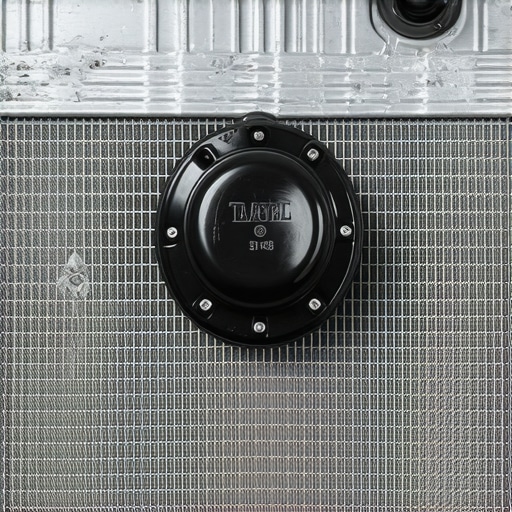
One chilly morning, I was ready to hit the road, coffee in hand, when suddenly my car started overheating mid-commute. Turns out, my radiator cap was failing silently, risking engine damage. That lightbulb moment made me realize how often I overlooked such a small but vital component. If you’ve ever wondered why your engine runs hot or why the coolant keeps leaking, you’re not alone. Many car owners underestimate the importance of their radiator cap—until a warning sign pops up or worse, a roadside breakdown.
Don’t Let a Failing Radiator Cap Catch You Off Guard
Our vehicles are complex machines with hundreds of tiny parts working in harmony. But some parts, like your radiator cap, are often dismissed until trouble strikes. The radiator cap might seem insignificant, but it plays a crucial role in maintaining your engine’s health. When it fails, it can lead to coolant leaks, overheating, and engine damage—a costly and inconvenient problem.
Is Worrying About the Radiator Cap Worth It?
Absolutely. I’ve learned the hard way that neglecting simple checks on such components can turn into expensive repairs. Early on, I made the mistake of assuming any overheating was due to a major engine fault, ignoring the possibility of a simple cap issue. Trust me, routine inspections are your best friend, and they can save you a lot of trouble and money. Curious how to spot a failing radiator cap before it causes major harm? Let’s dive into the telltale signs and how to address them.
Visual Inspection for Early Warning Signs
Start by inspecting the radiator cap visually for corrosion, cracks, or wear. During my recent tune-up, I noticed white powder around the seal, indicating a leak. This simple check can prevent overheating issues. Remove the cap carefully and examine the rubber gasket for cracks or dryness. If the seal feels brittle or cracked, it’s time for a replacement. Regular visual inspections like this are key, and I recommend reviewing your car’s maintenance schedule regularly here.
Test the Cap’s Pressure and Seal
Next, test whether your radiator cap maintains proper pressure. Use a radiator pressure tester, which you can rent from an auto parts store. Attach the tester to the cap following the device instructions and pressurize it to see if it holds the specified PSI. When I did this myself, I discovered my cap couldn’t hold more than 10 PSI instead of the recommended 13 PSI, indicating it was faulty. This step guards against unseen leaks that cause overheating and coolant loss. For more detailed procedures, check auto repair trends.
Remove and Replace the Radiator Cap Correctly
To replace the cap, ensure the engine is cool to prevent burns. Turn the cap slowly to release residual pressure, then fully remove it. If the cap is faulty, replace it with an OEM or high-quality aftermarket part matching your vehicle’s specifications. In my case, I purchased a new cap from the dealership because I wanted guaranteed quality. Make sure to tighten it securely but not overly tight, as damaging the threads can lead to leaks brake-system repairs. Proper installation ensures the cooling system remains sealed, maintaining optimal pressure.
Keep Records and Monitor for Recurring Issues
After replacement, monitor your vehicle’s temperature gauge during subsequent drives. Keep a record of inspections and replacements; this habit saves time and prevents emergencies. During my last visit, I logged the new cap’s date and noted no overheating signs, giving me peace of mind. Regular checks, especially before long trips, help catch issues early. For a comprehensive checklist, see car service checklist.
Many car owners operate under misconceptions about brake service, car tune-ups, and overall auto repairs. While routine maintenance is vital, the nuanced realities often get overlooked, leading to costly mistakes. Let’s challenge some prevalent myths and explore the advanced traps that even experienced enthusiasts can fall into. First, a common belief is that replacing brake pads alone suffices for brake health. However, I’ve seen many jump straight to pad replacement without considering the condition of rotors, calipers, or brake fluid. Neglecting these elements can cause uneven wear or premature failure, which underscores the importance of comprehensive brake system evaluations. For an in-depth understanding, review this detailed guide.
Myth two centers on the belief that a simple tune-up guarantees optimal engine performance. In reality, a tune-up isn’t merely about spark plugs or filters; it involves diagnosing advanced issues like fuel injector efficiency or ignition coil health. Many assume that ticking off scheduled parts keeps the engine perfect, but without diagnostics or leveraging modern testing tools, underlying problems may persist unnoticed. Read this resource to grasp the nuances.
Ever wonder why some repairs seem to fix the symptom but not the root cause? What advanced mistakes do even seasoned mechanics make?
This question is essential because real expertise involves diagnosing the cause, not just chasing the symptoms. For example, a slipping transmission might be mistaken for low fluid, but the root could be a failing sensor or internal component. Failing to identify the true cause leads to repeat repairs and inflated costs. According to industry research, incorporating professional diagnostics drastically reduces unnecessary part replacements and guarantees longer-lasting fixes here.
Also, beware of the trap where vehicle owners rely solely on visual inspections. Internal wear or fluid degradation often lack visible signs but critically impact safety and performance. Using advanced testing methods like pressure tests or electronic diagnostics can reveal hidden issues. Integrating these practices aligns with recommendations from expert mechanic associations for maintaining your vehicle’s longevity and safety here.
In conclusion, challenging superficial beliefs and embracing a deeper diagnostic approach saves you from recurring problems and unexpected breakdowns. Have you ever fallen into this trap? Let me know in the comments, and stay ahead with informed maintenance strategies.
Investing in the Right Equipment for Maintenance
Keeping your vehicle in top shape requires more than just routine visits; it demands the right tools and knowledge. I personally swear by a high-quality digital multimeter for diagnosing electrical issues—it’s precise, reliable, and invaluable for catching problems early. For example, when my engine misfired unexpectedly, using my multimeter helped me identify a faulty ignition coil without visiting a mechanic immediately. Understanding your vehicle’s electrical systems empowers you to troubleshoot effectively and cut down repair costs.
How do I maintain my car tools over time?
Regular maintenance of your tools ensures longevity and reliability. Keep your multimeter and precision screwdrivers clean and store them in a dry, organized toolbox. Periodically calibrate your multimeter as per the manufacturer’s instructions to ensure accuracy. Replace worn-out brushes or batteries promptly, which I learned the hard way when my multimeter started giving inconsistent readings—leading to unnecessary part replacements. Proper storage and periodic checks extend your tools’ life and keep your maintenance routine efficient.
Advanced diagnostics can revolutionize your auto care
Modern diagnostic code readers, like the Autel Maxisys Elite, allow you to scan your vehicle’s ECU for hidden trouble codes. I recommend investing in one because it uncovers issues before they manifest as costly repairs. Moreover, a smartphone-based OBD-II scanner, paired with an app, can provide instant insights during routine checks. These tools are becoming more affordable and user-friendly, making it feasible for dedicated car owners to diagnose complex problems with confidence. Industry experts predict a trend towards integrated diagnostic tools that combine real-time data monitoring and predictive maintenance—meaning you won’t just react to problems but anticipate them.
What’s the secret to keeping your vehicle running fast and reliable?
Adopt a proactive maintenance approach using precise tools. For example, my routine includes using a pressure tester to verify radiator cap seals every few months—saving me from overheating surprises. Regularly inspecting, calibrating, and upgrading your equipment ensures accurate diagnostics, which ultimately prolongs your vehicle’s lifespan. For comprehensive guidance on maintaining your car effectively, explore these expert tune-up strategies. Don’t hesitate to try out a digital multimeter or an OBD-II scanner—for just a small investment, you can gain immense confidence in your DIY skills and keep your car humming smoothly for years to come.
Three Hard-Won Truths About Brake and Auto Maintenance
- Never underestimate the power of routine inspections; catching a minor leak early can save you from costly repairs down the line, just like I learned when I noticed white powder on my radiator cap.
- Invest in quality tools and diagnostics—having the right equipment turns maintenance from guesswork into confidence, saving time and money in the end.
- Think beyond the obvious—sometimes, a simple booster or sensor can cause major trouble if overlooked, emphasizing the importance of comprehensive diagnostics before replacing parts blindly.
My Toolkit for Smarter Car Care
- Digital Multimeter: Trustworthy for electrical diagnostics—mine uncovered a failing ignition coil before it caused engine misfires; I recommend the same for DIY enthusiasts.
- OBD-II Scanner: A game-changer that reveals hidden trouble codes, helping prevent emergency breakdowns. I personally use a smartphone-compatible scanner paired with user-friendly apps.
- Pressure Tester: Essential for verifying radiator cap seals and coolant integrity, which I routinely check to prevent overheating—this simple step has saved me countless roadside surprises.
- Comprehensive Automotive References: Resources like these expert strategies keep me informed on best practices and emerging trends in auto repair.
Your Next Move Could Transform Your Auto Routine
While mastering basic maintenance builds a solid foundation, embracing advanced diagnostics and quality tools elevates your auto care game. It’s not just about fixing what’s broken; it’s about proactively maintaining your vehicle’s health, extending its lifespan, and ensuring safety. Are you ready to take control of your car’s longevity? Share your experiences and questions below, and let’s grow together in smarter auto maintenance.