
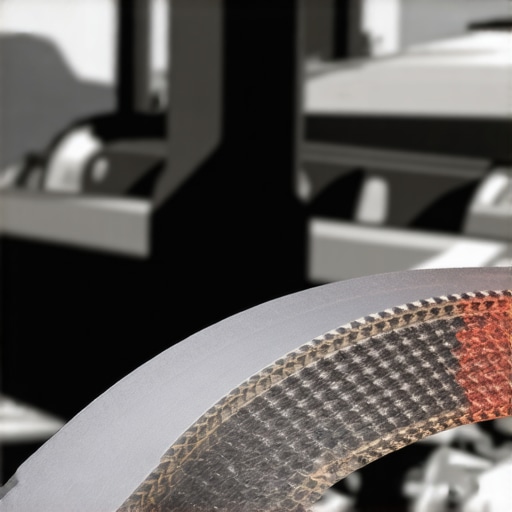
Ever had that sinking feeling when your engine sputters unexpectedly, making you think, “Did I wait too long for that tune-up?” I vividly remember the moment I ignored my car’s strange ticking noise, dismissing it as minor. It wasn’t until my engine suddenly stalled on the highway that I realized I’d overlooked a ticking time bomb: my faulty timing belt. That experience taught me a valuable lesson about paying attention to the subtle signs of impending failure.
Understanding when your timing belt is about to give out can save you from costly repairs and dangerous breakdowns. This crucial component keeps your engine running smoothly, synchronizing the movement of pistons and valves. If it fails, it can lead to catastrophic engine damage—sometimes requiring a complete engine rebuild. The key is knowing what clues to look for and catching problems early.
Why Proper Timing Belt Maintenance Is Life-Saving
Maintaining your timing belt isn’t just about avoiding repair bills—it’s about ensuring your safety and your vehicle’s longevity. A worn or broken belt can cause your engine to seize, leaving you stranded and risking further damage. Early signs often appear as odd engine noises, slight misfires, or a rough idle. Recognizing these cues can make all the difference.
But here’s the tricky part—many car owners, myself included initially, dismiss these symptoms as minor issues or normal wear and tear. I used to think that grinding or ticking noise was just a quirk of my older car. Turns out, ignoring signs of belt wear is like playing with fire. According to automotive experts, neglecting timing belt inspections can lead to complete engine failure, which is far more expensive than routine replacements.
To avoid being caught off guard, regularly inspecting your belt for cracks, fraying, or missing teeth is essential. Plus, knowing the replacement interval—typically around 60,000 to 100,000 miles—helps prevent surprise breakdowns. If you’re unsure about when to replace yours, consulting with a trusted mechanic can be a game-changer. After all, proactive maintenance is your best friend behind the wheel.
Have you ever faced a breakdown that could’ve been prevented with earlier attention? Share your stories or ask questions below—I’m here to help you keep your car running smoothly and safely. Ready to learn how to identify the early warning signs? Let’s dive into the details that could save you hundreds.
Get Ready with the Right Tools and Workspace
Before diving into the inspection or replacement, gather essential tools like socket wrenches, screwdrivers, a new timing belt, and safety gear. Find a clean, well-lit workspace with enough room to access the engine bay comfortably. Remember, working on your car is like performing surgery; precision and cleanliness matter. I once tried replacing my timing belt in a cluttered garage, which led to lost bolts and a longer repair. Staying organized saves time and prevents mistakes.
Accessing the Timing Belt Carefully
Remove Engine Covers and Accessories
Start by disconnecting the negative terminal of the battery to avoid electrical issues. Remove any engine covers, pulleys, or accessories blocking access to the timing belt. Use a mirror or flashlight to check for debris or damage once exposed. Think of this step as peeling back the layers of an onion—being cautious prevents damaging delicate components.
Align the Timing Marks
Locate the timing marks on the crankshaft and camshaft pulleys. Use a wrench to turn the crankshaft pulley slowly clockwise until the marks align with factory specifications. This alignment ensures your engine’s pistons and valves are synchronized, preventing piston-valve contact. I learned the importance of meticulous alignment during my first attempt; rushing led to minor timing errors that caused rough running afterward.
Inspecting the Belt for Wear and Damage
Examine the belt’s surface for cracks, fraying, missing teeth, or glazing. Flex the belt gently—if it feels brittle or cracks, it’s a sign to replace it. Check for pulley misalignment or oil leaks that could degrade the belt. Think of the belt as the heartbeat of your engine: if it’s weak or damaged, your engine’s rhythm falters. In my case, a visible crack on the old belt prompted immediate replacement, saving me from a roadside breakdown.
Replacing the Timing Belt Effectively
Align the new belt with the timing marks, ensuring the teeth mesh properly with the pulleys. Use a belt tensioner tool to apply the correct tension—too loose, and it slips; too tight, and it causes premature wear. Double-check the alignment after tensioning. Reinstall all removed components in reverse order, and torque bolts to manufacturer specs. Remember, proper tensioning is critical; an overtight belt can strain the water pump and pulleys, leading to early failure. I once overlooked tension adjustment, which resulted in squealing noises after a few weeks, prompting a redo.
Final Checks Before Powering Up
Before reconnecting the battery, rotate the crankshaft manually two turns to verify the alignment of timing marks. This step ensures no components are misaligned. Reinstall any engine covers, and start the engine to listen for unusual noises or vibrations. A smooth running engine indicates a successful job. I vividly recall the relief I felt when my car ran perfectly after replacing the belt—I avoided costly repairs and extended my engine’s lifespan.
Regular inspection and timely replacement of your timing belt are like giving your engine a health check—preventive care pays off in better performance and longevity. For more detailed guidance on routine maintenance, check out this comprehensive car service checklist. Staying proactive with your vehicle maintenance keeps you safe on the road and saves money in the long run.
Many car owners operate under misconceptions that can lead to costly mistakes and safety risks. A common myth is that a simple oil change or brake pad replacement is all the vehicle needs to stay reliable; however, this oversimplifies the complexities of auto maintenance. In reality, neglecting the nuanced interplay of various systems can cause small issues to cascade into major repairs. For example, I’ve seen many underestimate the importance of diagnosing subtle engine misfires early, only to face complete engine failure later. According to automotive experts, such as those featured in recent industry studies, understanding the interconnectedness of vehicle components is key to effective maintenance.
Why do some drivers continue to ignore warning signs until it’s too late?
Often, it’s because of a lack of awareness or misinformation about what symptoms truly signal serious issues. For instance, assuming a minor squeal during braking is just brake pad wear can be dangerous; it may be an early sign of caliper or rotor problems that, if ignored, compromise safety. Additionally, many believe that traditional, scheduled maintenance alone suffices, but as outlined in the comprehensive guides on keeping your vehicle in top shape, diagnosing and proactively addressing hidden or overlooked issues is essential. Skipping critical diagnostics or delaying repairs often masks underlying problems, leading to more extensive damage. For example, a small oil leak might seem insignificant but can cause engine overheating or failure if left unchecked. These subtle issues are often the silent culprits behind breakdowns, reinforcing the importance of regular inspections and understanding the nuances of your vehicle’s behavior. Are you aware of the advanced diagnostic techniques used by professionals to identify these hidden problems? It’s worth learning about the latest auto repair trends that help pinpoint issues before they escalate. Remember, in auto care, knowledge is power. Regularly scheduled tune-ups, combined with vigilant attention to early warning signs, can extend your car’s lifespan and maintain safety on the road. Have you ever fallen into this trap? Let me know in the comments, and I’ll help you navigate these advanced maintenance pitfalls.Keeping your vehicle in top shape over the years requires more than just occasional visits to the mechanic. It involves investing in the right tools and adopting effective methods that allow you to diagnose, maintain, and troubleshoot issues proactively. One tool I personally rely on is a high-quality automotive code scanner, like the Autel MaxiScan MS300. It’s compact, affordable, and provides instant access to engine trouble codes, saving me time and money by pinpointing problems early before they escalate. Additionally, a digital tire pressure gauge such as the EPA-approved Accutire MS-4400 gives me peace of mind, ensuring my tires are always at optimal pressure for safety and fuel efficiency, which I check weekly.
Beyond hardware, software solutions are transforming home auto maintenance. Using diagnostic apps like OBDLink makes it easier to monitor various vehicle parameters via Bluetooth, allowing me to track trends over time—ideal for planning tune-ups and preventative care. I’ve found that integrating data logging software with these tools helps me recognize early signs of issues, such as irregular engine temperatures or declining battery voltage levels.
A critical part of ongoing maintenance is understanding and maintaining fluid systems—oil, coolant, transmission fluid—each playing a vital role in prolonging your engine’s life. Regularly inspecting these fluids with a quality flashlight and graduated containers helps catch problems before they cause damage. For example, I use a refractometer to measure coolant purity, aiming to prevent corrosion and overheating.
Long-term results hinge on establishing a routine. Scheduling semi-annual inspections, combined with using these dedicated tools, ensures that minor issues never become emergencies. Future trends point toward smarter, connected systems—think predictive maintenance driven by AI that can alert you via smartphone when parts are nearing failure. Staying ahead by adopting these advanced tools now can keep your car running smoothly years into the future.
How do I maintain these systems over time? Regular calibration of your diagnostic tools is crucial. For example, periodically verifying your code scanner against dealership standards ensures accuracy. Also, upgrading your diagnostic apps and firmware keeps you abreast of the latest vehicle protocols, which is especially important as auto technology advances rapidly.
If you’re serious about long-term vehicle care, I recommend trying out a comprehensive diagnostic setup with your smartphone, like the OBDLink system mentioned earlier. It’s astonishing how much insight you can gain and how it empowers you to tackle issues proactively. Want to see how to set up and interpret your vehicle’s data? Check out detailed guides available online or contact a trusted auto technician for hands-on help. Remember, consistent monitoring and maintenance with the right tools today can save you thousands in repairs tomorrow. Visit our contact page if you’d like personalized advice or assistance with your auto maintenance toolkit.
Lessons That Changed My Approach to Auto Care
One of the most profound lessons I learned is that proactive detection beats reactive repairs. Catching early signs of timing belt wear, like slight squeals or rough idling, can save you from costly engine damage. I once ignored a subtle vibration, only to face engine overhaul costs later. Now, I prioritize regular inspections with a keen eye for those tiny cues that reveal big problems.
Another insight is that quality tools empower you to take control. Using a reliable diagnostic scanner alongside routine fluid checks has transformed how I maintain my vehicle. It’s not just about fixing when things break, but about understanding your car’s health in real-time and addressing issues before they escalate. This shift from reactive to preventive care has extended my car’s lifespan significantly.
Finally, I’ve discovered that the community and expert resources are invaluable. Engaging with trusted blogs, tutorials, and local mechanics helps demystify complex repairs. For example, learning how to properly tension a timing belt through industry-approved guides ensures my work aligns with professional standards. Investing time in these resources pays off by making you more confident and saving money in the long run.
Tools and Resources That Truly Make a Difference
My essential toolkit includes a high-quality code scanner like the Autel MaxiScan MS300, which provides instant engine diagnostics. It’s affordable and simple to use, helping me spot issues early. Additionally, a digital tire pressure gauge like the EPA-approved Accutire MS-4400 ensures my tires are always at optimal pressure, boosting safety and fuel efficiency. Regularly inspecting and maintaining these areas has prevented many breakdowns.
I also rely on diagnostic apps such as OBDLink, which connect seamlessly with my smartphone to monitor engine data continuously. These tools enable me to identify warning signs like irregular engine temperatures or battery health declines before they turn into emergencies. Staying informed with technology is the future of reliable auto maintenance.
To keep my fluid systems in check, I use a refractometer to test coolant purity and simple visual checks for oil and transmission fluids. These routine steps help me understand the overall health of my vehicle’s vital systems. Pairing these tools with scheduled inspections, like those recommended in the comprehensive car service checklist, ensures nothing slips through the cracks.
Your Turn to Take Action & Keep Moving Forward
The key to automotive longevity lies in consistency and curiosity. Embrace proactive habits—regular inspections, investing in good tools, and staying informed—so you can enjoy safer, smoother drives for years to come. Remember, the journey of mastering car care doesn’t end here; it evolves as you learn and adapt to your vehicle’s unique needs.
What small maintenance change are you planning to implement after reading this? Share your thoughts below—your experiences might inspire someone else to take control of their auto health.