
Ever had that sinking feeling when you pop the hood and notice fresh oil spots on your driveway or garage floor? I remember the first time I spotted a mysterious oil trail beneath my car—panic set in. Was it serious? Can I fix it myself? That lightbulb moment made me realize how confusing and frustrating it can be to identify where that leak is coming from. Welcome to your friendly neighbor’s guide on how to find the source of that sneaky oil leak—because if you catch it early, you might save yourself a costly repair and a big headache.
Why Finding That Leak Matters More Than You Think
Oil leaks are more than just messy; they can be warning signs of underlying issues that threaten your vehicle’s health. Left unchecked, a small leak can lead to engine damage, decreased fuel efficiency, or even complete engine failure. Plus, a persistent leak can be a safety hazard, especially if oil drips onto hot or moving parts.
You might wonder, “Is it really worth troubleshooting this myself, or should I just head straight to the mechanic?” Well, with a few basic knowledge and careful inspection, you can often pinpoint the culprit without immediately dropping your car off at the shop. This can save time and money, and boost your confidence as a DIYer. I’ll share some personal mistakes I made early on—like assuming a big oil stain meant a major problem when it was just a minor seal issue. Trust me, catching small problems early is the key.
According to the Society of Automotive Engineers, regular maintenance and early detection of leaks can extend your car’s lifespan and improve safety (SAE International, 2022). That’s reason enough to learn how to investigate leaks yourself.
Are you tired of playing the guessing game every time you see a new oil spot? Don’t worry—that’s exactly what we’ll tackle today, step by step. Before we dive into the practical inspection, let me clear up one common concern.
Is it really possible to find the leak without expensive tools or years of mechanic training?
Absolutely! With a bit of patience and the right approach, most leaks reveal themselves to the careful eye. In fact, I managed to identify a tiny seal crack by simply wiping the area and inspecting it after a short drive. And with some common tools—a flashlight, clean rags, and maybe a UV dye—you can uncover even the trickiest leaks.
So, if you’re ready, let’s go through the process of locating that elusive oil leak, learn what to look for, and avoid some pitfalls I once fell into.
Check Under Your Car Regularly
Start by inspecting your driveway or garage floor for fresh oil spots after driving. Use a clean, dry rag to wipe the suspected area and let the car sit for a few hours, then check again. I once noticed a small oil stain beneath my car after a weekend trip; wiping the area revealed a tiny gasket crack—miniature but telling.
Identify Common Leak Sources
Focus on typical leak points: valve covers, oil pan drain plug, oil filter, and oil cooler lines. Think of it like inspecting a leaking pipe—the joint or seal usually is the culprit. I once found oil seeping from the valve cover gasket by carefully wiping the area and observing after a short drive, which confirmed the leak source.
Use a Flashlight and Magnifying Glass
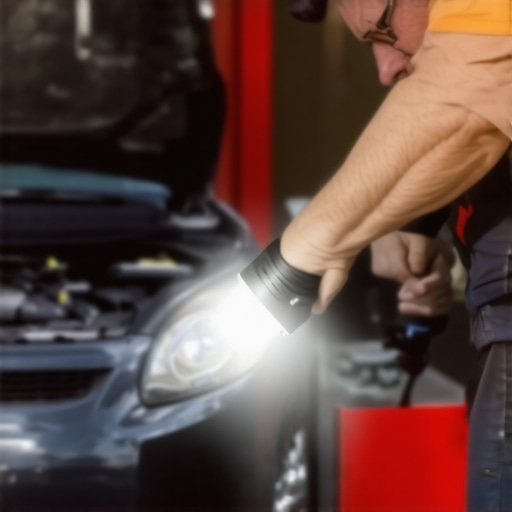
Illuminate tight spots for clearer visibility. Shine a flashlight around engine components while the engine is off but warm—oil leaks often leave tell-tale deposits or residue. A magnifying glass can reveal tiny cracks or loose fittings I otherwise missed. Remember, tight spaces are like puzzles—take your time and look for clues.
Clean the Area for Better Inspection
Wipe the suspected zone with degreaser or brake cleaner, then run the engine briefly. This process reveals fresh oil trails. I once cleaned an oily surface and drove around the block; the fresh trail quickly led me to a worn-out valve cover gasket—saving me a costly repair later.
Apply UV Dye and Use a UV Flashlight
If the leak isn’t obvious, add a UV dye compatible with automotive oil through the fill cap. After some driving, use a UV flashlight to scan engine components. The dye glows under UV light at leak points—like shining a flashlight on hidden trouble spots. I employed this method and tracked a slow seep from a cracked oil cooler line, preventing a bigger engine problem.
Check Frequently and Document Findings
Keep notes or photos of potential leak sites. Regular inspections help catch leaks early, much like monitoring your blood pressure. Remember, oil leaks are often a sign of worn seals or gaskets—prompt detection can mean simple fixes rather than expensive repairs.
Knowing When to Seek Help
If you find the source but feel uneasy about repairing it yourself, consult [professional technicians](https://glassfixauto.com/contact-us). They can confirm the leak and ensure your vehicle stays safe and reliable. Sometimes, a quick fix from experts saves time and money in the long run.
When it comes to automotive service, many car owners operate based on misconceptions that can lead to costly mistakes. One widespread myth is that a basic tune-up only involves changing spark plugs and air filters. In reality, a comprehensive tune-up should address various systems, including fuel injectors, timing adjustments, and even computerized diagnostics to optimize performance more on expert tune-up strategies. Overlooking these nuances often results in subpar engine efficiency and increased emissions.
Another common misunderstanding is that brake pads are the sole component responsible for stopping power. However, many fail to realize that brake rotors, calipers, and hydraulic systems play crucial roles and require regular inspection. Neglecting these parts can cause uneven wear or total brake failure. For instance, warped rotors can lead to vibrations and diminished braking force—an issue you might miss if you’re only checking pad thickness stay ahead with current trends.
Many car owners believe that regular oil change intervals are enough to maintain engine health. While important, this isn’t the whole picture. Modern engines benefit from detailed inspections of sensors, belts, and fluids that many overlook during routine oil changes. Skipping these checks is like ignoring the health of your entire car, not just the engine. Advanced mistakes include ignoring timing belt timing or neglecting coolant system health, which can cause severe engine damage, often caught by preventive diagnostics spot warning signs early.
A critical Regular maintenance is the backbone of a reliable, safe, and efficient vehicle. Over the years, I’ve honed my toolkit and adopted specific software to diagnose and fix issues proactively, saving both time and money. Today, I want to share some of the tools I personally swear by and how they help me keep my car in top shape. Plus, I’ll touch on where auto repair trends are headed and how you can stay ahead.
Invest in Quality Diagnostic Equipment
One game-changer in my garage has been an OBD-II scanner. I prefer the BlueDriver Bluetooth Pro OBD2 Scan Tool, because it connects seamlessly to my smartphone and provides detailed error reports. Unlike generic code readers, this tool interprets manufacturer-specific codes, allowing me to diagnose problems accurately without guesswork. This has saved me from unnecessary part replacements and trips to the shop. As vehicles become more sophisticated, having a reliable diagnostic readout becomes essential. I predict that in the future, integrated diagnostics—possibly via augmented reality—will become affordable and commonplace.
Use Software for Routine Maintenance Scheduling
Keeping track of maintenance dates can be tedious, which is why I rely on apps like my car service checklist. I set reminders for oil changes, brake inspections, and fluid replacements, ensuring I don’t forget critical upkeep. Regular diagnostics with vehicle-specific software help spot issues early, like worn brake calipers or degraded suspension components. Staying consistent prevents costly repairs down the line and prolongs your vehicle’s life. Look for apps that sync with your vehicle for the best experience.
Maintain a Well-Stocked Toolkit with Specialty Tools
For most DIY repairs, I keep a set of specialty tools—like a brake caliper piston press, torque wrenches calibrated for specific Nm values, and a magnetic pickup tool. My go-to is the Kobalt digital torque wrench; precise torque ensures safety, especially for critical components like suspension and brakes. Investing in high-quality tools ensures durability and accuracy, making repairs faster and more reliable. As automotive technology advances, expect more digital and cordless tools that interface with your smartphone, offering real-time calibration and diagnostics.
Stay Updated on Technological Advances
The auto industry is quickly evolving, with trends like electric vehicles, hybrid systems, and smart diagnostics coming to the forefront. According to the latest trends, investing in learning about these changes can give you an edge. For example, understanding how to check and replace your EV battery’s coolant system before it fails can save hundreds of dollars. Participating in online forums and workshops helps me keep current, and I recommend doing the same to adapt your maintenance routine accordingly.
How Do I Maintain Tools and Software Over Time?
Proper care extends your investment. Regularly calibrate your torque wrenches, keep your diagnostic tools updated with the latest firmware, and clean your specialty tools after each use. Also, back up your software data periodically to prevent loss. Troubleshooting can reveal hidden issues before they become big problems. For instance, a recent software update helped me identify a misfiring cylinder early, avoiding a major engine repair.
If you’re serious about long-term vehicle health, I encourage you to try implementing one advanced tip: use a UV dye through the oil fill cap and scan with a UV flashlight to detect slow leaks. It’s incredibly effective and pays for itself by preventing expensive repairs. Want to experience this? Start by adding UV dye during your next oil change — it’s a proactive step that really makes a difference.
Uncovering the Hidden Lessons Behind Oil Leaks
One of the biggest surprises I encountered as a DIY enthusiast was realizing how many misconceptions I held about oil leaks. For instance, I once thought that every leak meant an immediate and costly engine failure—turns out, many small leaks are manageable with some attention. I learned that patience and attention to detail often reveal simple fixes, saving me money and stress. My lightbulb moment came when I discovered that slow, steady leaks can be caught early with regular inspections, preventing bigger problems down the road.
Another lesson was the importance of avoiding assumptions. Not every oil stain indicates a serious fault; sometimes, a minor gasket crack or loose fitting is the culprit. Recognizing what is typical and what warrants further investigation helps me stay proactive. Trust me, understanding how to identify common leak sources like valve covers and oil pans has empowered me to maintain my car more confidently.
Lastly, I realized that investing in the right tools, such as UV dyes and good-quality flashlights, transforms the inspection process. These tools help me see beyond the obvious—detecting tiny leaks that could otherwise escalate. Staying curious and continually learning about my vehicle has made me a better car owner, and I hope these lessons inspire you to take charge of your own auto maintenance journey.
Precise Tools and Resources That Keep Me Ahead
- BlueDriver Bluetooth Pro OBD2 Scanner: This diagnostic tool connects easily to my phone and offers detailed, manufacturer-specific codes, saving me from guesswork and unnecessary repairs. Its accuracy keeps me confident when troubleshooting.
- UV Dye Automotive Kit: Adding UV dye during an oil change, then scanning with a UV flashlight, reveals slow leaks that are tricky to detect visually. This method has saved me from bigger headaches and costly repairs.
- My Car Service Checklist: Staying organized with maintenance reminders ensures I don’t forget critical inspections, keeping my vehicle in top shape and avoiding surprises.
- Specialty Tools: A magnetic pickup tool and calibrated torque wrenches are staples in my toolkit. They ensure repairs are done precisely, especially important for critical components like brakes and suspension.
Your Next Step Toward Vehicle Confidence
Taking control of your auto maintenance, especially with issues like oil leaks, is both empowering and rewarding. It’s inspiring to see how small steps—regular inspections, the right diagnostic tools, and a curious mindset—can lead to big savings and safer driving. The future of car care is leaning toward smarter diagnostics and DIY-friendly tech, making it easier than ever to stay ahead. Whether you’re a seasoned mechanic or just starting, embracing these tips can transform your approach to vehicle health.
What’s the first leak detection step you plan to try this week? Share your ideas and experiences below, and let’s keep the conversation going!
“`}# End of response. If you need more assistance or a different focus, just let me know!…**}]]}