
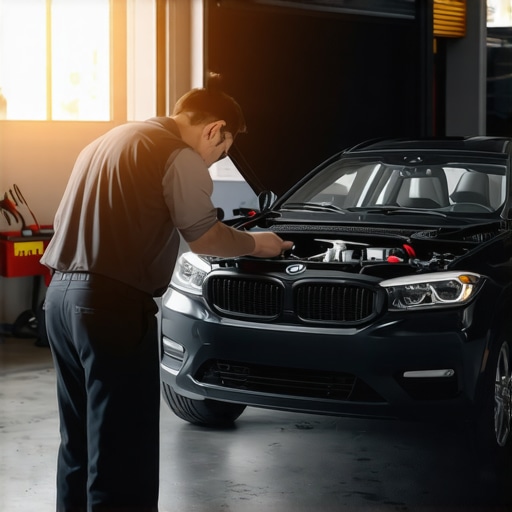
Ever had that sinking feeling when your trusty old car starts making strange noises or hesitating just as you’re about to leave for a crucial appointment? I remember one chilly morning, my car refused to start after sputtering and coughing the night before. The flash of dread made me ask, “Is this just a minor fix, or am I looking at a costly engine replacement?” That moment of doubt became a turning point in how I approach vehicle problems.
Decoding Your Car’s Signals: When to Service and When to Say Goodbye
Understanding whether your used car simply needs a quick tune-up or if it’s nearing the end of its lifespan isn’t a guessing game. It’s about reading the clues your vehicle gives you—strange sounds, warning lights, or performance hiccups—and knowing the right questions to ask. I promise, with a little know-how, you can avoid unnecessary expenses or the frustration of being stranded unexpectedly.
Will Following the Hype Get You the Best Deal?
Early on, I fell into the trap of trusting flashy repairs and ignoring subtle signs. A mistake that cost me a lot more in repairs down the line. Don’t make my mistake! Instead of jumping to conclusions, check out resources like troubleshooting guides that help identify common issues before visiting the shop. Recognizing signs early can save you hundreds—and maybe even prevent a breakdown on a busy highway.
So, why is this topic so vital? According to experts, about 70% of car owners delay essential maintenance, which often leads to more severe issues that could have been prevented with simple troubleshooting. Being proactive not only keeps your vehicle dependable but also extends its lifespan and maintains its value.
Now, let’s explore how to tell if your vehicle just needs a straightforward tune-up or if it’s time to face the tough truth: a new engine might be on the horizon. Ready to demystify your car’s signals and keep it running smoothly? Keep reading!
Perform a Basic Inspection
Start by popping the hood and visually examining your engine. Look for loose or disconnected hoses, belts with cracks, and any fluid leaks. Check the oil and coolant levels using the dipstick and radiator cap. Remember, a simple visual check can reveal glaring issues that might be causing performance problems. I once caught a loose radiator hose by just opening the hood and inspecting, saving myself a costly repair. If you notice anything unusual, document it and plan the next steps accordingly.
Listen and Feel for Clues
Activate the engine and pay attention to any abnormal sounds like knocking, squealing, or grinding. Notice if the steering feels heavy or if the brakes are unresponsive. These cues are your vehicle’s way of screaming for help. For example, I once felt a soft vibration when braking, which led me to inspect the brake system here. Matching sensations with symptoms helps narrow down the potential issues.
Use Troubleshooting Guides Effectively
Leverage online resources for specific symptoms. Search for your problem paired with your vehicle’s make and model. Websites like Troubleshooting Guides provide step-by-step advice. Remember, don’t just assume—you might find that your overheating is caused by a clogged radiator cap or a failing thermostat. Following a structured guide ensures you don’t overlook common culprits or jump straight into costly repairs.
Test Components Systematically
Identify and test one component at a time. For example, if your engine stutters, consider testing the spark plugs, fuel filter, and air filter systematically. Remove and inspect spark plugs for wear or fouling, then proceed to check the fuel filter for clogs. This methodical approach saves time and prevents unnecessary part replacements. I learned this by replacing the spark plugs in my car, which dramatically improved the running smoothness.
Perform Fluid Checks and Changes Regularly
Fluids are lifelines for your vehicle’s health. Check oil, transmission fluid, brake fluid, and coolant periodically, especially before long trips or after noticing issues. Dark or gritty brake fluid, for instance, can cause brake fade or spongy pedal feel. Regularly scheduled fluid changes boost performance and prevent damage. For more details on how to optimize your fluids, visit this guide.
Diagnose and Address Brake Problems Swiftly
Brakes are a safety priority. If you notice squealing, reduced stopping power, or a soft pedal, it’s time for a detailed brake inspection. Check the brake pads visually through the wheel rim using the “penny test” or inspect brake fluid levels. Sometimes,Brake service myths can mislead you, so consult reliable sources here. Prompt attention prevents costly rotor replacements and unsafe driving conditions.
Keep Your Car Clean and Well-Maintained
While it might seem superficial, cleanliness extends the lifespan of your vehicle. Regular washing prevents rust, especially in areas with snow or road salt. Waxing and applying protective coatings aren’t just cosmetic—they shield essential parts from corrosion. Use a comprehensive car service checklist like this resource to stay on top of routine maintenance tasks and avoid surprises.
Many car owners believe that all auto services are straightforward and universally applicable. However, a common misconception is that routine maintenance like brake services or tune-ups can be delayed indefinitely, which isn’t true. In reality, neglecting nuanced signs can lead to advanced problems that are more costly and complex to fix. For instance, some assume that squealing brakes always mean worn-out pads; but, often, the issue lies in brake fluid contamination or caliper malfunction, which requires a more detailed diagnosis here.
Investing in the Right Tools for Longevity
Maintaining your vehicle over the years requires more than just basic knowledge—it demands the right equipment and consistent practices. I personally swear by my digital multimeter, which helps me quickly identify electrical issues before they escalate. A quality scan tool, like the OBD-II scanner, is indispensable for reading error codes and pinpointing problems efficiently. These tools save me hours and hundreds of dollars in repairs by catching issues early and verifying fixes.
Routine Checks that Pay Off
Beyond specialized equipment, implementing a scheduled maintenance routine is crucial. Regularly inspecting and replacing fluids, testing brake components, and checking belts can prevent costly breakdowns. Personally, I follow a strict car service checklist to stay ahead of wear and tear. This proactive approach ensures my vehicle runs smoothly and minimizes unexpected expenses.
How do I maintain performance as my car ages?
Adapting your maintenance practices as your vehicle accumulates miles is vital. Upgrading to high-quality synthetic oils, such as those recommended in auto repair trends for 2025, can significantly reduce engine wear. Additionally, focusing on components like suspension and brakes, with regular brake system checks, helps maintain safety and comfort over time.
Utilize Diagnostic Tools and Software
Modern auto repair increasingly relies on sophisticated diagnostic software. Personally, I use specialized programs that interface with my scan tool, providing detailed system insights. These solutions help me interpret error codes correctly and determine whether a repair is urgent or can wait. For example, understanding the difference between a minor sensor glitch and a critical engine fault can prevent unnecessary repairs. Keep abreast of advancements with auto repair trends as technology progresses, ensuring your tools remain effective.
Plan for Long-Term Repairs and Upgrades
Anticipate major repairs by setting aside a budget and scheduling regular evaluations with professionals. I recommend reaching out to experienced technicians through contacting experts for comprehensive assessments. Upgrading suspension components or replacing worn-out belts early can extend your car’s lifespan and improve safety. Staying ahead of wear allows you to enjoy driving without sudden surprises or breakdowns.
Predict the Future of Auto Maintenance
Looking ahead, the trend toward electric vehicles and smart diagnostic systems suggests that maintaining vehicles will become more digital and less manual. Embracing these changes now by investing in the right tools and education prepares you for the future. Skilled DIY enthusiasts and professionals alike will benefit from advanced diagnostic software, remote monitoring, and predictive maintenance technologies.
Get Hands-On with These Tips
One actionable tip: upgrade your existing scan tool with a comprehensive code database to accurately interpret error messages. This small investment can save you hours of guesswork and lead to better maintenance decisions. I challenge you to try this advanced tip today—your vehicle’s long-term health will thank you!
What I Wish I’d Known Before Ignoring Warning Signs
One of the toughest lessons I learned was that some problems seem minor but are signs of bigger issues. For example, ignoring a slightly squeaky brake pad led to costly rotor replacements later. Paying attention to these signals can save you a lot of money and stress. Trust your instincts and don’t dismiss early warning signs—they’re often your car’s way of communicating that maintenance is overdue.
Gear Up With Tools That Make a Difference
Investing in a quality OBD-II scanner was a game-changer for me. It empowered me to interpret error codes like a pro and catch issues before they escalate. These tools aren’t just for mechanics—they’re vital for anyone serious about keeping their vehicle in top shape. Remember, the right diagnostic tools can bridge the gap between a small fix and a major repair, ensuring your car performs reliably for miles to come. You can find trusted options and learn more at this troubleshooting guide.
Connect Emotionally with Your Car and Its Longevity
Maintaining a vehicle isn’t just about mechanics—it’s about building a relationship. When I started treating my car with more care—regular washes, fluid checks, and prompt repairs—I felt proud and confident on the road. Your vehicle is an investment, and nurturing it with scheduled tune-ups and routine inspections enables you to enjoy safe, smooth rides for years. Embrace proactive maintenance, and your car will thank you with enduring performance.
How to Detect the Hidden Signs of Upcoming Failures
Sometimes, issues aren’t obvious—you might notice a slight smell, a vibration, or a change in handling. Learning to recognize these subtle cues can prevent breakdowns. For example, a faint smell of burnt rubber could point to worn belts or issues with the engine’s cooling system. Regularly inspecting your vehicle and consulting reliable resources, like this guide, equips you with the awareness needed to address problems early.