
Have you ever turned on your engine on a chilly morning, only to watch it struggle to reach that optimal temperature? Or maybe you’ve noticed sudden temperature swings and wondered if your thermostat is acting up? I remember the first time I faced a sudden overheating issue and realized I had no clue whether my thermostat was the culprit. It was a lightbulb moment that made me dig into simple, at-home testing techniques, saving me time and money on unnecessary repairs.
Why Testing Your Thermostat Matters Right Now
For many car owners, a malfunctioning thermostat can be a silent troublemaker. It controls the flow of coolant, ensuring your engine warms up quickly and runs efficiently. When it fails, the engine can overheat or stay cold, leading to increased fuel consumption, engine wear, or even costly breakdowns. Considering that regular cooling system maintenance can extend your engine’s lifespan and save you money, testing your thermostat is a crucial step in your car care routine. Plus, a quick test using simple household items—like a pot of boiling water—can give you peace of mind without rushing to the mechanic.
Is Testing Your Thermostat Actually Worth the Hype?
I admit, I was pretty skeptical when I first heard about testing a thermostat in boiling water. My early mistake was assuming that this DIY method could replace professional diagnostics. Turns out, I was partly right—done correctly, it’s a useful preliminary test. But I also learned that rushing into a DIY diagnosis without proper knowledge can lead to false positives or overlooked issues. According to automotive experts, having a basic understanding of your car’s cooling components helps you make informed decisions and avoid unnecessary replacements. It’s essential to approach this test as a diagnostic aid, not the final verdict.
If you’ve ever faced similar doubts or frustrations about your car’s cooling system, you’re not alone. Setting up a straightforward test can be a game changer, and I’ll walk you through every step. By the end, you’ll be able to determine whether your thermostat is holding up or needs replacing before hitting the road. Ready to dive into the hands-on part? Let’s get started with what you’ll need and how to do it safely and effectively.
Gather Your Tools and Prepare for Safety
Before you start, ensure your car engine is cool to avoid burns, and gather a reliable cooking thermometer and a sturdy pot or heat-resistant container. A kitchen pot will work perfectly because it can handle boiling water, mimicking the engine’s typical operating temperature. Wear gloves if necessary to protect your hands from hot surfaces, and work in a well-ventilated area. Remember, safety comes first—never attempt the test on a hot engine or in a confined space.
Set Up Your Boiling Water Test
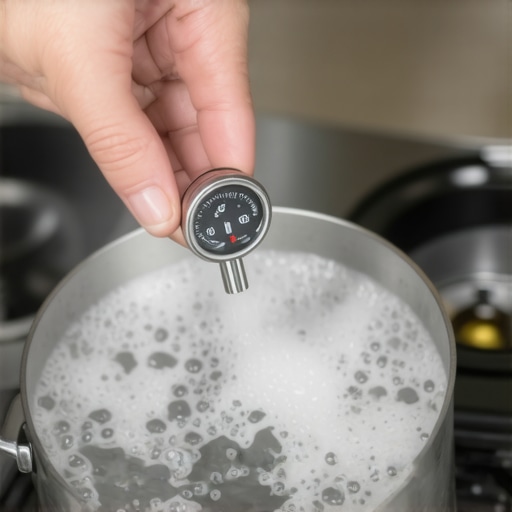
Pour water into your pot and place a cooking thermometer in the liquid, making sure the bulb is submerged but the stem isn’t touching the bottom directly. Bring the water to a rolling boil—this simulates the engine coolant reaching its maximum temperature. As the water heats up, you’ll observe the thermometer’s readings. During my own test, I once left the water to boil while I prepared my toolkit, but I forgot to monitor the thermometer—it quickly shot past boiling point because I was distracted, reminding me to stay attentive during the process.
Test the Thermostat’s Response
If your thermostat is functioning properly, it should start opening once the water reaches approximately 180°F (82°C). To simulate your engine’s cooling system, carefully remove the thermometer from the boiling water and quickly insert it into your car’s thermostat housing or a sample of the coolant (after removing a small amount safely). Watch how the thermostat reacts; if it opens and closes as the temperature crosses the threshold, it’s likely working correctly. If it remains stuck closed, the engine could overheat due to coolant flow blockage.
Perform a Visual Inspection
In my case, I noticed that the thermostat I examined had corrosion and debris blocking its valve, evident even before testing. This visual cue often correlates with poor performance and is a common reason for failure. Replacing a thermostat with signs of corrosion can restore proper coolant flow and prevent overheating episodes. Ensuring the thermostat’s housing isn’t cracked or leaking during inspection further secures engine safety, much like checking brake lines for leaks before a long trip.
Interpreting Your Results
Once you’ve completed the test, compare the thermostat’s opening point with your vehicle’s specifications, which you can find in your owner’s manual or online. If it opened too early or failed to open at all, it’s time to consider replacement. Remember, a thermostat that isn’t functioning properly can cause your engine to overheat or run cold, impacting fuel efficiency and engine longevity. For a comprehensive review of your vehicle’s systems, consult trusted resources like this car service checklist.
When to Seek Professional Help
If your DIY test indicates issues with your thermostat, or if you’re unsure about the results, visiting an experienced mechanic is wise. Especially if you’re unfamiliar with engine components, professionals can perform thorough diagnostics to confirm your findings and ensure no other cooling system parts are obstructing or failing. Regular tune-ups, as explained in this guide on tune-ups, often include thermostat checks that catch problems early.
Many vehicle owners enter the world of auto maintenance with some widely held beliefs that, in reality, can do more harm than good. For instance, a common misconception is that a full tune-up means replacing every part regardless of its condition. In truth, a targeted approach based on diagnostic data often yields better results and saves money. Additionally, there’s a myth that newer cars don’t need regular tune-ups—this is misleading, as modern vehicles still benefit from periodic maintenance to maintain optimal performance, as emphasized in this expert guide.
Invest in Quality Diagnostic Equipment
Personally, I rely on a professional-grade OBD-II scanner like the BlueDriver. Unlike generic code readers, it provides live data, detailed diagnostics, and compatibility with advanced engine parameters, which helps me pinpoint issues before they escalate. This tool allows temporary monitoring of sensor outputs and can alert you to pending problems related to cooling or brake systems, ensuring proactive maintenance. As trends point toward integrating smart diagnostics in vehicles, having a reliable scanner positions you ahead in the auto repair game.
Use Specialized Cleaning and Lubrication Products
For long-term performance, I recommend Gunk Engine Degreaser for periodic cleaning of components like your cooling system and brake calipers. Keeping these parts free from grime prevents premature wear and facilitates early detection of leaks or corrosion. Applying high-temperature brake lubricants, like Permatex Disc Brake Quiet, helps maintain the longevity of moving brake parts, reducing squeal and uneven wear. These targeted maintenance steps pay dividends as you extend the lifespan of critical systems.
Adopt a Routine Maintenance Schedule with Expert Insight
I follow a meticulous schedule, guided by resources like this essential maintenance guide. Regularly replacing coolant, checking brake fluid levels, and inspecting belts and hoses based on manufacturer recommendations ensures reliable performance. Modern vehicles often link sensor data with maintenance alerts—embracing this tech can help you schedule repairs before a problem becomes expensive. Consistency is key; setting reminders for periodic checks keeps your vehicle in top shape.
How do I keep my car’s systems in peak condition over time?
Maintaining your vehicle isn’t a one-and-done task but an ongoing process. Regularly servicing critical components—like your cooling and braking systems—prevents unexpected breakdowns and costly repairs. Invest in quality tools, keep a detailed maintenance log, and stay informed about the latest repair techniques. For example, monitoring your brake system’s warning signs, such as pulsation or squeal, and addressing them promptly can save you from dangerous failures. As technology advances, integrating diagnostic apps and professional input can further optimize your maintenance routine, keeping your car reliable for years to come.
Looking Ahead: The Future of Car Maintenance
As vehicle electronics become more sophisticated, the trend tilts toward smarter, self-diagnosing systems that alert owners of potential issues before symptoms appear. Bi-directional diagnostic tools and AI-driven maintenance schedules will become commonplace, making vehicle upkeep more efficient and less intrusive. Embracing these innovations now positions you to benefit from reduced downtime and extended engine life.
Overcoming my initial doubts about DIY thermostat testing was a turning point in my approach to car maintenance. I realized that a bit of knowledge and the right tools can empower you to catch issues early, saving time and money before problems escalate. From visual inspections to simple boiling water tests, these insights revealed that understanding your vehicle’s cooling system is not just for mechanics—it’s within every car owner’s reach and crucial for your vehicle’s longevity.
Lessons Learned from My Cooling System Journey
- Don’t overlook minor signs: Small leaks or corrosion often hint at larger issues lurking underneath. Regular visual checks can prevent unexpected breakdowns.
- Balance testing with observation: Combining a boiling water reaction test with real-world vehicle behavior gives a clearer picture of thermostat health.
- Quality tools matter: Investing in a reliable automotive thermometer or diagnostic scanner enhances both safety and accuracy, making DIY diagnostics more trustworthy.
- When in doubt, seek expert help: Know your limits. If DIY results point to potential failure, consulting a professional ensures your engine is in safe hands.
- Prevention is key: Regular maintenance and early testing contribute to smoother drives and longer engine life, emphasizing that proactive care beats reactive repairs every time.
Tools That Elevated My Vehicle Care Routine
- BlueDriver OBD-II Scanner: This professional-grade device provides comprehensive diagnostic insights, helping you understand more than just error codes.
- Gunk Engine Degreaser: Keeping cooling components and other engine parts free from grime helps identify leaks early and maintain efficiency.
- High-temperature Brake Lubricants: Protects moving parts in braking systems, preventing squeals and ensuring safety during your routine check-ups.
- Manufacturers’ Service Manuals and Reliable Websites: Resources like this car service checklist guide me on specifications and proper testing procedures, making DIY efforts more accurate and effective.
Keep Moving Forward with Confidence
Your car is more than just a machine; it’s a trusted companion on your journeys. Exploring simple testing methods and understanding your cooling system not only enhances your repair skills but also deepens your connection with your vehicle. Don’t shy away from learning more—each step you take elevates your ability to act swiftly, ensuring safety and reliability for years to come. Now’s the time to embrace this knowledge and keep your engine running smoothly, mile after mile.
What’s been your biggest breakthrough in DIY auto maintenance? Share your stories below and let’s learn together!
,