
I’ll never forget the crunchy feel of my brake pedal during a routine drive — suddenly, I felt a strange resistance, and a sinking suspicion grew that I was neglecting something vital. That moment was a wake-up call. Turns out, dark brake fluid can silently sabotage your safety and cost you big in repairs if left unchecked.
Why Checking Your Brake Fluid Color Matters More Than You Think
Many car owners overlook their brake fluid until a warning light flicks on or it’s too late. But did you know that dark, contaminated brake fluid is one of the leading causes of brake system failure? Regularly inspecting and maintaining your brake fluid isn’t just a chore; it’s a critical step in ensuring your safety on every drive. Over time, brake fluid absorbs moisture, which can lead to corrosion, brake fading, or even complete system breakdown.
When I first learned this, I realized I had been guilty of neglecting this simple yet essential task. Addressing this early can save you from costly repairs—and perhaps even prevent an accident. Modern vehicles are increasingly complex, and a trusted brake system repair strategy involves more than just the pads and rotors; ensuring your brake fluid is fresh can make all the difference.
Have You Faced Brake Warning Signs That Turn Out to Be Preventable?
I made a costly mistake early on by ignoring that dark brake fluid, thinking a top-up would suffice. But it wasn’t enough. Recognizing the signs of brake fluid degradation early can prevent headaches later. If you notice spongy brakes, squealing noises, or a sinking pedal, these could be signals that your brake fluid needs immediate attention.
Think about the last time you had your brake fluid checked. If it’s been more than two years or the color looks dark, it’s time to act. Why wait for a failure when a quick inspection or service could make all the difference? For straightforward, cost-effective advice, check out this guide on reliable brake service.
Now, let’s dive into the necessary steps to keep your brakes in top shape—because prevention beats repair, every single time.
Drain the Old Brake Fluid and Fill with Fresh Fluid
Start by safely elevating your vehicle using jack stands for easy access to the wheels and brake system. Locate the brake fluid reservoir under the hood, typically near the back of the engine bay. Using a turkey baster or a brake fluid syringe, carefully remove the old, dark brake fluid from the reservoir—think of it like replacing dirty oil in your engine. Dispose of the old fluid properly, following local hazardous waste procedures. Then, refill the reservoir with fresh, high-quality brake fluid matching your vehicle’s specifications—usually DOT 3, DOT 4, or DOT 5.1. This initial step helps flush out contaminants and prepares your system for a full bleed if needed.
Bleed the Brake Lines to Remove Contaminants
Next, you’ll want to bleed the brake lines—this process is akin to flushing a coffee maker. Attach a clear hose to the bleed screw on each wheel caliper or drum, with the other end submerged in a container of fresh brake fluid to prevent air ingress. Have a friend press the brake pedal slowly while you open the bleed screw; you’ll see dark fluid and air bubbles exit. Close the screw before the pedal is released to trap the pump of fresh fluid. Repeat this process on all wheels, ensuring continuous flow of clean fluid—this step removes moisture and particles that have been absorbed over time and ultimately improves braking performance.
Inspect Brake Fluid Color Regularly
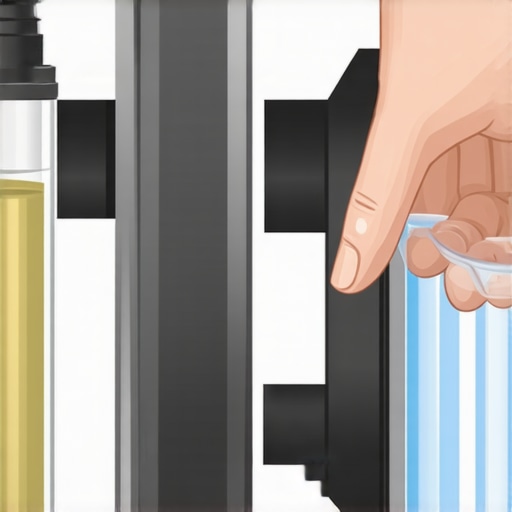
Make it a routine to check the color of your brake fluid monthly—think of it as checking your vehicle’s vital signs. Simply open the reservoir cap and observe the fluid’s hue through the translucent container. Fresh brake fluid is typically clear or pale yellow; if it appears dark, cloudy, or contains particles, it’s time to replace it. For a more accurate assessment, use a brake fluid tester device, which can measure moisture content inside the fluid—annoyingly similar to a diabetes test strip but made for your car. Regular inspection prevents costly repairs down the line, protecting your safety and your wallet.
Consider Professional Brake Service If Needed
If the process seems overwhelming or if you notice persistent issues like spongy brakes or brake fade, consulting a professional mechanic is wise. Expert brake service involves a complete system inspection, fluid exchange, and testing—comparable to a detailed health check-up from your doctor. Professionals also have specialized equipment for flushing and bleeding that ensures no air pockets remain, guaranteeing optimal braking response. Check out trusted auto repair strategies at this guide to understand when it’s time to leave the work to experts.
Maintaining the color and quality of your brake fluid isn’t just about keeping things looking good—it’s about ensuring your brakes respond precisely when you need them most. With these steps, you can proactively protect yourself and your loved ones on every journey, avoiding surprises caused by neglect and saving money in the long run.
Many auto owners operate under misconceptions that can lead to costly mistakes. One pervasive myth is that newer cars require less maintenance; in reality, technological complexity often demands specialized care to prevent advanced issues, particularly in critical systems like brakes and engines. Relying solely on repairs when problems become visible or audible—without understanding the underlying causes—can exacerbate minor issues into major failures. For instance, assuming that topping up brake fluid is sufficient neglects the importance of proper flushing and system diagnosis, which can prevent brake fade or failure.
Why do some advanced repair techniques outperform basic fixes, and how can understanding these nuances save you money in the long run?
Experts like those at Glass Fix Auto emphasize that embracing thorough diagnostics—beyond surface-level fixes—ensures reliable and lasting repairs. Skipping meticulous procedures like complete system flushing or using inferior replacement parts might save a few dollars upfront but often leads to recurring problems. An often-overlooked mistake is neglecting routine inspections that can identify corrosion, leaks, or worn components before they cause breakdowns. It’s a trap many fall into, underestimating the value of proactive maintenance. Remember, a comprehensive approach to auto care, including expert tune-ups and timely brake service, is a key to vehicle longevity. Having a clear picture of what actually works—not just what sounds easier—empowers you to make smarter decisions. So, next time you hear that you can ignore certain maintenance tasks, ask yourself: are you risking higher costs down the road? For detailed strategies, see reliable brake services and explore how preventive care truly pays off. Are you guilty of any misconceptions? Let me know in the comments and share your experiences.
Tools That Make Auto Maintenance Easier and More Precise
Investing in the right tools is crucial for anyone serious about maintaining their vehicle, especially when it comes to ensuring your brakes, engine, and overall systems stay in top shape. Personally, I rely on a high-quality digital multimeter to monitor electrical components accurately. It helps me diagnose battery issues or faulty sensors without guesswork, saving time and money. Additionally, a good torque wrench ensures that fasteners like wheel lug nuts and the suspension components are tightened to manufacturer specifications, preventing future failures. For brake services, a dedicated brake caliper piston tool allows for proper reinstallation of calipers after pad replacement, ensuring optimal contact and braking power. Combining these tools with regular maintenance routines dramatically extends your vehicle’s lifespan.
Why Regular Maintenance Pays Off in the Long Run
Consistent check-ups and using proper tools to perform tasks like fluid replenishment or belt replacements prevent minor issues from escalating into costly repairs. For example, regularly inspecting and replenishing oil with a quality funnel and a good oil filter wrench simplifies the process and reduces mess. When it comes to tuning up your engine, a dedicated spark plug socket and a compression tester can help you understand engine health at a granular level. Looking ahead, advancements in diagnostics—such as OBD-II scan tools—are becoming more affordable, offering real-time data that can preempt breakdowns before warning lights even activate. Staying proactive with these tools invests in your safety and your vehicle’s performance long-term.
How Do I Keep My Car Running Smoothly Over Time?
Implementing a scheduled maintenance plan is vital. Follow your vehicle’s manual and set reminders for oil changes, filter replacements, and system flushes. Using software like auto maintenance apps can help track service intervals and diagnostics. Incorporating routine inspections of brake fluid, belts, and hoses with a flashlight and mirror makes it easier to spot potential issues early. By integrating these practices and tools into your routine, you effectively reduce the likelihood of sudden breakdowns and costly repairs. Looking forward, the trend points toward autonomous and remote diagnostics—installing sensors and IoT-connected maintenance systems that alert you or your mechanic before minor problems turn critical. Embracing these technologies now can streamline your car care, ensuring reliability and safety for years to come.
Try setting up a monthly inspection checklist using a simple flashlight, mirror, and your vehicle’s manual to identify early signs of wear and tear. Taking these proactive steps with the right tools will keep your vehicle dependable and save you money in the long run. For expert tips on maximizing your maintenance efforts, explore this comprehensive guide.
What I Wish I Knew Before Ignoring Brake Fluid Signs
One of the most eye-opening lessons I learned was that dark brake fluid isn’t just a cosmetic issue—it’s a silent warning sign of deeper problems that can compromise safety. Trusting superficial checks or delaying maintenance can lead to costly repairs or dangerous brake failures. The crucial insight came when I realized that proactive inspection and timely fluid replacement could prevent disasters, saving both money and lives.
Tools and Resources That Transformed My Auto Care Routine
Over time, I discovered invaluable tools like a reliable brake fluid tester, which accurately gauges moisture content—an invisible threat to brake efficacy. Additionally, a quality torque wrench ensures precise tightening during repairs, preventing future leaks. I also leaned on trusted guides such as this comprehensive brake service resource, which provides step-by-step instructions that anyone can follow to maintain their brakes effectively.
A Call to Action for Safer Driving Starts Today
Remember, your vehicle’s brakes are its last line of defense—don’t wait for warning lights or strange noises to act. Regularly checking your brake fluid color, using proper tools, and consulting professionals when needed can keep you safe on every journey. Embrace these practices now, and turn maintenance into a habit that protects your loved ones and your wallet. Are you ready to take control of your auto safety and ensure your brakes perform when it counts most? Share your experiences or questions below—let’s keep each other safe on the road!